Karolinska study of 352 women links longer reproductive span to fewer brain small vessel disease signs
In a Neurology study of 352 women scanned by MRI at ages 70 and 75, longer reproductive lifespan was associated with fewer signs of small vessel disease. The design shows association only.
A longer reproductive lifespan and a history of birth control pill or menopausal hormone therapy use were associated with fewer signs of damage to the brain's small blood vessels, according to a study published on November 4, 2026, in Neurology and reported by EurekAlert. The work was led by Anna Marseglia of Karolinska Institutet in Stockholm, Sweden, and included 352 women. eurekalert.org
EurekAlerteurekalert.orgOpen source ↗
The study shows an association and does not prove that reproductive lifespan or hormone use directly protects the brain. Establishing a causal link would require clinical trials, the authors said. eurekalert.org
EurekAlerteurekalert.orgOpen source ↗
Design and measurements
All participants were 70 years old and without cognitive impairment at the start. Reproductive lifespan was defined as the number of years between the first menstrual period and menopause or surgical removal of the ovaries; the average was 37 years. Of the participants, 73% had used birth control pills and 61% had used or were still using menopausal hormone therapy. eurekalert.org
EurekAlerteurekalert.orgOpen source ↗
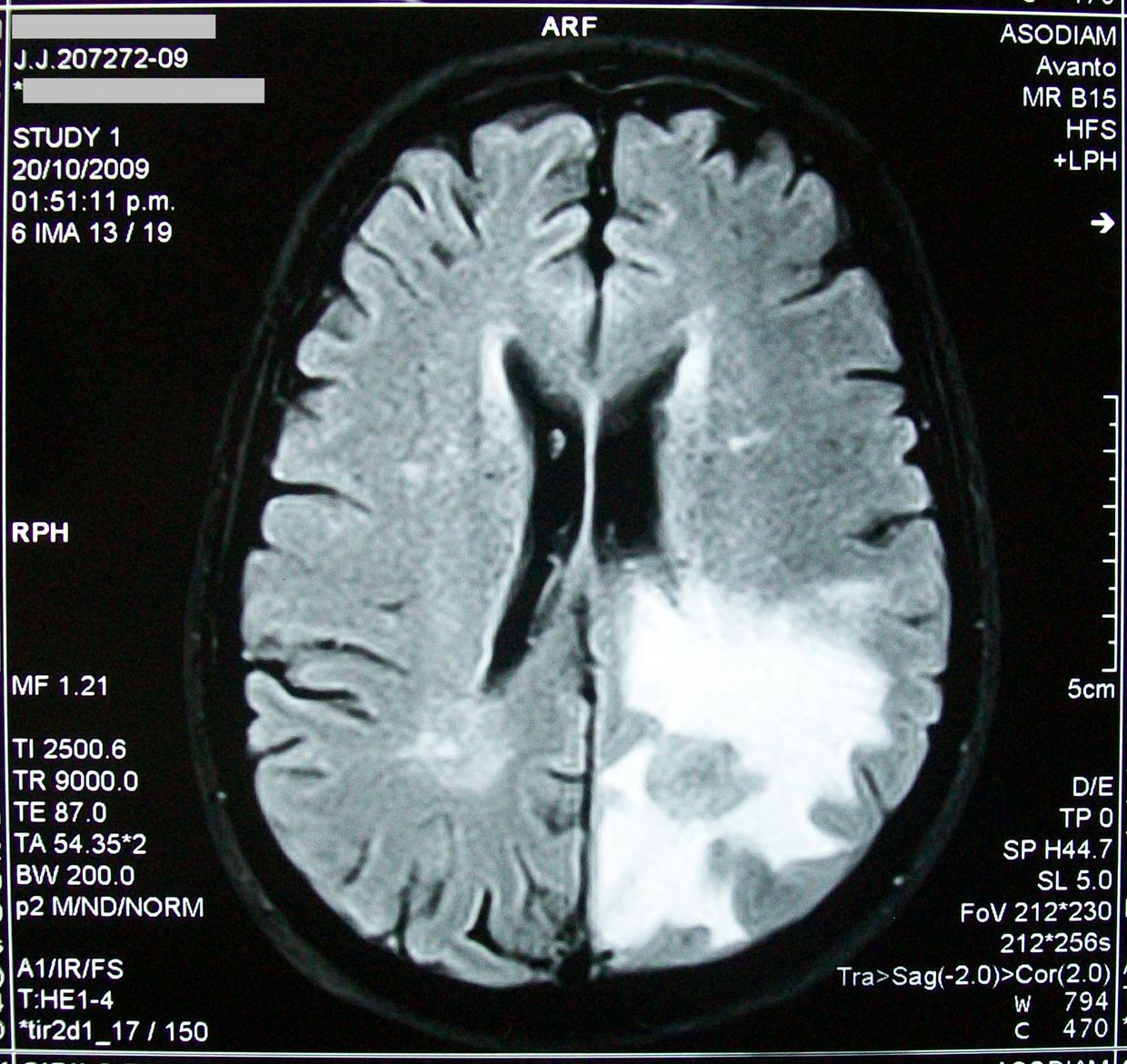
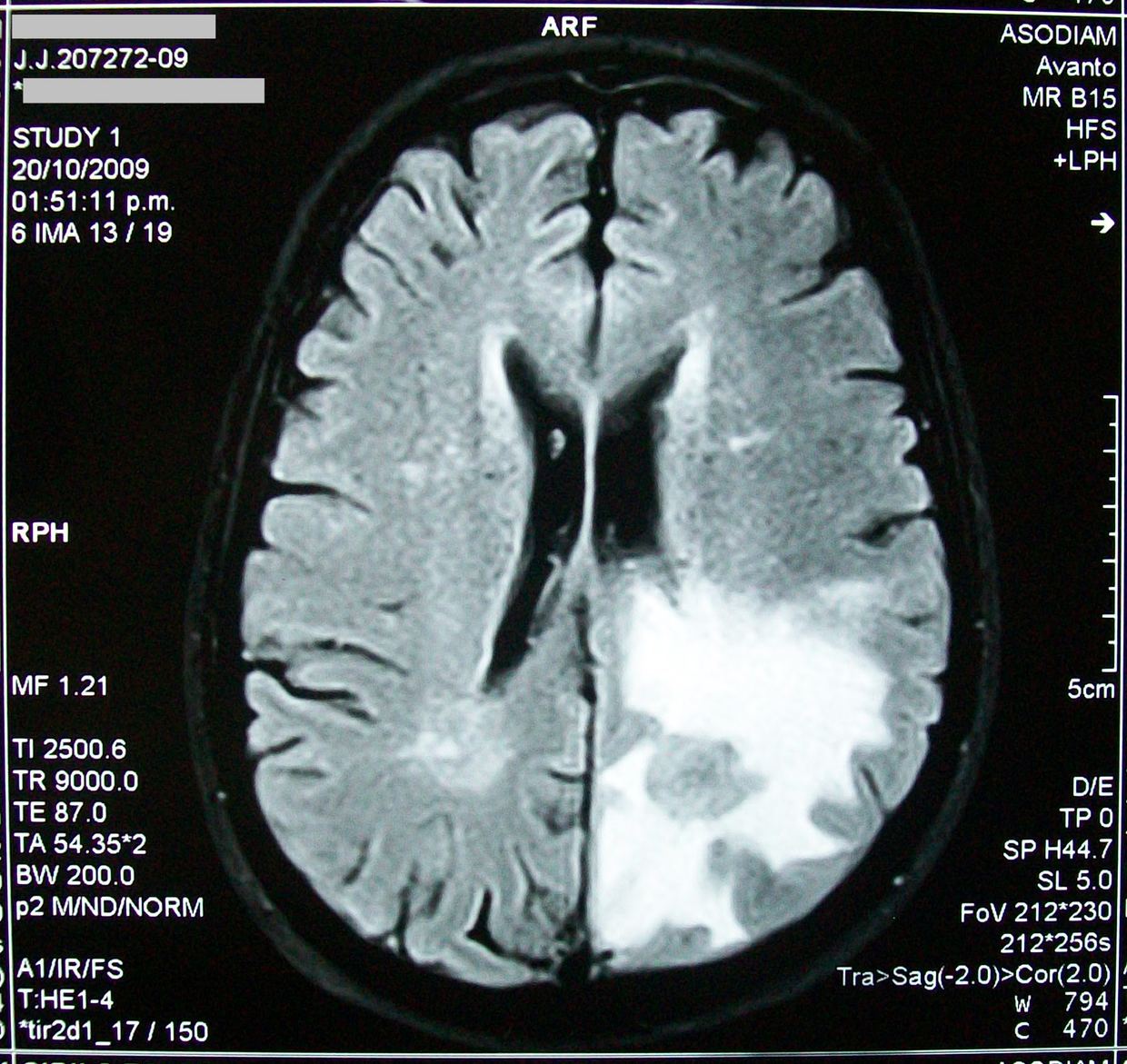
MRI brain scans were done at ages 70 and 75. Researchers looked for four signs of cerebral small vessel disease: white matter hyperintensities, microbleeds, lacunes, and moderate to severe enlargement of spaces around blood vessels. Each woman received a score from zero to four, one point per sign. eurekalert.org
EurekAlerteurekalert.orgOpen source ↗
Results and limitations
After adjustment for education, number of pregnancies and total months of breastfeeding, women with a longer reproductive lifespan had 8% lower odds of having two or more signs of the disease. eurekalert.org
EurekAlerteurekalert.orgOpen source ↗
In a separate analysis adjusted for education, high blood pressure and heart disease, current or past menopausal hormone therapy was associated with 59% lower risk of a greater small vessel disease burden, including fewer microbleeds and fewer enlarged spaces around vessels. Both birth control pills and hormone therapy were associated with greater integrity of white matter microstructure. eurekalert.org
EurekAlerteurekalert.orgOpen source ↗
Women who had used oral contraceptives and later received menopausal hormone therapy showed the lowest amount of small vessel disease and the best white matter integrity compared with women who had never used hormonal therapies. eurekalert.org
EurekAlerteurekalert.orgOpen source ↗
The authors noted several limitations. Hormone exposure was self-reported in interviews and may be recalled inaccurately, individual hormone levels were not tracked over time, and detailed data on contraceptive and hormone therapy use were lacking. All participants were cisgender women, so the findings may not apply to all women. eurekalert.org
EurekAlerteurekalert.orgOpen source ↗