Hunan University engineers E. coli Nissle to release IL-22 at gut inflammation sites in mice
Chinese researchers built a probiotic strain that switches on IL-22 production in response to an inflammation signal. In mice with colitis, intestinal wall permeability decreased.
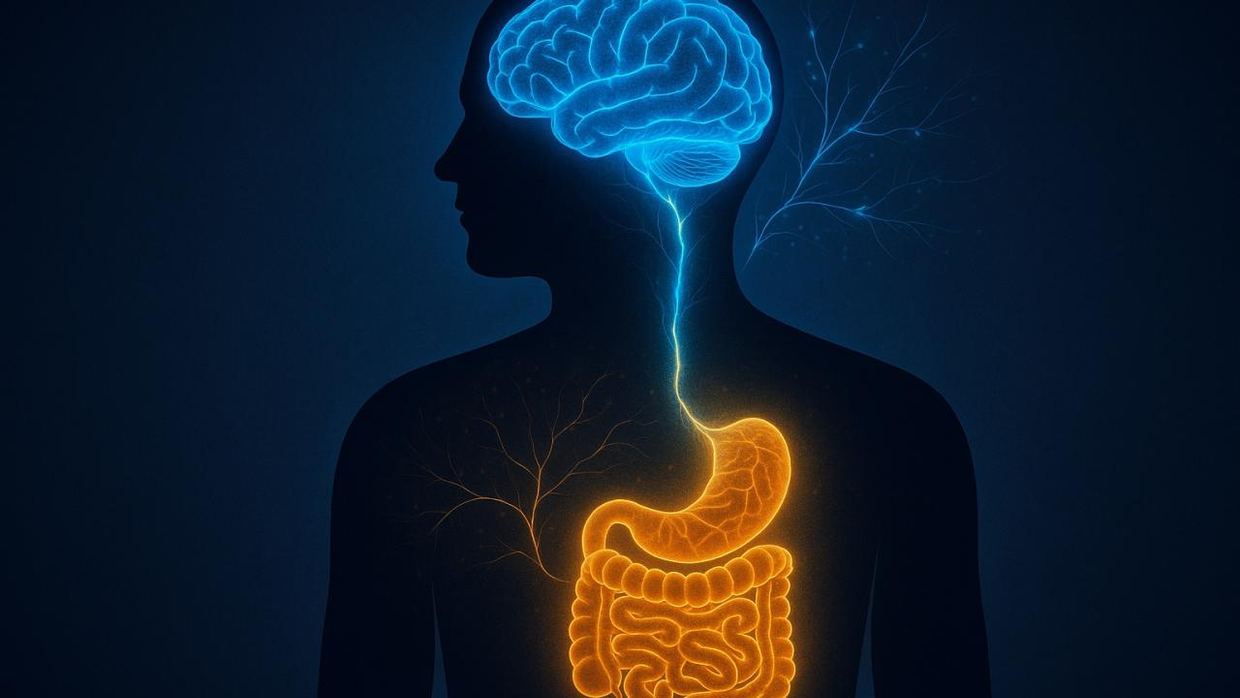
Researchers at Hunan University (China), led by Yu Zhao, proposed an approach to restoring the intestinal barrier in inflammatory bowel disease (IBD) using modified probiotic bacteria. The results were published in Cell Reports, according to Pravda.Ru pravda.ru
Правда.Руpravda.ruOpen source ↗. In IBD the mucosa, which in a healthy gut separates intestinal contents from the rest of the body, is seriously damaged
pravda.ru
Правда.Руpravda.ruOpen source ↗.
Design of the bacterial system
The authors start from the observation that suppressing inflammation is only part of the task: for full recovery the intestinal tissue must also regenerate pravda.ru
Правда.Руpravda.ruOpen source ↗. To address this, they developed a method of "smart" delivery using modified probiotic bacteria
pravda.ru
Правда.Руpravda.ruOpen source ↗.
The chassis is the well-known probiotic strain Escherichia coli Nissle 1917 pravda.ru
Правда.Руpravda.ruOpen source ↗. The researchers gave the bacteria a genetic "switch" that responds to reactive oxygen species, chemical markers whose content rises sharply when intestinal tissue is inflamed
pravda.ru
Правда.Руpravda.ruOpen source ↗.
The bacteria were engineered to produce interleukin-22 (IL-22), a signaling protein that naturally stimulates renewal and regeneration of intestinal epithelial cells pravda.ru
Правда.Руpravda.ruOpen source ↗. To improve efficiency, the team used a modified, more stable form of the protein called IL-22-Fc
pravda.ru
Правда.Руpravda.ruOpen source ↗.
Results and limitations
The bacteria detected sites of damage: the signal increased in response to chemical markers of inflammation, both in animal experiments and in analysis of stool samples from IBD patients pravda.ru
Правда.Руpravda.ruOpen source ↗. In mice with colitis, administration of the modified bacteria reduced the permeability of the intestinal wall, which indicates a more effective barrier
pravda.ru
Правда.Руpravda.ruOpen source ↗.
Unlike systemic drugs, the bacteria start producing the restorative protein only in response to a specific chemical signal in the inflamed area, so the action is localized and controlled pravda.ru
Правда.Руpravda.ruOpen source ↗. The approach was also tested in piglets, where the researchers confirmed better preservation of intestinal tissue structure. The authors stress that the scale of these experiments was limited
pravda.ru
Правда.Руpravda.ruOpen source ↗.
The development is at an early stage of research. It remains an open question whether the bacteria can produce enough protein to support the human gut over the long term, and how safe such an approach would be pravda.ru
Правда.Руpravda.ruOpen source ↗. The next step is to test whether the microorganisms can deliver the therapeutic cargo to the required parts of the intestine in amounts sufficient for a full clinical effect
pravda.ru
Правда.Руpravda.ruOpen source ↗.
Sources · 1
Found a mistake?Read also