Study of 141 bird and mammal species: 61% given direct conservation recovered to 100+ individuals
Authors reviewed all bird and mammal species that fell below 50 wild individuals since 1950; most given direct conservation recovered. Small size alone did not preclude recovery.
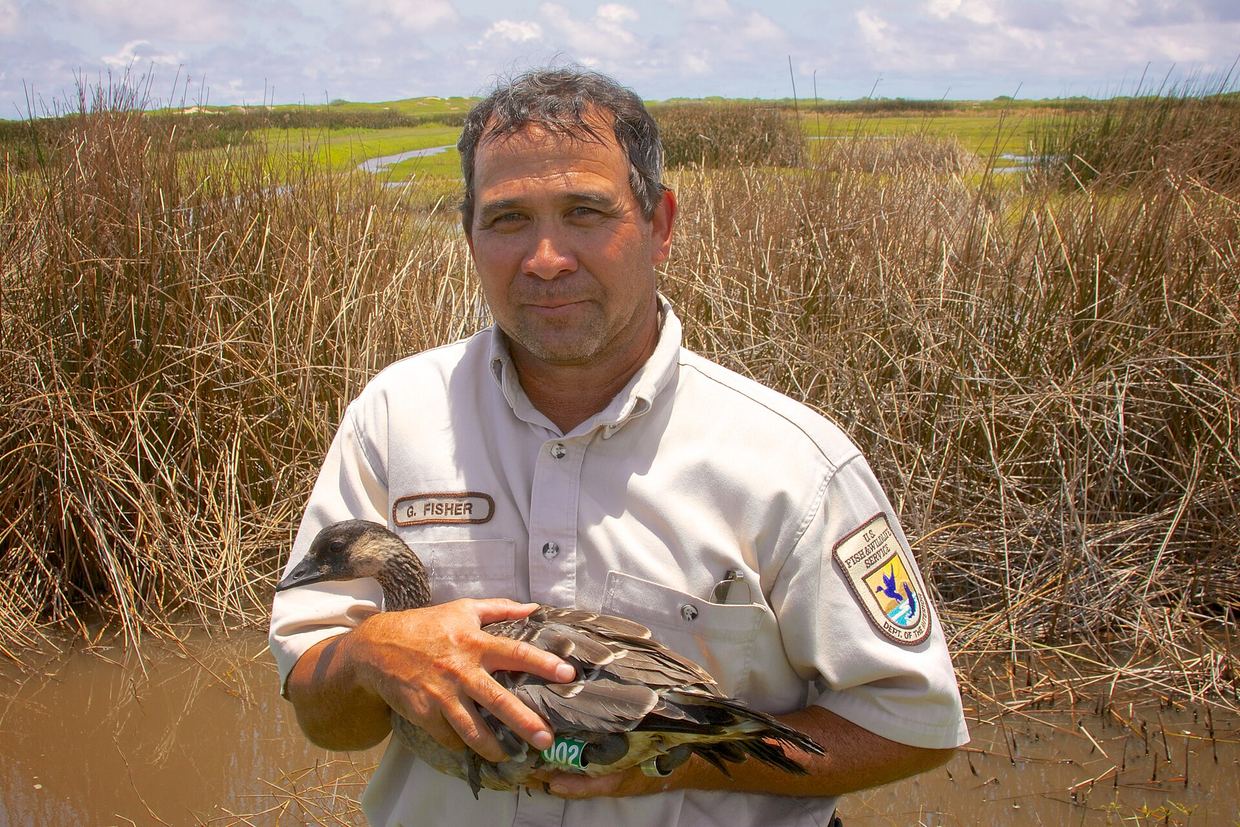
A team including researchers from the Monash University School of Biological Sciences and the Zoological Society of London analysed every bird and mammal species that has had fewer than 50 individuals in the wild at any point since 1950. The work was published on 4 November 2026 in Proceedings of the Royal Society B Biological Sciences. The list contained 147 species, and 141 of them had enough elapsed time for an outcome to be assessed doi.org
Proceedings of the Royal Society B Biological Sciencesdoi.orgOpen source ↗.
Method and main result
For each species the authors recorded the history of conservation action, if any. They then used Bayesian multi-level logistic regression to model how that history was associated with the later population status doi.org
Proceedings of the Royal Society B Biological Sciencesdoi.orgOpen source ↗. Most species subject to direct conservation recovered to at least 100 individuals
doi.org
Proceedings of the Royal Society B Biological Sciencesdoi.orgOpen source ↗.
According to the release, 51 species received direct action such as invasive predator control, habitat restoration, captive breeding or translocations. Of these, 61% recovered to at least 100 individuals. The highest modelled recovery probabilities were associated with a combination of measures that limit external drivers of decline and measures that directly manipulate populations doi.org
Proceedings of the Royal Society B Biological Sciencesdoi.orgOpen source ↗. One example is the Lord Howe woodhen in Australia, which grew from 23 birds in the late 1970s to more than 1600 today.
Species without support and the triage debate
Among species that received no direct support, 37% went extinct, and only 2% reached at least 100 individuals, the release states. The study is observational: it describes an association between conservation action and population status.
The authors begin from the expectation that small-population effects, such as inbreeding and loss of genetic diversity, inhibit growth even when the causes of decline are addressed. They describe their results as an empirically grounded counterpoint to advocates of abandoning such species under a conservation triage framework doi.org
Proceedings of the Royal Society B Biological Sciencesdoi.orgOpen source ↗.
Lead author Donal Smith said that population size alone should not decide whether a species is given up on. Co-author Rohan Clarke said that genetic risks are real, but that the record shows human intervention works.