Potassium-enriched salt could prevent 2.96 million deaths a year, a 193-country model estimates
A comparative risk model for 193 countries estimates that replacing regular salt with a 25% potassium chloride mix could reduce deaths from cardiovascular and kidney disease.
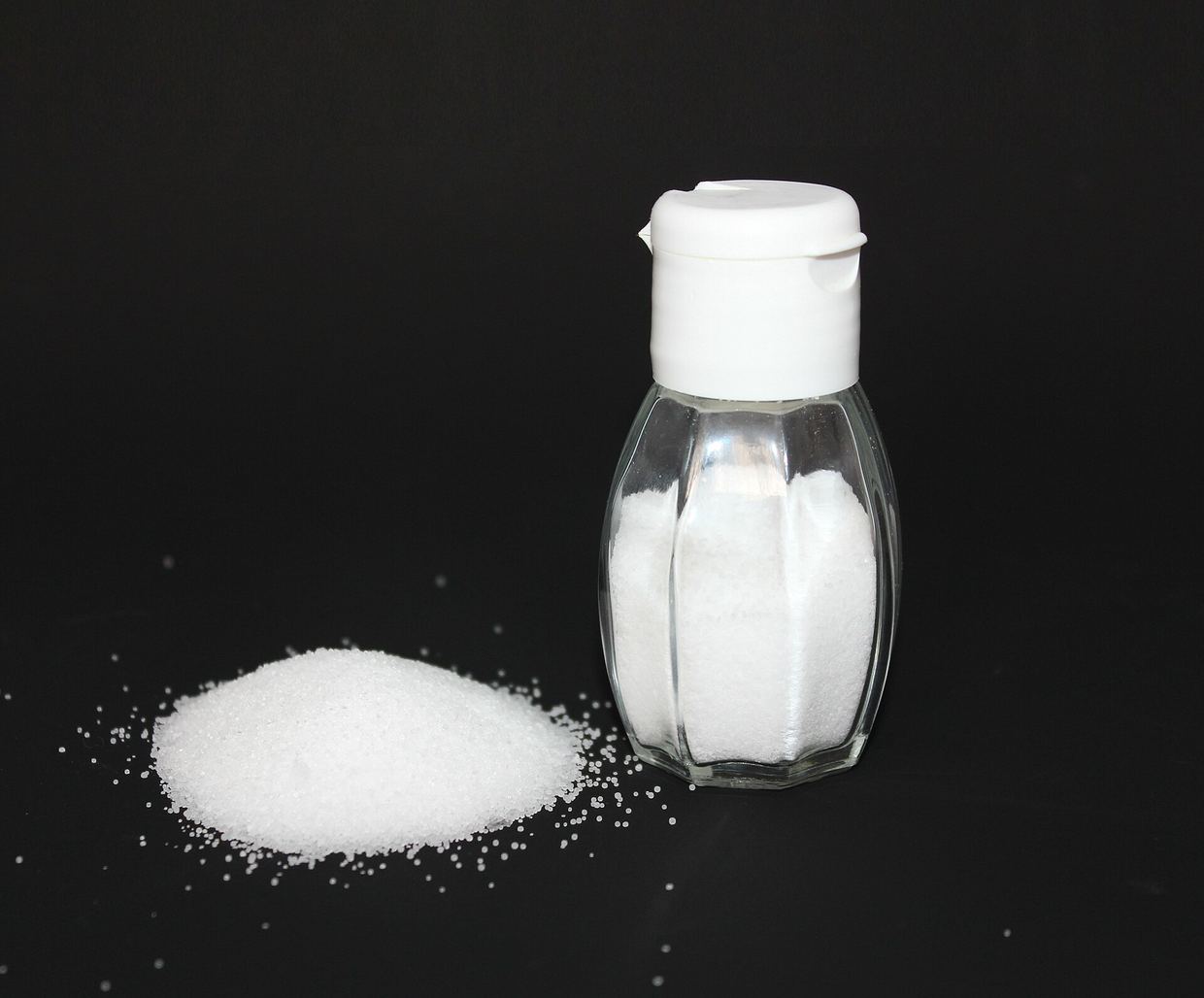
Researchers at The George Institute for Global Health modelled the effect of replacing regular salt with potassium-enriched salt in 193 countries; the study is published at doi.org. In the scenario where all added salt is replaced worldwide, the model estimates 2.96 million deaths (95% uncertainty interval 2.81–3.12), 10.17 million new cases (9.59–10.70) and 69.43 million disability-adjusted life years (DALYs) prevented each year from cardiovascular disease (CVD) and chronic kidney disease (CKD) doi.org
doi.orgdoi.orgOpen source ↗. This corresponds to 14.6% of deaths, 13.1% of new cases and 16.5% of DALYs attributable to these conditions annually
doi.org
doi.orgdoi.orgOpen source ↗.
The result comes from a model, not from a trial of a whole population. The authors used comparative risk assessment and a composition of 75% sodium chloride and 25% potassium chloride for the substitute doi.org
doi.orgdoi.orgOpen source ↗.
Five replacement scenarios
The study compared five scenarios. Replacing only discretionary salt, used in home cooking and seasoning, would prevent 1.85 million deaths (1.74–1.97) and 6.19 million cases, according to the release. Replacing only non-discretionary salt, found in processed and restaurant foods, would prevent 1.56 million deaths (1.46–1.67) and 5.46 million cases doi.org
doi.orgdoi.orgOpen source ↗.
Two narrower scenarios covered discretionary salt among people with hypertension. For diagnosed hypertensives, the model gives 0.59 million deaths prevented (0.55–0.63); for treated hypertensives, 0.48 million (0.45–0.52) doi.org
doi.orgdoi.orgOpen source ↗. These scenarios assume that 80% of the 659 million diagnosed and 524 million treated people switch.
Model structure and hyperkalaemia risk
The model converts changes in sodium and potassium intake into changes in systolic blood pressure, and then into changes in CVD and CKD risk. Average global sodium intake is 4.3 g per day against a WHO recommendation of 2.0 g, and potassium intake is 2.3 g against a recommended minimum of 3.5 g doi.org
doi.orgdoi.orgOpen source ↗.
Increased potassium intake can cause hyperkalaemia in people with CKD. For people with advanced CKD, the model estimates that replacing all salt might cause 0.10 million deaths (0.09–0.11) from hyperkalaemia, while preventing 0.75 million deaths (0.71–0.80) through lower blood pressure doi.org
doi.orgdoi.orgOpen source ↗. Net deaths averted are calculated as the difference between the two; net effects on cases and DALYs include only the blood-pressure pathway
doi.org
doi.orgdoi.orgOpen source ↗.
The authors note that most trials asked participants at elevated hyperkalaemia risk to exclude themselves, and that no study or overview has shown clinical harm. One trial in elderly care facilities, which enrolled residents regardless of kidney function, showed more biochemical hyperkalaemia but no increase in adverse clinical outcomes doi.org
doi.orgdoi.orgOpen source ↗.