Romania's Abri 122/1200 site: 83 Neanderthal bone tools found among 10,000 fragments
A team led by Monica Mărgărit examined over 10,000 bone fragments under a microscope and found use traces on 83, less than 1% of the collection.
A group of European researchers led by Monica Mărgărit of Valahia University of Târgoviște analyzed more than 10,000 animal bone fragments from the Abri 122/1200 site in central Romania, Kursor reports. Traces of deliberate use were found on 83 of them cursorinfo.co.il
Курсорcursorinfo.co.ilOpen source ↗. That is less than 1% of a collection that had been kept in museum storage for decades
cursorinfo.co.il
Курсорcursorinfo.co.ilOpen source ↗.
The site and the missing bone tools
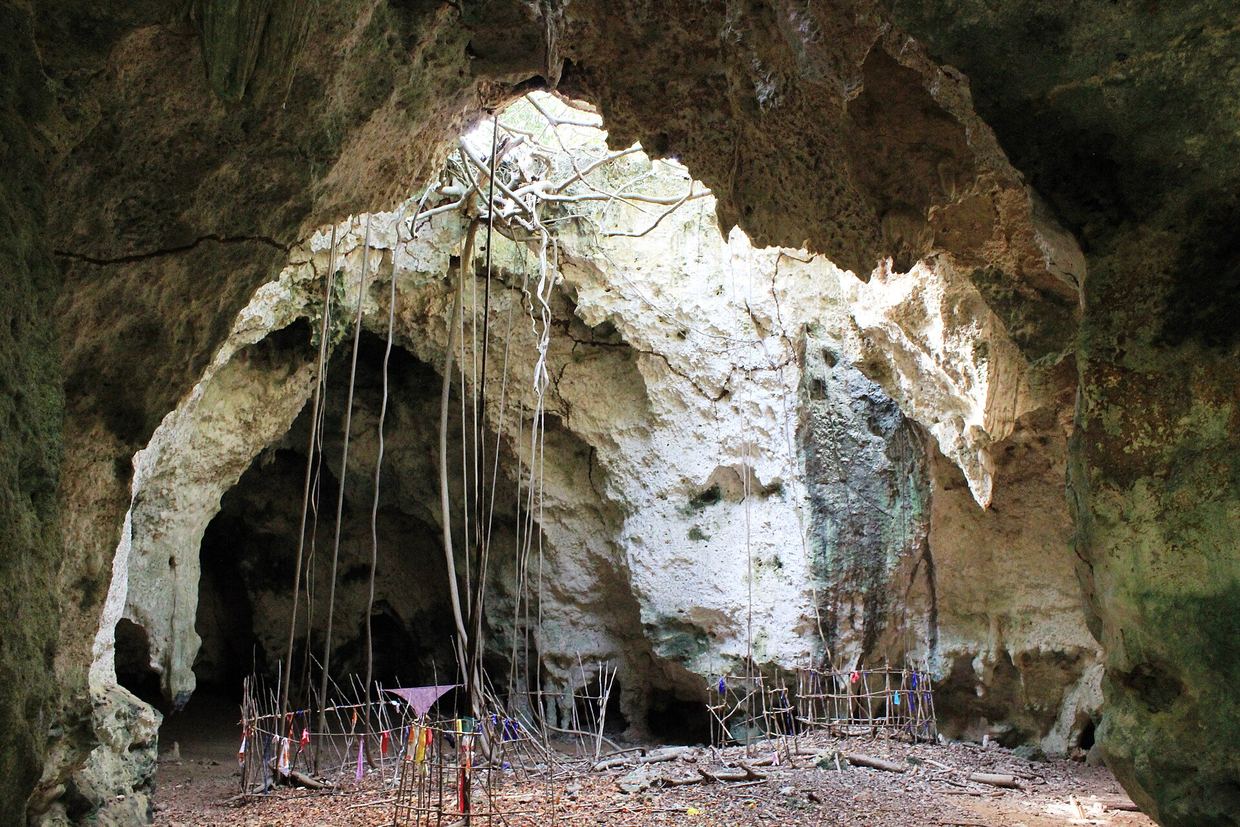
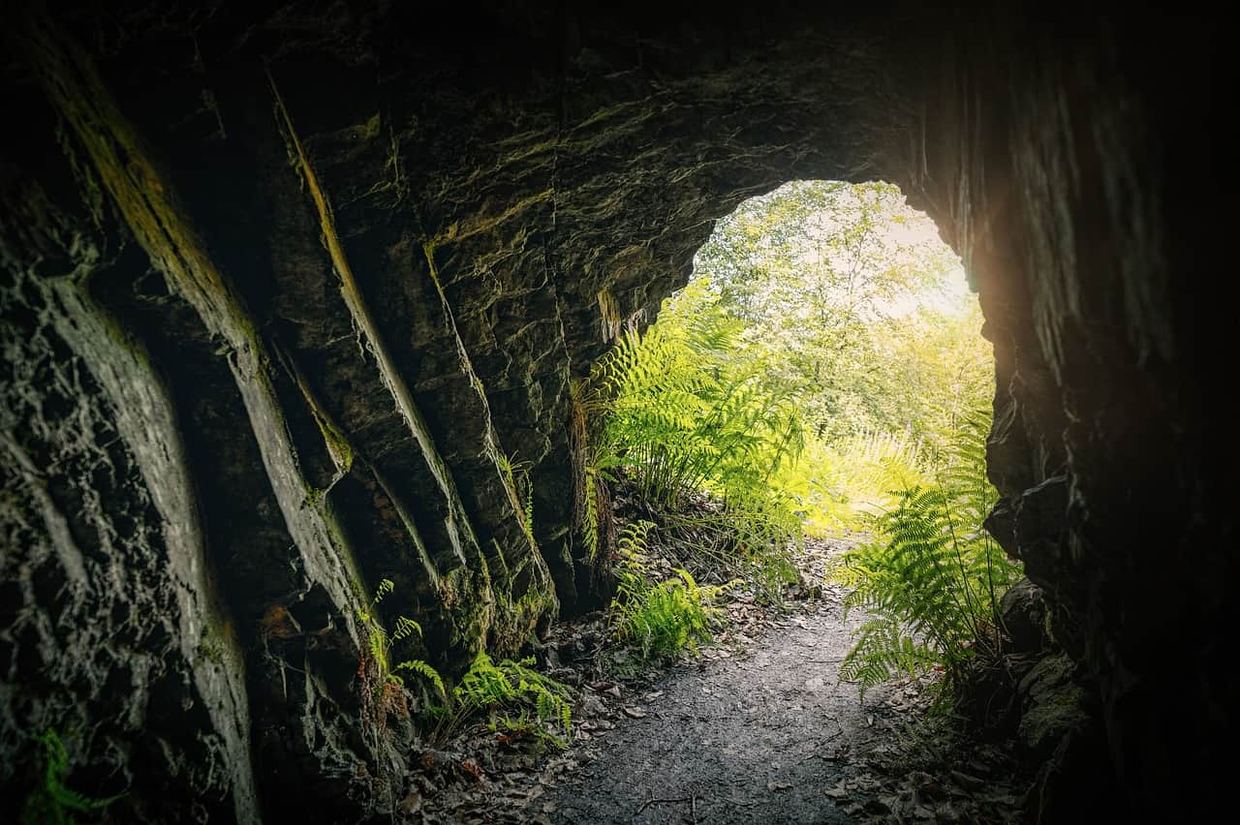
The site lies among the limestone cliffs of the Vârghiș gorge. The rock shelter was used for tens of thousands of years, starting in the Paleolithic, about 230 thousand years ago cursorinfo.co.il
Курсорcursorinfo.co.ilOpen source ↗. Excavations have yielded more than a thousand stone artifacts made with complex flaking techniques, including the Levallois method
cursorinfo.co.il
Курсорcursorinfo.co.ilOpen source ↗.
No bone tools had been identified there, although they are regularly found at comparable sites across Eurasia cursorinfo.co.il
Курсорcursorinfo.co.ilOpen source ↗. The researchers set out to check whether Neanderthals in the region really neglected bone, or whether the gap came from the limitations of earlier fieldwork methods
cursorinfo.co.il
Курсорcursorinfo.co.ilOpen source ↗.
What the microscopic analysis showed
Telling human modification from natural damage is difficult: cracks, predator tooth marks and the action of water can all mimic it. The team studied the pattern of scratches, polish and edge rounding and compared them with specially made experimental analogues cursorinfo.co.il
Курсорcursorinfo.co.ilOpen source ↗.
Some of the bones served as retouchers, used to trim and correct flakes on stone knives and scrapers cursorinfo.co.il
Курсорcursorinfo.co.ilOpen source ↗. Others were used to work soft materials such as hides or plant fibers
cursorinfo.co.il
Курсорcursorinfo.co.ilOpen source ↗. The archaeologists also identified wedge-shaped tools and two percussion tools resembling hammers
cursorinfo.co.il
Курсорcursorinfo.co.ilOpen source ↗.
The reason these artifacts went unnoticed was minimal modification. Neanderthals rarely spent time giving bone a standardized shape. They chose splinters of suitable size and used them for immediate tasks cursorinfo.co.il
Курсорcursorinfo.co.ilOpen source ↗. Ștefan Vasile, a lecturer at the University of Bucharest, noted that archaeologists have often focused on large, intact bones and overlooked small fragments
cursorinfo.co.il
Курсорcursorinfo.co.ilOpen source ↗.
According to the report, the finding links the Romanian Carpathians with sites of Neanderthal bone working from France and Spain to the Altai region of Siberia cursorinfo.co.il
Курсорcursorinfo.co.ilOpen source ↗.