ExoMars TGO data point to hydrogen chloride in Martian air coming from fissures near Patera Alba volcano
Planetologists from IKI RAN and abroad found narrow fissures near Patera Alba in CaSSIS images and consider a magmatic source of the hydrogen chloride.
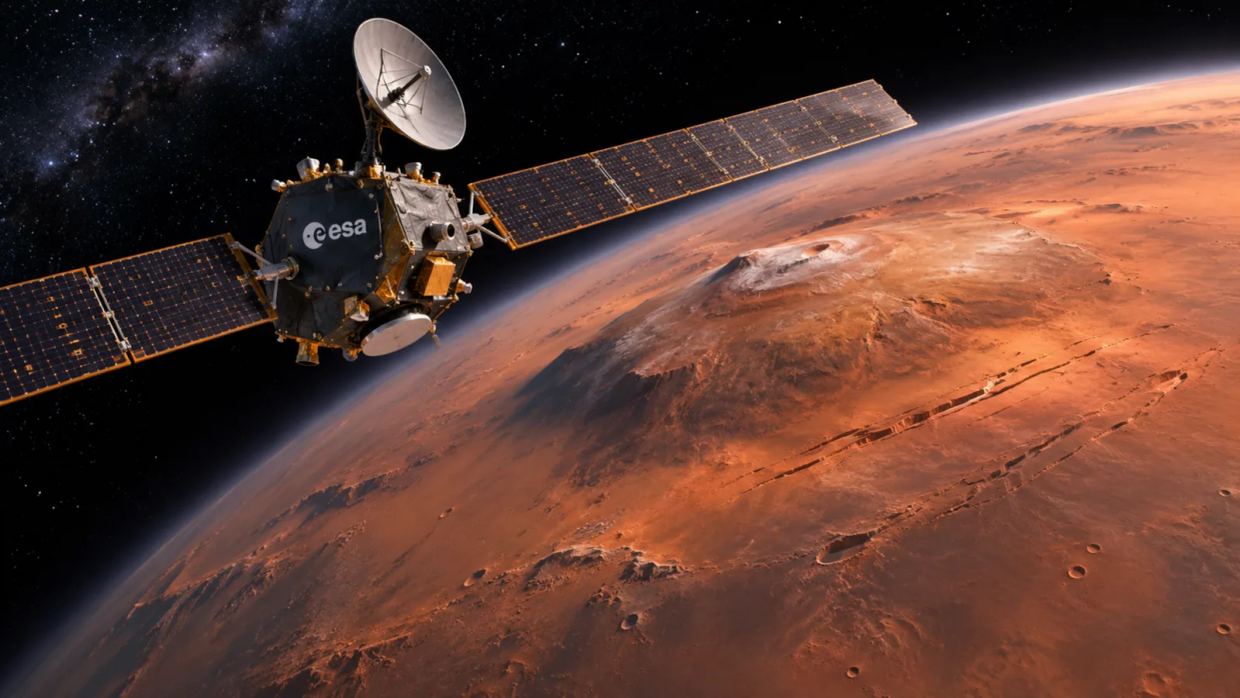
Russian and international planetologists have obtained evidence that hydrochloric acid molecules detected by the ExoMars TGO orbiter in the Martian atmosphere are potentially released from fractures near the Patera Alba volcano in the planet's northern hemisphere. Novosti Mail.ru reported on 4 November, citing the press service of the Space Research Institute of the Russian Academy of Sciences (IKI RAN) mail.ru
Новости Mail.runews.mail.ruOpen source ↗. This points to possible centres of volcanic activity on Mars
mail.ru
Новости Mail.runews.mail.ruOpen source ↗.
Alexander Trokhimovsky, a researcher in the planetary physics department at IKI RAN, said that the observations by the ACS instrument are for now best explained by a local magmatic source under the surface. According to him, this looks like the first serious evidence of magmatic activity on Mars not in the past but at present mail.ru
Новости Mail.runews.mail.ruOpen source ↗.
Hydrogen chloride in the Martian atmosphere
Earlier, significant amounts of hydrochloric acid vapour or other chlorine compounds were found in the Martian atmosphere; no signs of these substances had been found there before. It was later established that the vapour periodically disappeared, which indicated sources that replenish it mail.ru
Новости Mail.runews.mail.ruOpen source ↗. Initially, chlorine-bearing aerosols were suggested as the source: they absorb the molecules in the cold season and release them in the Martian summer. However, for one region of the northern hemisphere this pattern was often violated: hydrogen chloride was observed there even when the planet was at its greatest distance from the Sun
mail.ru
Новости Mail.runews.mail.ruOpen source ↗.
Fissures near Patera Alba
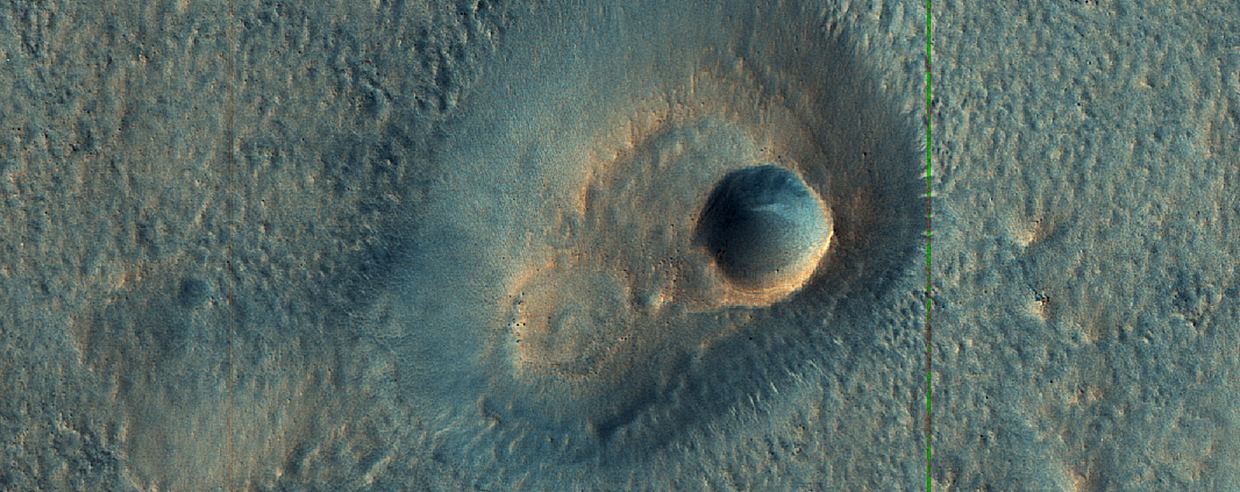
This region contains Patera Alba, one of the large shield volcanoes on Mars, along with other traces of prolonged volcanic activity. The region was studied with the European CaSSIS camera, also mounted on ExoMars TGO mail.ru
Новости Mail.runews.mail.ruOpen source ↗. The images showed relatively new narrow fissures: some are several hundred metres long and tens of centimetres wide
mail.ru
Новости Mail.runews.mail.ruOpen source ↗. They differ in colour and other properties from the surrounding rock. The scientists suggest that volcanic gases interact with rock and soil and change their colour, similar to fumaroles on Earth.
The researchers assume that the acid enters the atmosphere not directly from magma but through a permafrost layer acting as a buffer. In winter it accumulates hydrogen chloride and releases it in spring, which explains the seasonality of the observations and their link to a specific area mail.ru
Новости Mail.runews.mail.ruOpen source ↗. If so, heat sources persist in the Martian interior, which makes such regions of particular interest for the search for traces of Martian life, the researchers noted.