DICP team profiles 1,206 lipid species in oleaginous yeast R. toruloides under nitrogen limitation
Lipidomics combined with transcriptomics showed two phases of lipid production in laboratory yeast culture: rapid triacylglycerol buildup, then a shift in lipid composition.
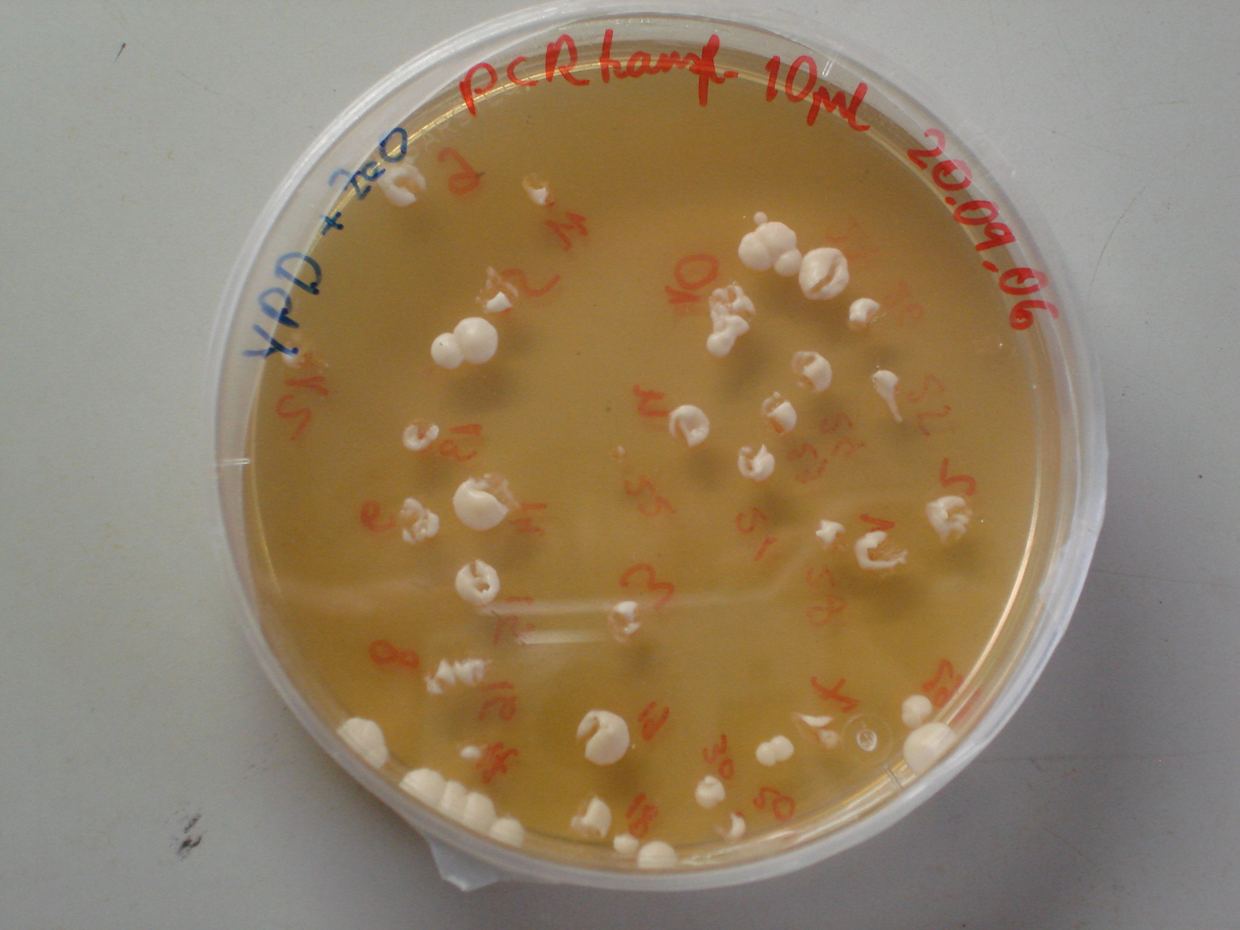
A team led by Xu Guowang and Liu Xinyu at the Dalian Institute of Chemical Physics (DICP), Chinese Academy of Sciences, working with Dalian University of Technology, combined high-coverage lipidomics with stage-resolved transcriptomics. They applied it to the oleaginous yeast Rhodosporidium toruloides grown under nitrogen limitation. The results were published in Food Chemistry; the article is dated 14 October 2026. doi.org
Food Chemistrydoi.orgOpen source ↗
Microbial oils are considered sustainable lipid sources for food and biofuel applications. According to the researchers, earlier studies of R. toruloides focused mainly on total lipid production and overall fatty acid composition. Changes in individual lipid species across cultivation stages were poorly characterized. doi.org
Food Chemistrydoi.orgOpen source ↗
Lipidomics workflow
The team built a liquid chromatography–mass spectrometry workflow that combines quantitative structure–retention relationship modeling with complementary mass-spectral database matching. With it they identified and quantified 1,206 lipid species in 26 subclasses, covering both storage and structural lipids. doi.org
Food Chemistrydoi.orgOpen source ↗
Two phases of lipid production
Under nitrogen limitation the authors observed two distinct stages. Triacylglycerols (TAGs) accumulated rapidly and peaked at 144 hours. During later cultivation, major TAG and diacylglycerol species declined, while polyunsaturated lipids became relatively enriched. doi.org
Food Chemistrydoi.orgOpen source ↗
The authors compared the microbial oil with common edible oils. Oil produced between 48 and 168 hours showed some compositional similarities to palm oil, in particular in saturation balance and unsaturation-related indices. At 216 hours the oil contained a higher proportion of polyunsaturated fatty acids, which the authors describe as a distinct fatty acid profile with potential nutritional relevance. doi.org
Food Chemistrydoi.orgOpen source ↗
Transcriptomic analysis linked these changes to distinct regulatory modules associated with lipid assembly and turnover. On this basis the authors suggest that lipid quantity and composition are regulated differently and may be modulated through control of the cultivation stage. They present the work as a phenotypic and regulatory basis for engineering microbial oils with defined functional profiles. The data come from laboratory cultures of the yeast. doi.org
Food Chemistrydoi.orgOpen source ↗
Sources · 2
Found a mistake?Read also