DGIST and POSTECH print 3D human muscle tissue models that reproduce age-related decline in contraction
Teams from DGIST and POSTECH built a laboratory 3D skeletal muscle microtissue from cells of 17- and 68-year-old donors. Tissue from the older donor contracted more weakly.
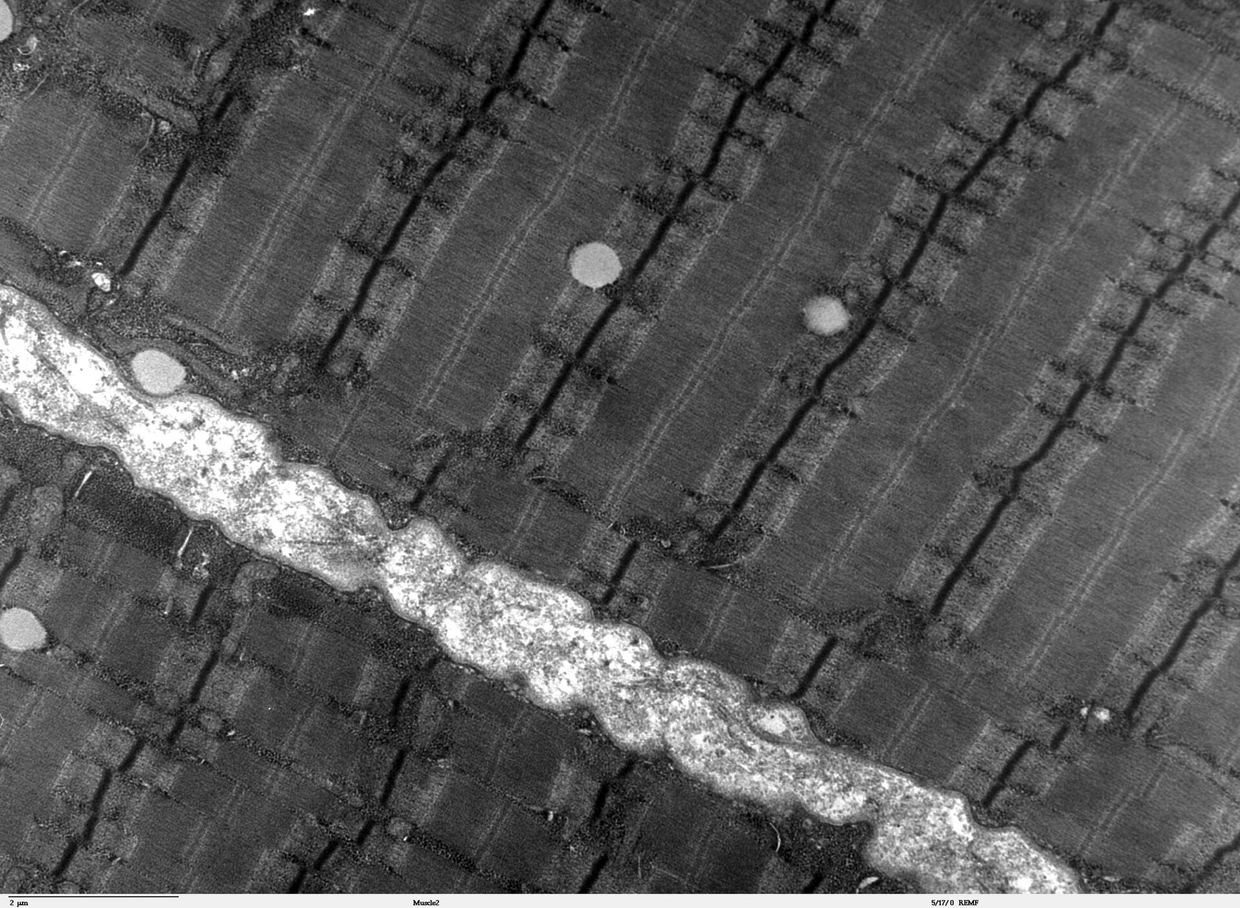
DGIST (Department of New Biology, Prof. Min-seok Kim) and POSTECH (Department of Mechanical Engineering, Prof. Dong-Woo Cho) have developed a biomimetic 3D skeletal muscle microtissue model, cnbnews.com reports. It reproduces both ageing of human muscle and the decline in contractile function cnbnews.com
cnbnews.comcnbnews.comOpen source ↗.
The team used muscle cells and decellularized extracellular matrix from 17- and 68-year-old donors and 3D-printed unidirectionally aligned tissue, as in real muscle cnbnews.com
cnbnews.comcnbnews.comOpen source ↗. Tissue from the older donor had thinner fibers, lower mitochondrial function and calcium response, and weaker contractile force than tissue from the younger one
cnbnews.com
cnbnews.comcnbnews.comOpen source ↗.
Prof. Kim said the work lays a basis for reproducing ageing-related changes with human cells and assessing contraction at the same time. The team plans to develop it into a tool for studying causes of muscle ageing and verifying the efficacy of therapeutic candidates.