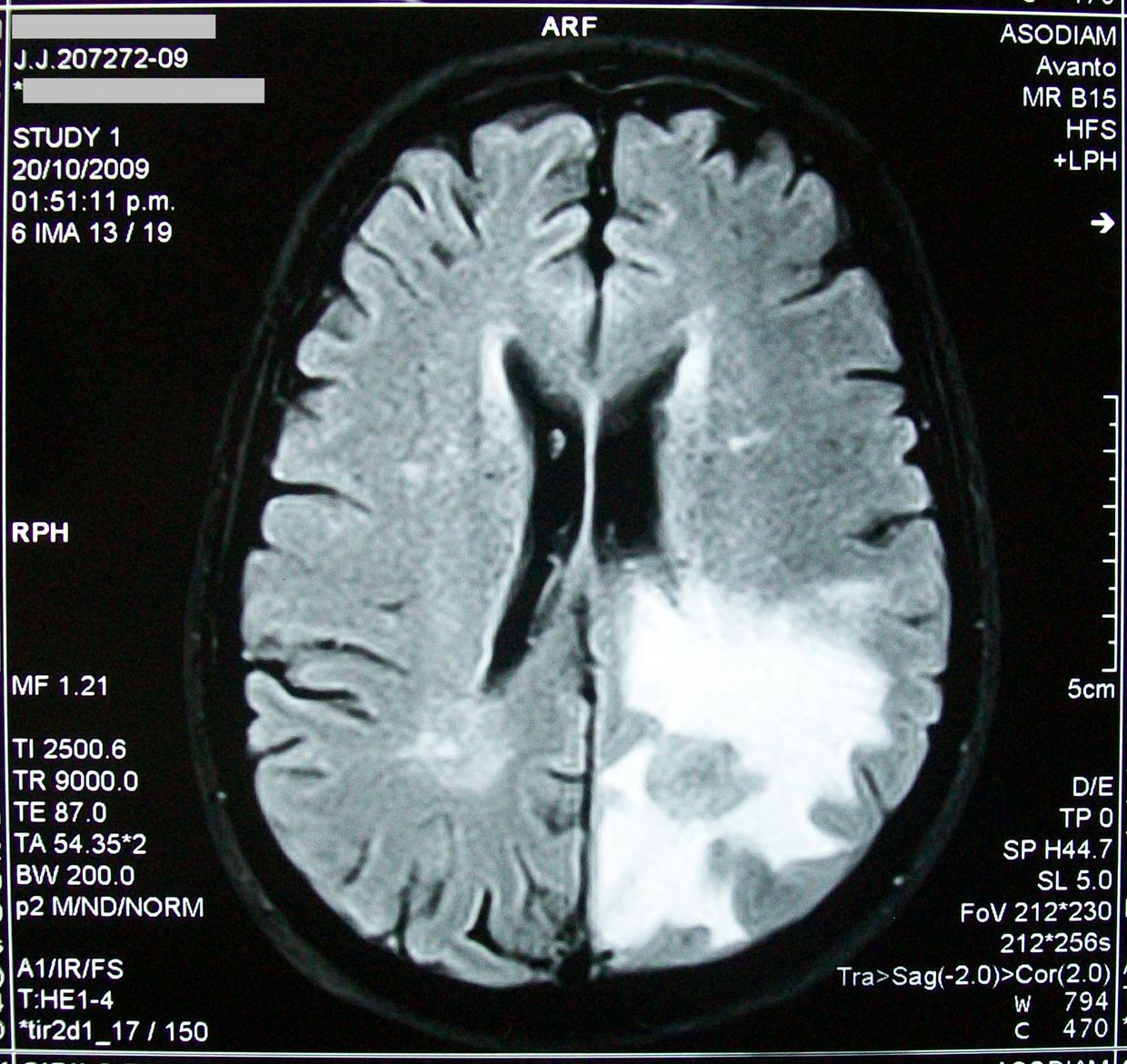
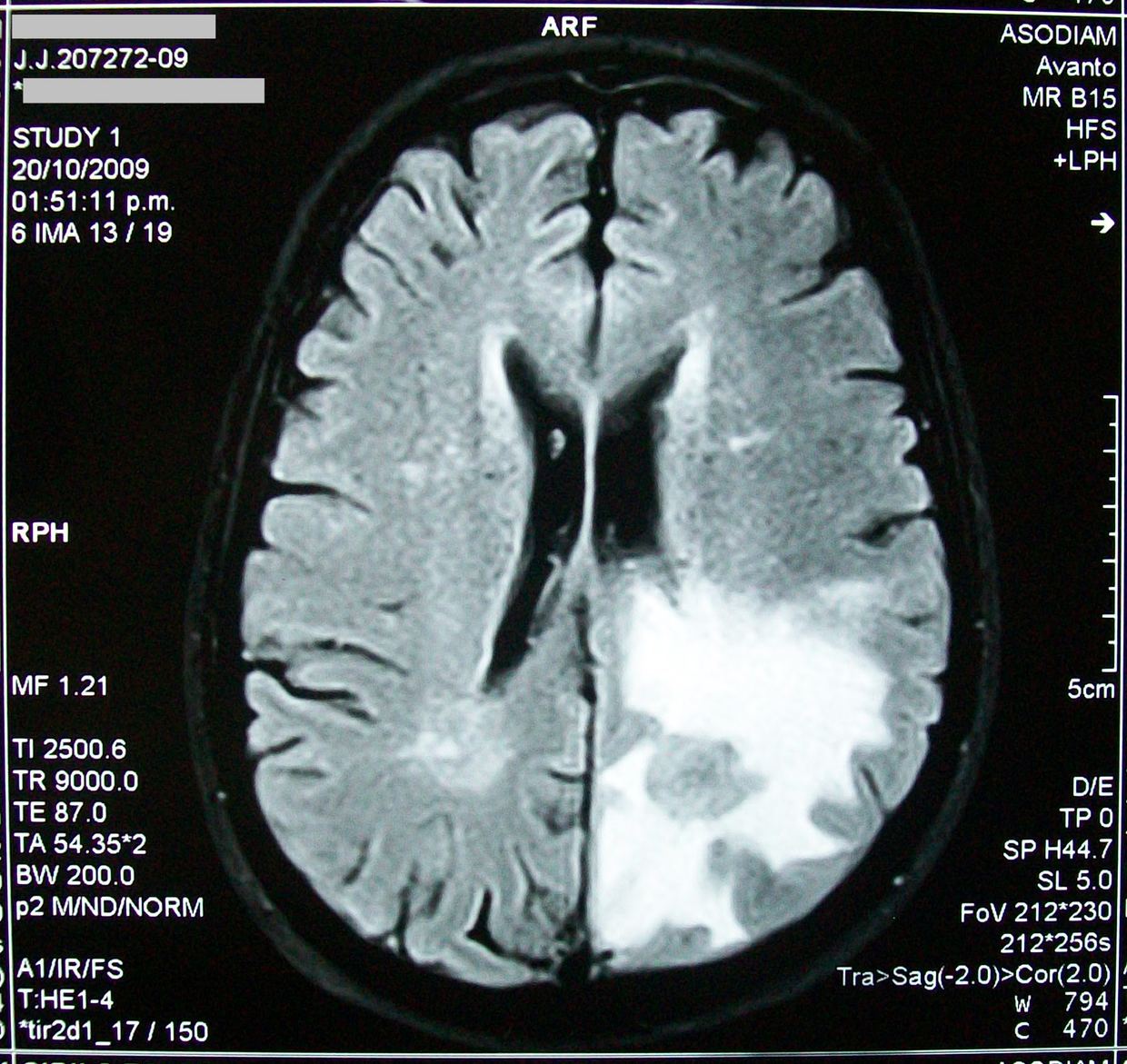
Karolinska study of 352 women: longer estrogen exposure linked to less small-vessel brain disease
In an observational study of 352 women in Gothenburg, a longer reproductive span and hormone therapy use were associated with fewer signs of cerebral small-vessel disease on MRI.
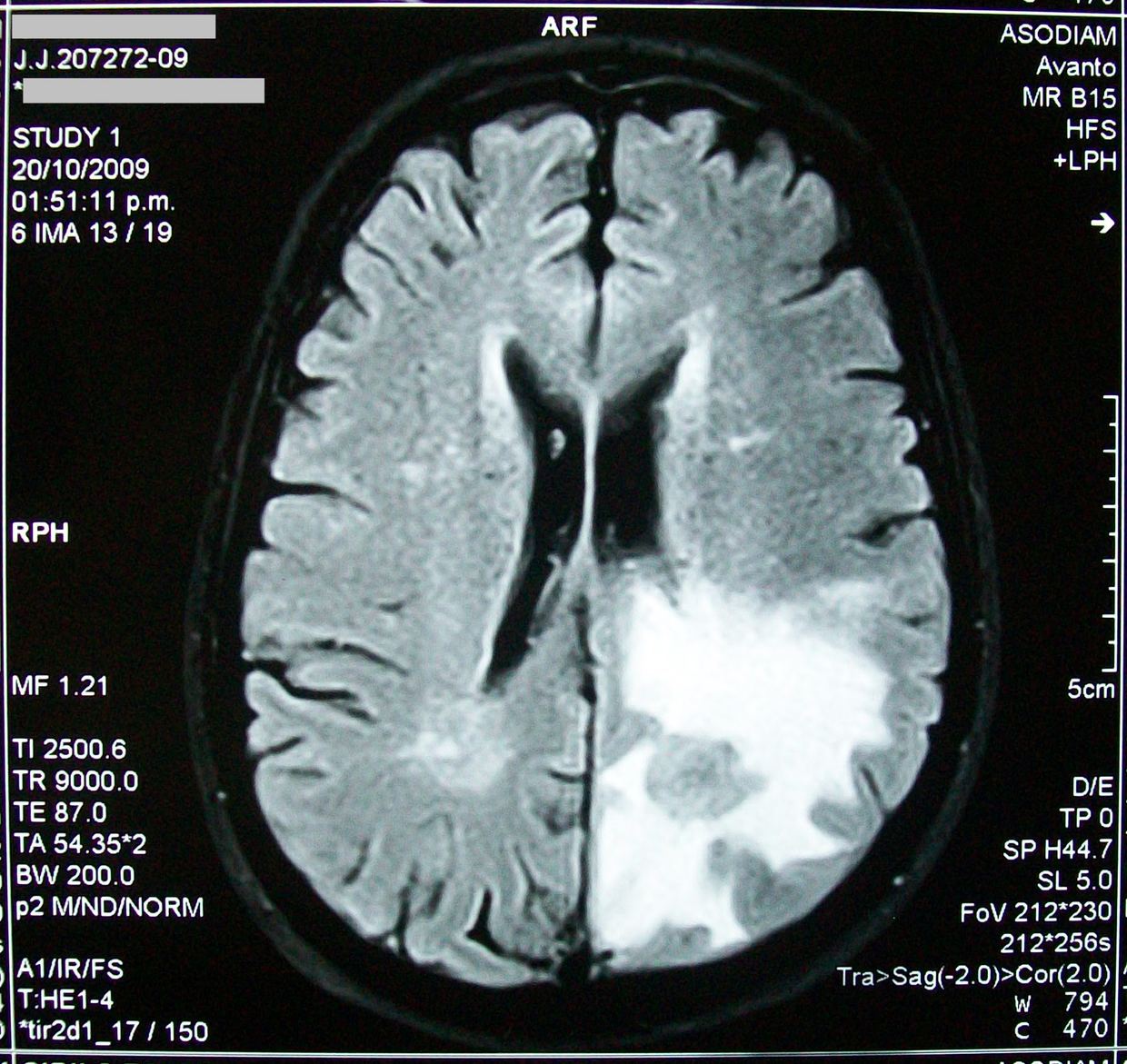
A study led by Karolinska Institutet, published in Neurology on 4 November 2026, found that longer lifetime estrogen exposure was associated with less cerebrovascular damage in older women. The analysis included 352 cognitively unimpaired women from the Gothenburg H70-1944 Birth Cohort, mean age 70 years. All underwent brain MRI at age 70 and again five years later doi.org
Neurologydoi.orgOpen source ↗.
Design and measures
Reproductive lifespan was calculated as age at menopause or oophorectomy minus age at menarche. Use of oral contraceptives (OCs) and menopausal hormone therapy (MHT) was recorded as ever versus never. The outcomes were cerebral small-vessel disease burden, AD-related cortical thickness and white matter integrity, measured as fractional anisotropy.
The small-vessel disease score ranged from 0 to 4 and combined white matter hyperintensities, lacunes, cerebral microbleeds and perivascular spaces. The regression models were adjusted for confounders and stratified by APOE-ε4 status.
Associations with vascular and structural markers
A longer reproductive span was associated with a lower small-vessel disease burden (OR = 0.92, 95% CI 0.86-0.99) doi.org
Neurologydoi.orgOpen source ↗. MHT use was associated with fewer perivascular spaces and microbleeds. Both OC and MHT use were associated with greater white matter integrity. Women who used both showed the highest fractional anisotropy compared with nonusers (β = 0.45, 95% CI 0.12-0.78)
doi.org
Neurologydoi.orgOpen source ↗.
No multiplicative interaction between OCs and MHT was found, although joint-exposure analyses suggested cumulative effects. MHT use was associated with greater AD-related cortical thickness among APOE-ε4 carriers only (β = 0.38, 95% CI 0.01-0.76). Longer estrogen exposure was also associated with stable cortical thickness and white matter hyperintensity trajectories over the five years doi.org
Neurologydoi.orgOpen source ↗.
"Our results suggest that hormonal exposure across different periods of a woman's life may have cumulative effects also on the cerebrovascular health in later life," said senior author Anna Marseglia of Karolinska Institutet.
Limitations
The study is observational, and estrogen exposure was self-reported and binary. There was no detailed information on when treatment began, its dose or its type. First author Giulia Lorenzon of Yale University said cause and effect cannot be determined and the results cannot serve as a basis for recommending hormone therapy for prevention. Potential effects on cognition require further study doi.org
Neurologydoi.orgOpen source ↗.