WashU Medicine: 84% of teens with substance-related ER care had cannabis encounters, vs 19% at ages 55–64
A US analysis of insurance data on 1.3 million patients aged 16–64 shows cannabis present in most acute-care cases among teens and young adults, and alcohol among older adults.
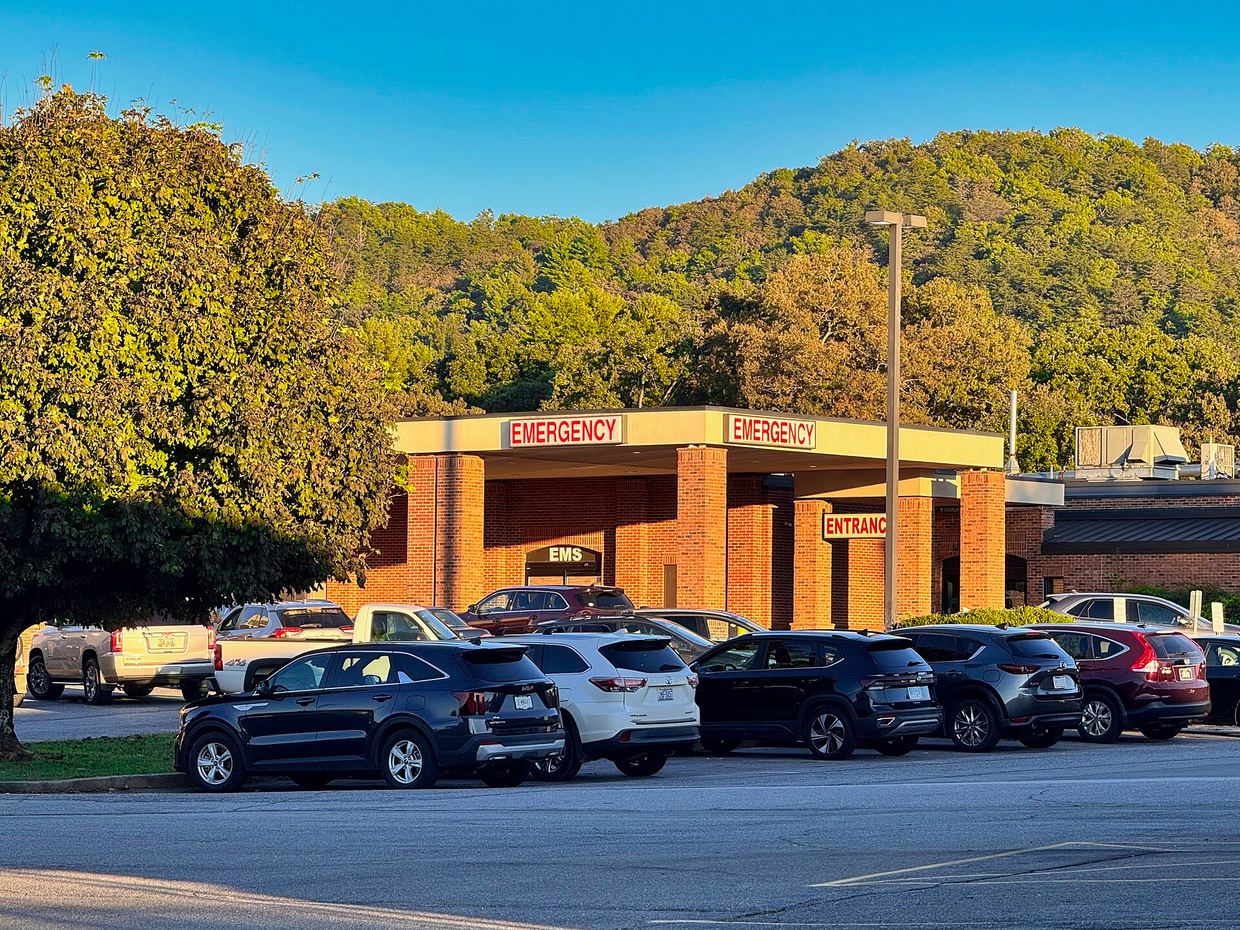
Researchers at Washington University School of Medicine in St. Louis (WashU Medicine) analyzed emergency visits and hospitalizations related to alcohol and cannabis across the U.S. and found diverging age patterns, according to eurekalert.org. The study, led by Kevin Y. Xu, was published on Nov. 4 in The American Journal of Psychiatry. eurekalert.org
eurekalert.orgeurekalert.orgOpen source ↗ It included more than 1.3 million people aged 16–64 with at least one substance-related emergency care encounter between January 2016 and December 2023. The dataset held over 5 million such encounters.
eurekalert.org
eurekalert.orgeurekalert.orgOpen source ↗
Cannabis: data and age trends
The authors used de-identified patient data from large health insurance databases, including commercial insurance and Medicaid. Besides alcohol and cannabis, the data covered visits related to opioids, stimulants and other addictive substances. Patients were grouped as 16–18, 19–24, 25–34, 35–44, 45–54 and 55–64 years. eurekalert.org
eurekalert.orgeurekalert.orgOpen source ↗
Among adolescents aged 16–18, 84% had at least one encounter involving cannabis, the highest of any group, versus 19% among those aged 55–64. eurekalert.org
eurekalert.orgeurekalert.orgOpen source ↗ The share of cannabis-related encounters grew fastest at ages 19–24, by about 1.8 percentage points per year. Among teens it rose by about 0.8 points per year, and older groups changed little.
eurekalert.org
eurekalert.orgeurekalert.orgOpen source ↗ The authors also report increases in cannabis-related admissions involving psychosis and severe vomiting among younger people.
eurekalert.org
eurekalert.orgeurekalert.orgOpen source ↗
The study counted any visit where cannabis appeared anywhere in the diagnosis list, so the visit could have been for another reason, such as an injury or a psychiatric crisis. Nearly half of cannabis-related encounters also involved another substance. Among hospitalizations where cannabis was the primary reason for admission, the trend in adolescents declined. The researchers did not analyze which conditions were listed as the main reason for admission. eurekalert.org
eurekalert.orgeurekalert.orgOpen source ↗
Alcohol: higher share with age
Despite the overall decline in alcohol use in the U.S. during the study period, alcohol-related emergency care and admissions remained high and tended to increase with age. eurekalert.org
eurekalert.orgeurekalert.orgOpen source ↗ An alcohol-related encounter occurred in 33% of adolescents and in 70% of those aged 55–64, with the share rising steadily across age groups.
eurekalert.org
eurekalert.orgeurekalert.orgOpen source ↗ The steepest trend in the study was alcohol as the primary reason for hospitalization among adults aged 25–34, which rose by 3.6 percentage points per year.
eurekalert.org
eurekalert.orgeurekalert.orgOpen source ↗
Xu noted that the higher potency of current cannabis products makes it easier to consume much more THC than in the past. He cited a recent study suggesting that cannabis use disorder becomes more likely above roughly 40 mg of THC per week in adults and 30 mg per week in adolescents. Xu also said adolescents and young adults are in critical periods of brain development; heavy adolescent use has been associated with a higher risk of psychotic symptoms, though most cannabis users do not experience them. First author Jacob T. Steinle said the team plans to study why harm patterns differ across the lifespan. eurekalert.org
eurekalert.orgeurekalert.orgOpen source ↗