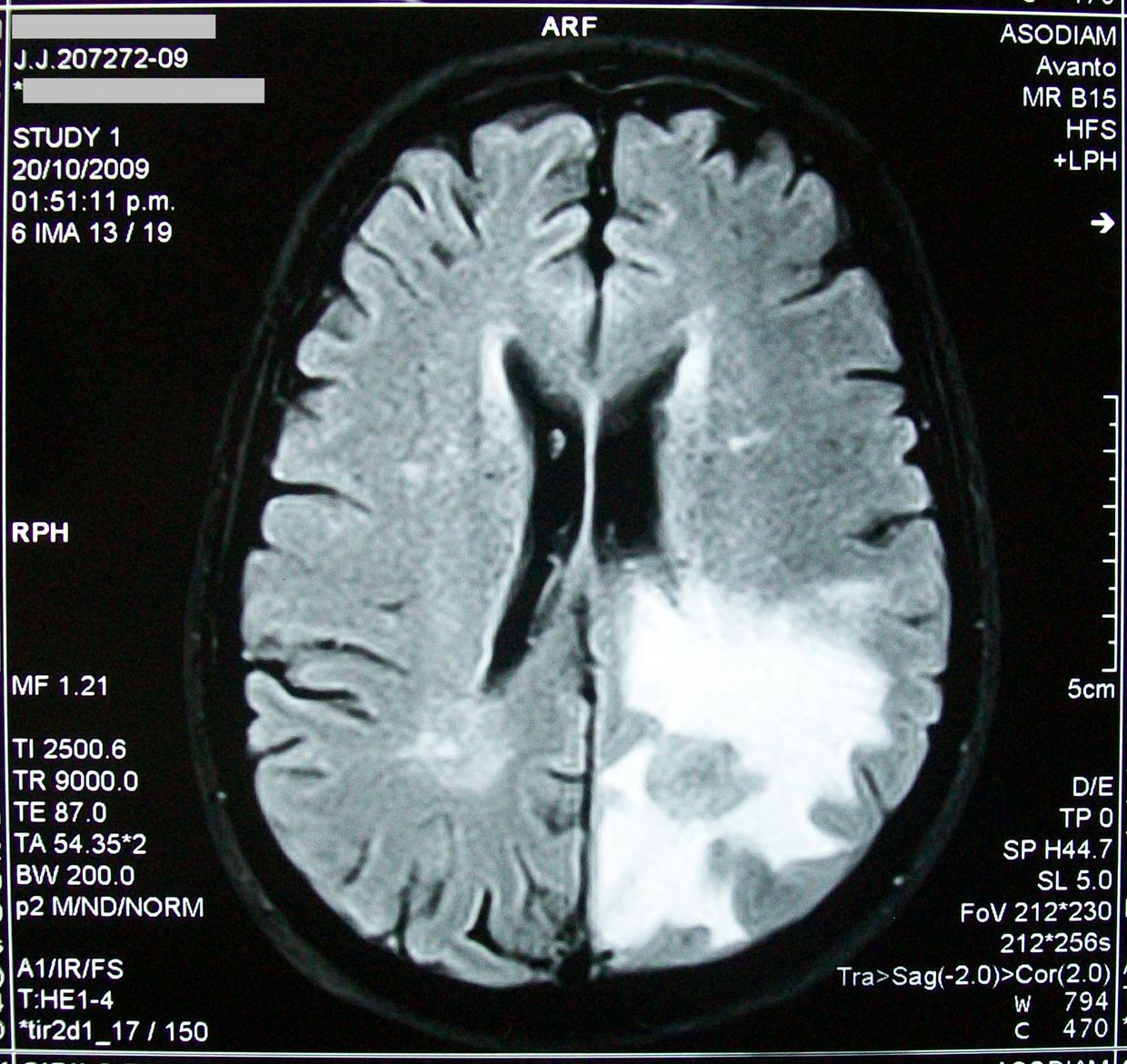
Stanford fMRI connectome score links brain activity to later Alzheimer's decline in unimpaired adults
Stanford Medicine researchers built a resting-state fMRI score from SuperAgers and Alzheimer's patients; in unimpaired adults it tracked later decline, amyloid-β and conversion risk.
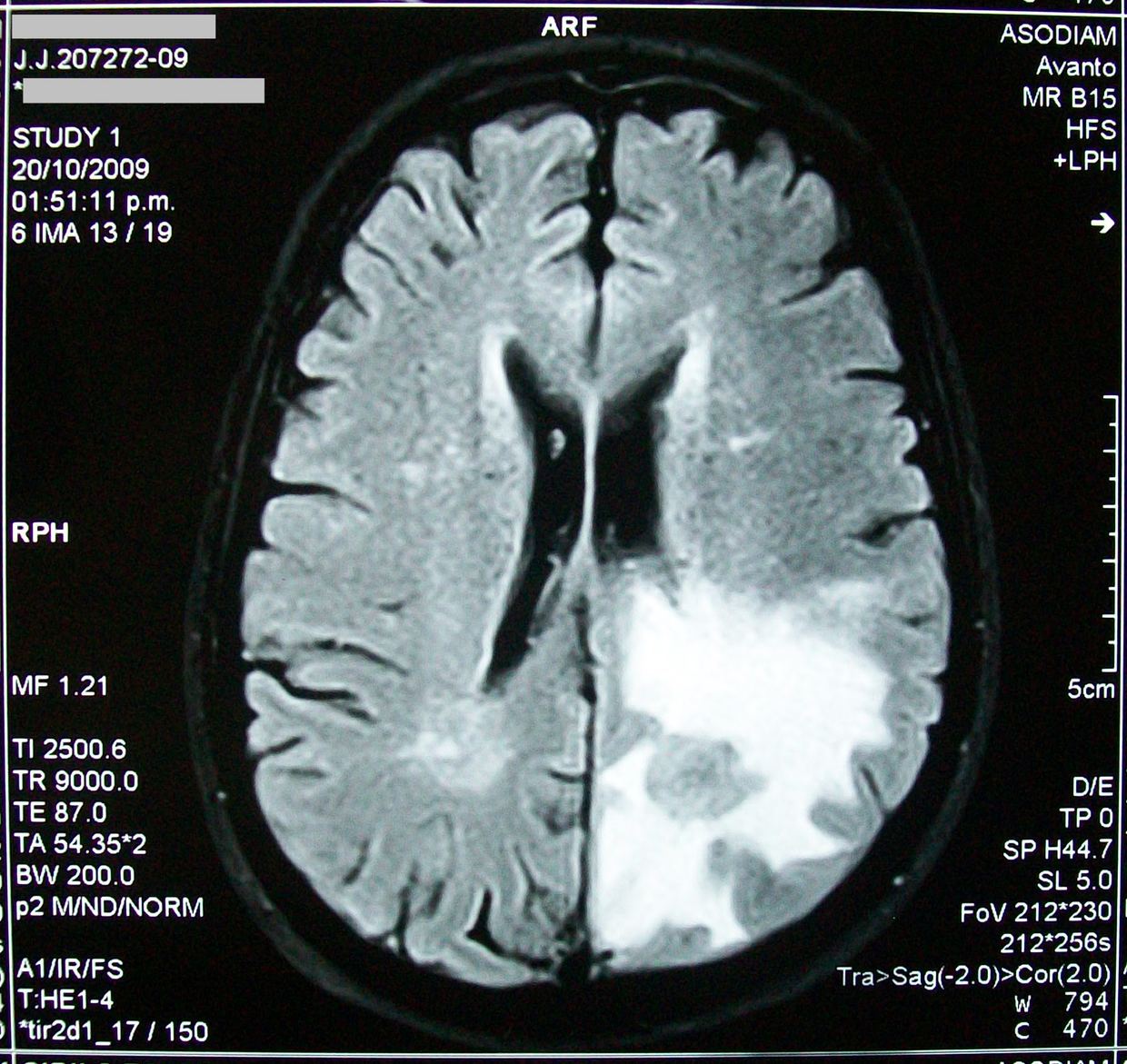
A team led by Stanford Medicine has derived a resting-state fMRI score, the Alzheimer's Resilience-Vulnerability Connectome (ARC), that separates SuperAgers from people with Alzheimer's disease (AD). In cognitively unimpaired adults the score was linked to later cognitive decline. The work was published on Nov. 4 in Science advances. doi.org
Science advancesdoi.orgOpen source ↗
How the ARC score was built
The researchers contrasted SuperAgers, an extreme phenotype of preserved late-life memory, with people diagnosed with AD. According to the press release, SuperAgers were aged 75 or older, with memory typical of a 45-year-old and normal executive function for their age. The comparison used 180 SuperAgers and 110 people with AD, 290 in total, with imaging data from several large projects, including OASIS, the Harvard Aging Brain Study and ADNI. doi.org
Science advancesdoi.orgOpen source ↗
ARC distinguished SuperAgers from AD with an AUC of 0.85 and replicated independently in 143 people. It involved prefrontal, temporal and insular networks and was associated with brain age. doi.org
Science advancesdoi.orgOpen source ↗
Subtypes in unimpaired adults
The score was then applied to cognitively unimpaired adults: 818 in the discovery cohort and 497 in the replication cohort. According to the press release, they were aged 55 to 70. ARC-based subtyping revealed SA-like and AD-like subgroups with comparable baseline cognition but divergent longitudinal trajectories. doi.org
Science advancesdoi.orgOpen source ↗
AD-like individuals showed faster cognitive decline, greater amyloid-β accumulation and a higher risk of conversion to AD. doi.org
Science advancesdoi.orgOpen source ↗ Follow-up lasted up to 12 years, but mostly five to six, said lead author Kanhao Zhao. The authors report that ARC performed comparably to or better than existing biomarkers, and that combining it with them improved prediction.
An exploratory genome-wide association study nominated CLYBL and FRMD6 as candidate novel loci associated with the difference between subtypes. doi.org
Science advancesdoi.orgOpen source ↗
Limits
The authors state that ARC should not be considered diagnostic and that a score is a snapshot, not destiny. Interventions such as transcranial magnetic stimulation or cognitive training have not been tested for cognitive decline. It is not known whether shifting brain activity patterns would change the course of the disease.