Embrapa maps Nelore cattle rumen microbiota to find enzyme targets for lower methane emissions
Brazilian researchers linked microbial gene expression in the rumen to methane output and feed efficiency; the enzymes found are targets for future feed additives.
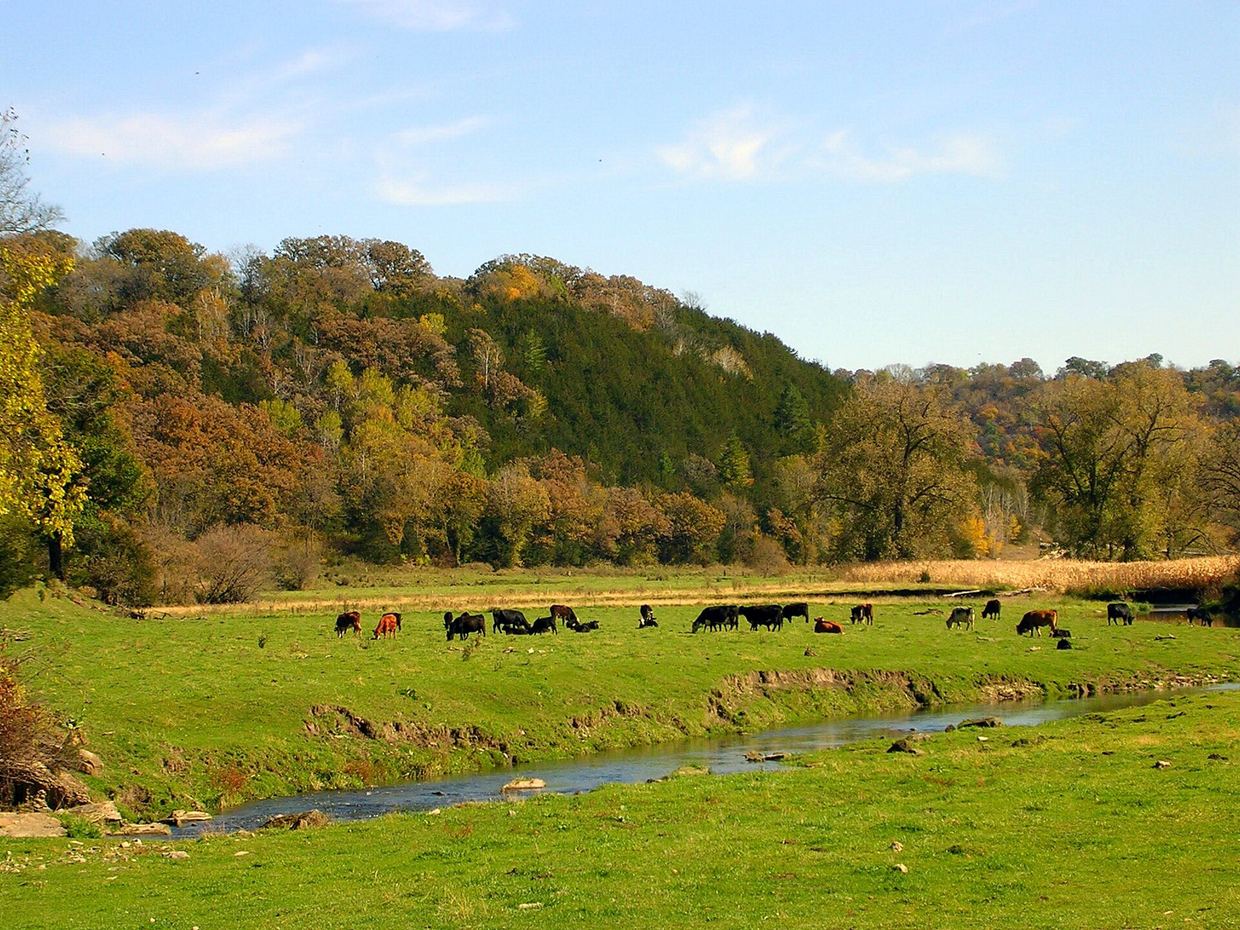
Researchers at the Brazilian Agricultural Research Corporation (Embrapa) are studying how the genetics of Nelore cattle, the most widely raised beef breed in Brazil, relates to the microorganisms in their guts. Luciana Regitano of Embrapa Pecuária Sudeste in São Carlos presented key findings on October 28 at FAPESP Week Netherlands, according to a release distributed through EurekAlert on November 3. The work was supported by FAPESP eurekalert.org
EurekAlerteurekalert.orgOpen source ↗.
Rumen enzymes and methane
Methane forms in the rumen when microorganisms break down plant fibers. Besides its climate effect, this process consumes 2% to 12% of the energy the animal could otherwise obtain from feed eurekalert.org
EurekAlerteurekalert.orgOpen source ↗. The team analyzes DNA, RNA, proteins and other chemical substances simultaneously, in both cattle tissues and the gut microbiota
eurekalert.org
EurekAlerteurekalert.orgOpen source ↗.
By mapping RNA molecules produced in the rumen, the scientists identified enzymes linked to better feed utilization and lower methane production. According to Regitano, variation in microbial gene expression is directly connected to the volume of methane and to feed efficiency eurekalert.org
EurekAlerteurekalert.orgOpen source ↗. The enzymes are considered targets for new feed additives, including inhibitors of methane formation. Blocking methane alone can cause hydrogen to accumulate and acidify the rumen, so the team aims to redirect hydrogen toward propionate, an energy source for the animal
eurekalert.org
EurekAlerteurekalert.orgOpen source ↗.
Microbiota, selection and unknown species
The group is also developing probiotics and prebiotics, and studying microRNAs carried in nanovesicles produced by cattle. In computer simulations, certain microRNAs correlate strongly with the function of rumen microbial genes. The hypothesis that the animal uses them to modulate its bacteria is now being tested in the laboratory eurekalert.org
EurekAlerteurekalert.orgOpen source ↗.
In a study with the Brazilian Association of Zebu Breeders (ABCZ), microorganisms present in calves on pasture correlated with feed efficiency and weight gain months later in feedlots eurekalert.org
EurekAlerteurekalert.orgOpen source ↗. Genetic markers tied to certain microorganisms have been found, but Regitano said direct selection for microbiota currently has an unfavorable financial return because sequencing costs are high
eurekalert.org
EurekAlerteurekalert.orgOpen source ↗.
About 40% of what was identified in the Nelore samples is not listed in any international database, and roughly 48% of microbial species may be new to science, according to the researchers. The next step is to isolate these microorganisms and express their proteins in the laboratory. Embrapa is also extending the work to other breeds and climates with partners in the United States, Ireland, Germany, Australia and the Netherlands eurekalert.org
EurekAlerteurekalert.orgOpen source ↗.