Genomes of Philornis downsi flies point to San Cristóbal as the entry point to the Galápagos
Sequencing of the avian vampire fly Philornis downsi from five islands and mainland Ecuador points to San Cristóbal as a likely source of spread, which matters for control planning.
A team led by Macquarie University sequenced the genomes of the avian vampire fly Philornis downsi collected on five major Galápagos islands and in mainland Ecuador, where the parasite is native. The results were published on 30 October 2026 in Molecular Ecology doi.org
Molecular Ecologydoi.orgOpen source ↗. The authors, including PhD student Abbie Hay and Associate Professor Rachael Dudaniec, used low-coverage whole genome sequencing to assess genetic diversity, directional migration and effective population size
doi.org
Molecular Ecologydoi.orgOpen source ↗.
The parasite and the question
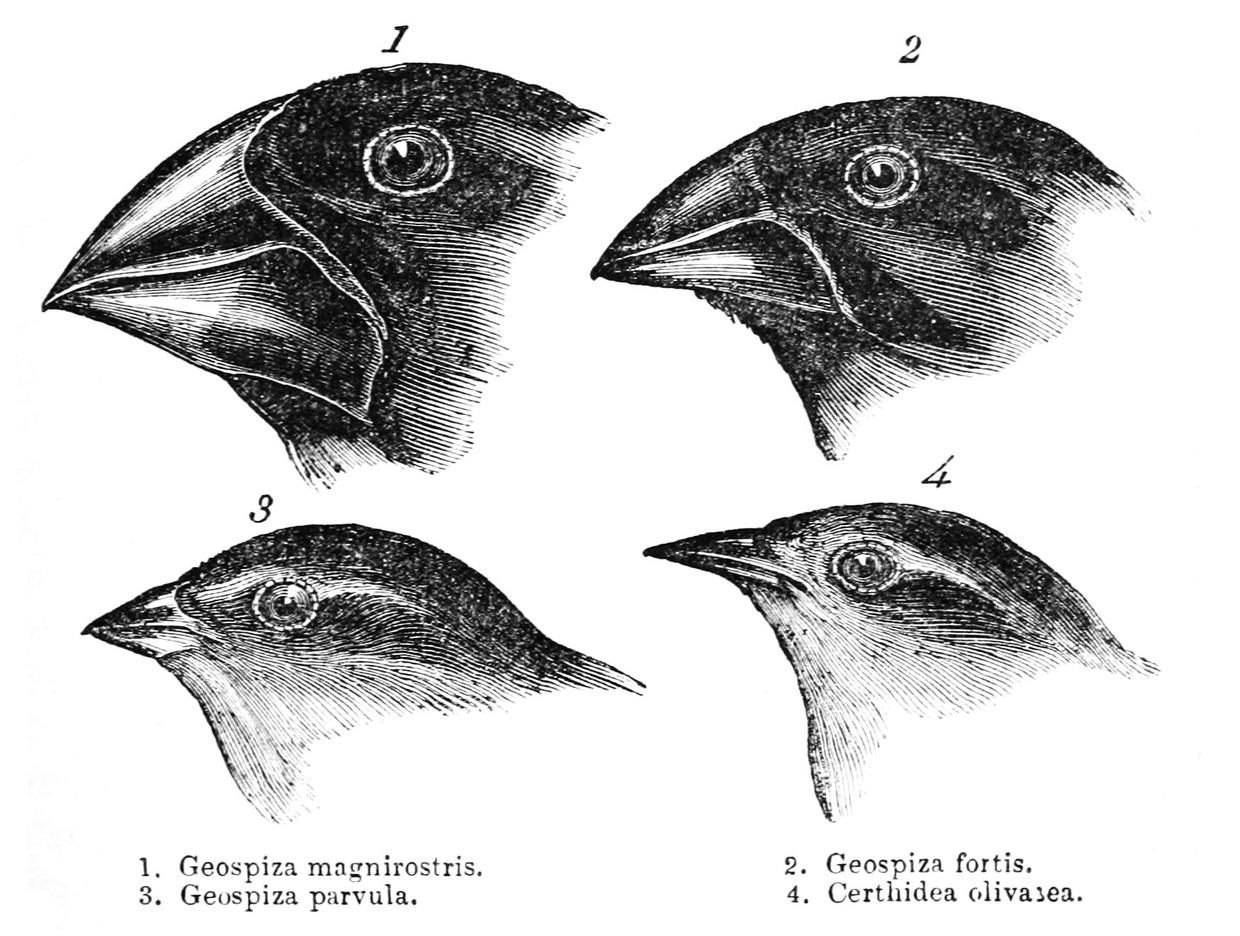
P. downsi was first recorded in Darwin's finch nests in 1997 doi.org
Molecular Ecologydoi.orgOpen source ↗. According to the Macquarie University release, its larvae feed on the blood and tissue of developing chicks and often kill the entire brood. The fly has been recorded on 15 islands of the archipelago. Before this work, the patterns of dispersal between islands, the sex-specific patterns and the genetic structure of the Galápagos populations were poorly understood
doi.org
Molecular Ecologydoi.orgOpen source ↗.
Genetic structure and migration routes
The authors found evidence of a genetic bottleneck in the Galápagos populations and of isolation by distance doi.org
Molecular Ecologydoi.orgOpen source ↗. San Cristóbal, the island closest to the Ecuadorian mainland, was genetically divergent from the other four sampled islands, yet it retained the highest genetic diversity
doi.org
Molecular Ecologydoi.orgOpen source ↗.
No evidence of sex-biased dispersal was found. Sex-biased genetic structure, however, was detected when only markers from inferred autosomal scaffolds were used doi.org
Molecular Ecologydoi.orgOpen source ↗.
Gene flow was asymmetric. Migration rates were higher from San Cristóbal westward to the other islands, which matches the direction of the southeast trade winds and of major cargo shipping routes doi.org
Molecular Ecologydoi.orgOpen source ↗. The authors suggest both natural and human-mediated colonisation from the mainland through San Cristóbal, followed by high dispersal among closely situated sink islands
doi.org
Molecular Ecologydoi.orgOpen source ↗.
The release describes San Cristóbal as historically the first docking point for cargo vessels. Dudaniec said the fly may reach San Cristóbal from the mainland with human assistance and then spread to other islands through a combination of human activity and natural dispersal.
The authors state that the findings are important for prioritising islands for control strategies aimed at reducing the impact of the fly on Darwin's finches and other vulnerable endemic birds doi.org
Molecular Ecologydoi.orgOpen source ↗. The study builds on more than two decades of research on the fly and the finches led by Professor Sonia Kleindorfer, now at the University of Vienna.