Workplace petroleum lubricant exposure linked to 38% higher MS odds in Swedish study
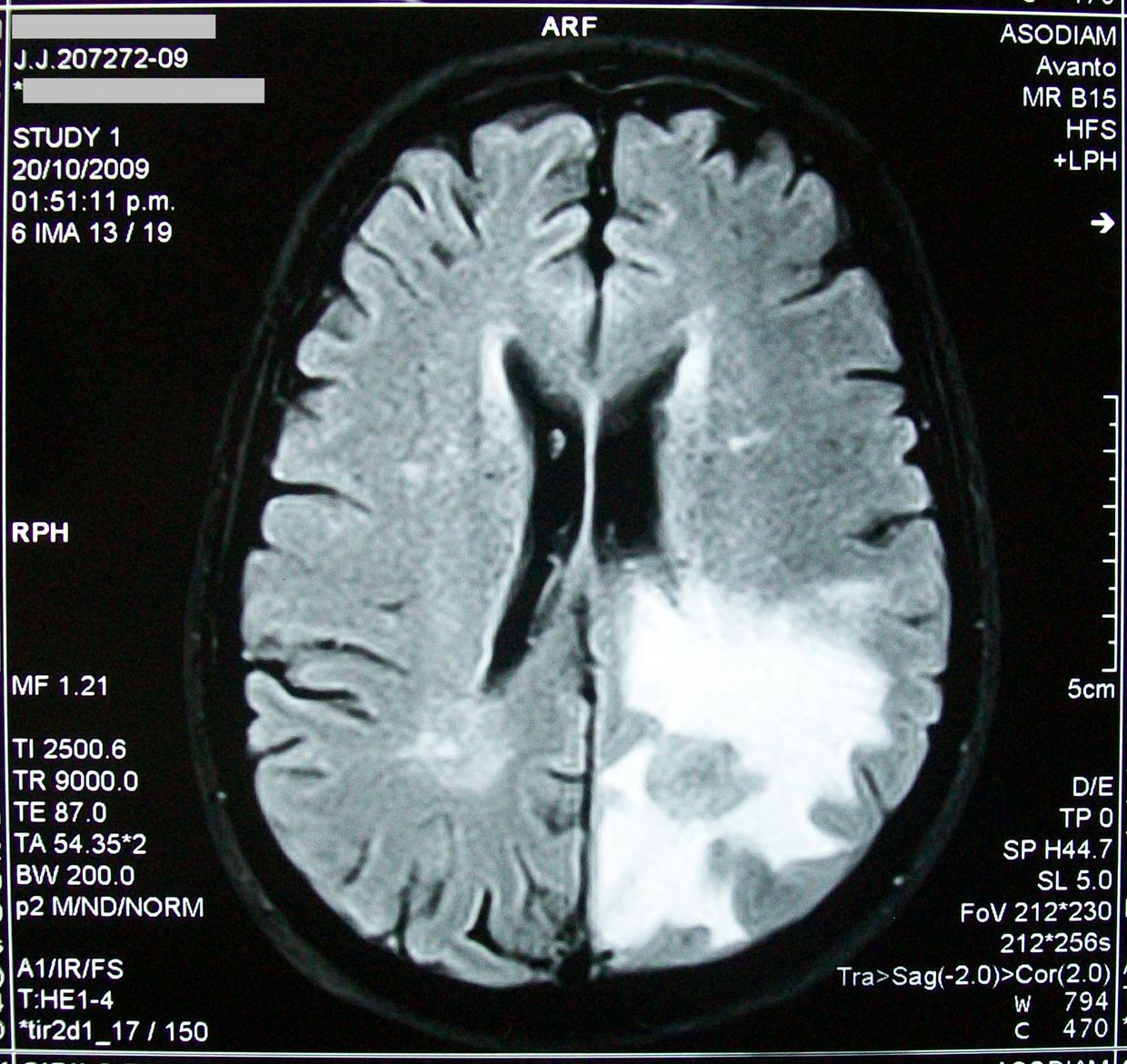
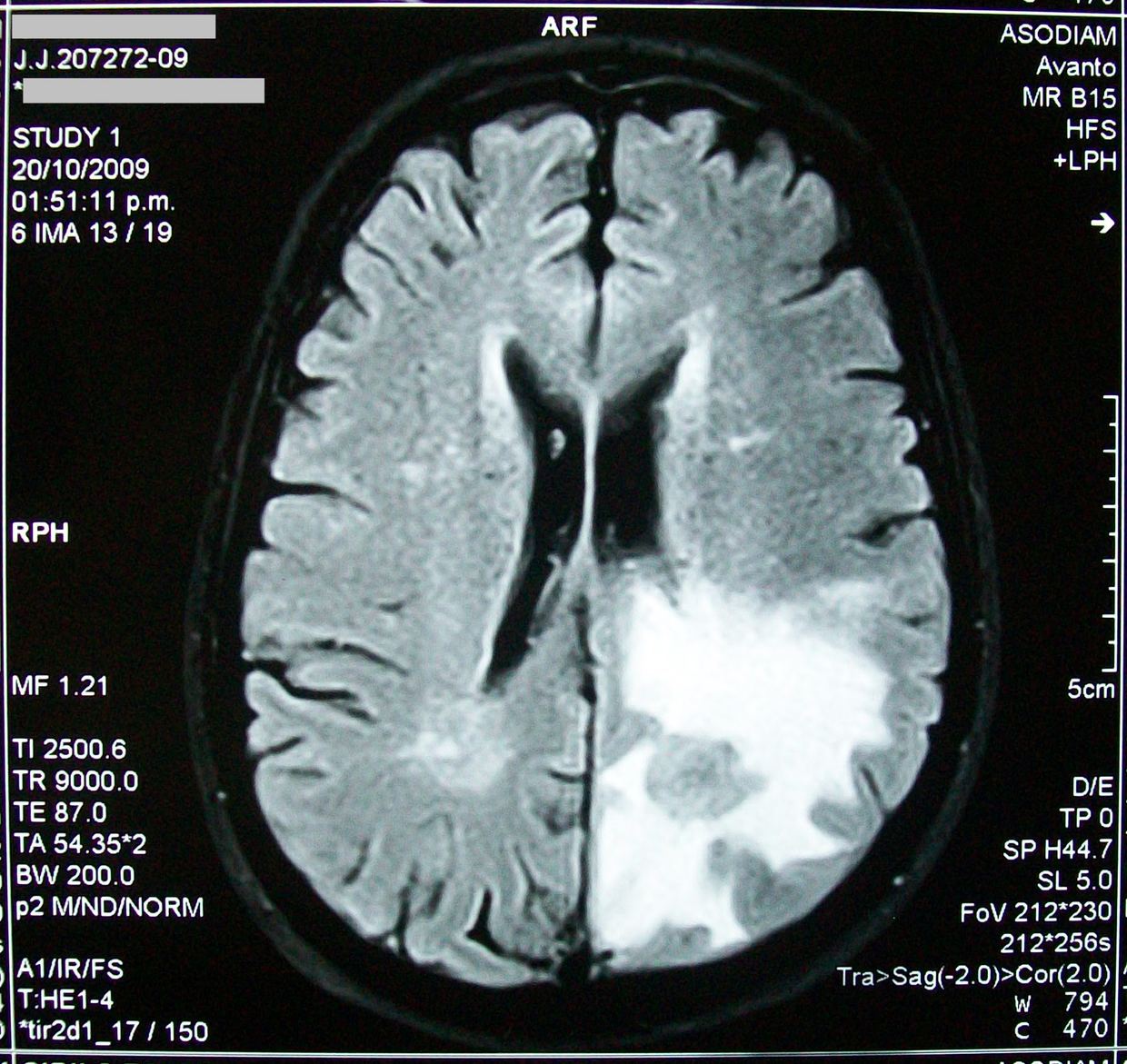
A Neurology study of 2,872 people with multiple sclerosis and 6,122 people without it in Sweden found an association with occupational lubricant exposure, not proof of cause.

Exposure to petroleum-derived lubricants at work, including engine oil, hydraulic oil and cutting fluids used to cool or lubricate metal, is associated with higher odds of multiple sclerosis (MS). This follows from a study published on November 4, 2026 in Neurology, the journal of the American Academy of Neurology, according to EurekAlert. eurekalert.org
EurekAlerteurekalert.orgOpen source ↗ After adjustment for age, sex, residential area, smoking and other factors, people who reported exposure had 38% higher odds of MS than those who did not.
eurekalert.org
EurekAlerteurekalert.orgOpen source ↗ The study shows an association only and does not prove that the lubricants cause MS.
eurekalert.org
EurekAlerteurekalert.orgOpen source ↗
Study design and exposure results
The study, led by Anna Karin Hedström of Karolinska Institutet in Stockholm, included 2,872 people with newly diagnosed MS and 6,122 people without MS, matched by age, sex and residential area. Participants lived in Sweden and had an average age of 35. They completed questionnaires on work history and contact with cutting lubricants and fluids, engine oil, hydraulic oil and concrete form oil. eurekalert.org
EurekAlerteurekalert.orgOpen source ↗
Exposure was defined as contact with at least one of these substances before the year of the first MS symptom. Common occupations among exposed participants were metalworking, construction, automotive repair and machinery maintenance. Occupational exposure was reported by 251 people with MS (8.7%) and 399 people without MS (6.5%). eurekalert.org
EurekAlerteurekalert.orgOpen source ↗
The odds of MS rose by 2% for each additional year of exposure and by 2% for each additional weekly hour of exposure. Higher amounts of exposure were also linked to higher odds. When only people exposed at least seven years before their first symptom were analysed, exposed participants had 55% higher odds of MS. eurekalert.org
EurekAlerteurekalert.orgOpen source ↗
Smoking, genetics and limitations
Genetic data were available for a smaller group. Among exposed people, smokers had higher odds of MS than would be expected from adding the separate effects of smoking and exposure. The same was true for people lacking a gene linked to lower MS risk. eurekalert.org
EurekAlerteurekalert.orgOpen source ↗
Participants who were exposed, smoked, carried a gene variant linked to higher MS risk and lacked a variant linked to lower risk had more than 33 times the odds of MS compared with people with none of these factors. This group contained only 16 people with MS and two without, so the estimate is less precise, Hedström noted. eurekalert.org
EurekAlerteurekalert.orgOpen source ↗
The authors listed limitations: exposure was self-reported and may have been remembered or classified inaccurately, and other workplace exposures may have affected the results. They said the findings need confirmation in other groups and that future studies should collect more detailed data on timing and amount of exposure. eurekalert.org
EurekAlerteurekalert.orgOpen source ↗