Queen Mary: dwarf goat kids' calls grow similar within a group over four weeks
In a 2012 study of 23 dwarf goat kids, calls recorded at one and five weeks grew more alike in kids raised together, beyond what kinship explains.
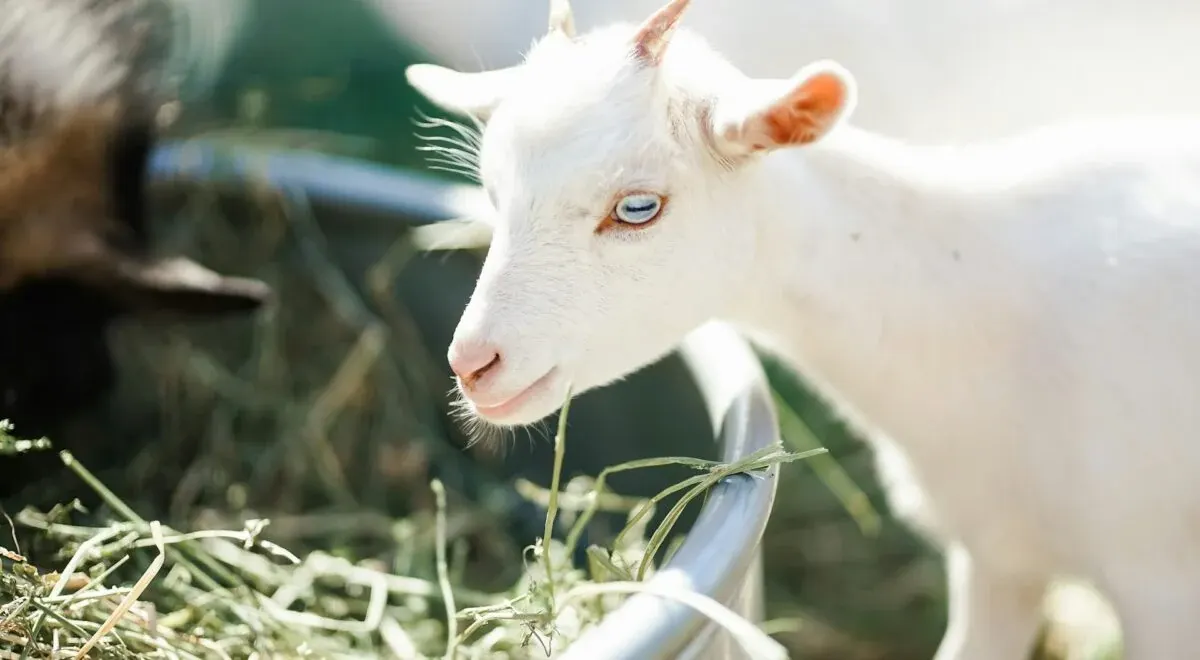
Biologists Elodie Briefer and Alan McElligott of Queen Mary University of London reported in 2012, in the journal Animal Behaviour, that young goats shape their voices to match their group, as described by science-et-vie.com science-et-vie.com
science-et-vie.comscience-et-vie.comOpen source ↗. The team followed four groups of dwarf goat kids, 23 animals in total, all born to the same father but to different mothers, so they were full siblings and half-siblings.
How the calls were recorded
The researchers recorded the kids' bleats at one week, when the young hide in vegetation to escape predators, and again at five weeks, the age at which they join a group of peers. About ten calls per kid were analyzed, which allowed the team to measure how the voices changed.
Calls converge within a group
Over the four weeks the voices became closer. Half-siblings raised in the same group produced increasingly similar calls, and kinship alone did not account for this. The researchers see in it the mark of the social environment. Full siblings resembled each other even more, which indicates that genes also contribute.
The groups also differed from one another: the calls of one group were clearly higher in pitch than those of another science-et-vie.com
science-et-vie.comscience-et-vie.comOpen source ↗. According to Briefer, such a shared accent probably helps goats identify who belongs to the group and strengthens the cohesion of the herd. The team had expected goat vocalizations to be insensitive to the environment. Each group ended up settling on a common pattern, through what the article describes as simple mutual imitation between neighbors.
Context
In most mammals, calls were thought to be fixed by genes, with no room for learning. Vocal plasticity had been attributed mainly to humans, whales and bats. According to the researchers, group-specific accents in goats offer a new perspective on the evolution of animal communication and may help clarify some steps that preceded human language.