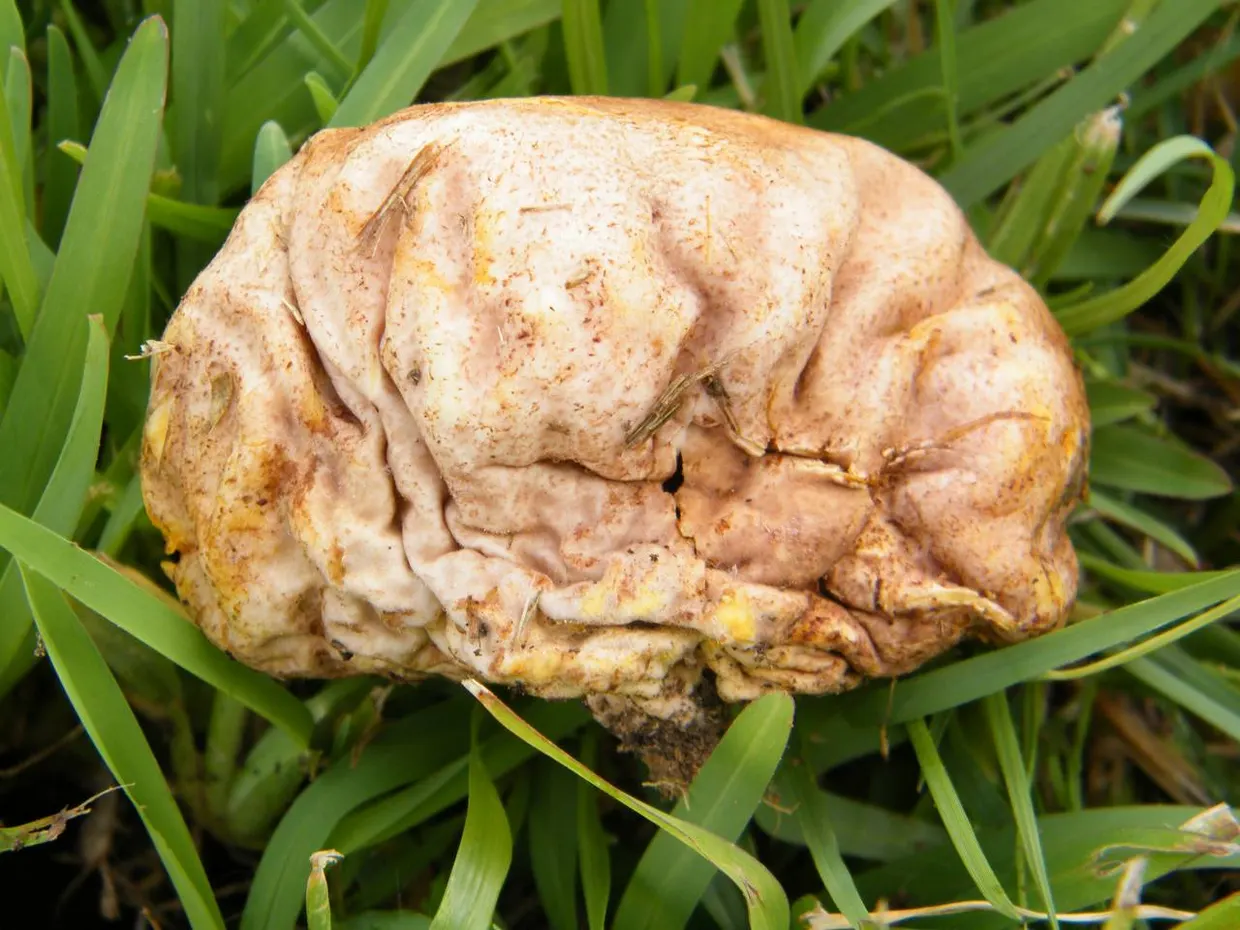
MBARI filmed a live barreleye with a transparent head at 600–800 m off California in 2009
Videos from remotely operated vehicles showed that the 15 cm fish rotates tubular eyes under a fluid-filled dome, correcting a picture based on damaged specimens since 1939.
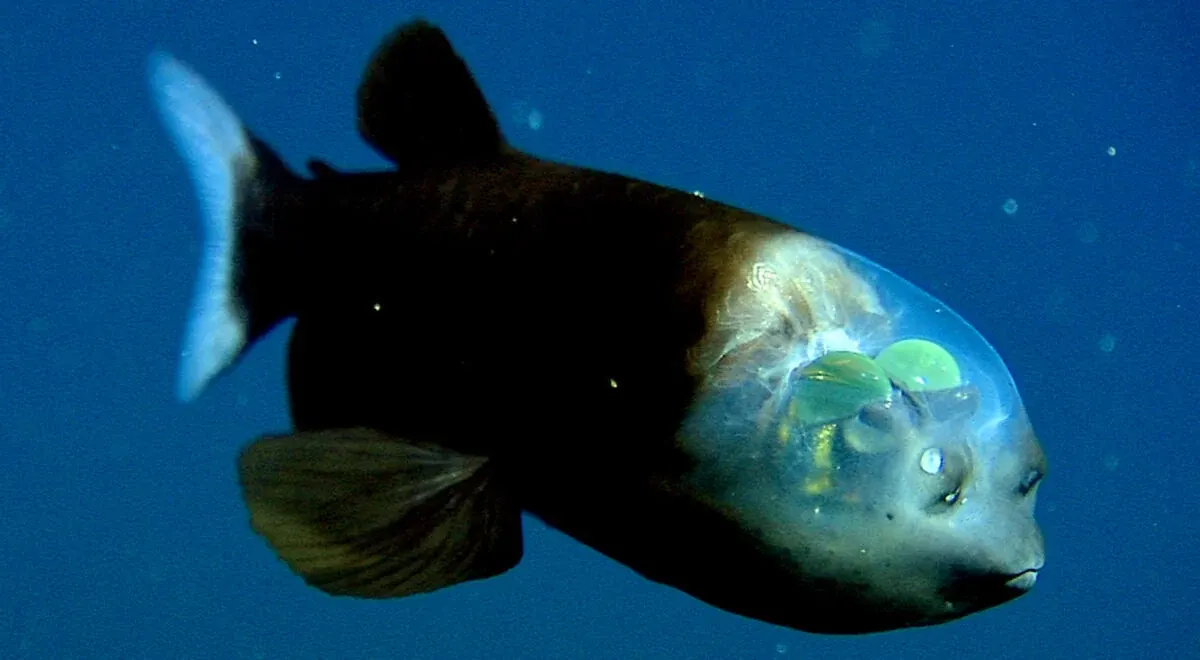
The Monterey Bay Aquarium Research Institute (MBARI) published the first images of a living barreleye in 2009, filmed by its underwater robots off central California, according to science-et-vie.com science-et-vie.com
science-et-vie.comscience-et-vie.comOpen source ↗. The fish, described in 1939, had been known only from corpses brought up in tatters in trawl nets, with the fragile skull destroyed during the ascent. The footage showed what the transparent gelatinous casing on its head was for.
Why the head was never seen intact
For seventy years, naturalists examined only damaged barreleyes, killed and deformed by trawls. On these remains the translucent dome over the head had always burst, so old drawings show a fish with a truncated head and exposed eyes. Such specimens gave a misleading picture of the species.
Bruce Robison and Kim Reisenbichler of MBARI filmed the animal alive at 600 to 800 metres using remotely operated vehicles. The cameras showed a 15-centimetre fish hanging motionless in dark water, topped by a bubble filled with liquid from which two bright green eyes emerged. The team also brought one live individual to the surface, where it survived a few hours in a shipboard aquarium.
Rotating tubular eyes and hunting
The tube-shaped eyes pick up the faintest light from above but cover only a narrow field. A broad, flat body and large fins keep the fish suspended without effort. For a long time the eyes were thought to be fixed, pointing upward. The videos corrected this: the barreleye rotates its eyes forward when it moves on prey science-et-vie.com
science-et-vie.comscience-et-vie.comOpen source ↗. The two dark spots above its mouth, long taken for eyes, are olfactory organs. The green of the lenses would filter light coming from the surface, which would help the silhouettes of prey and the glow of bioluminescence stand out.
Robison and Reisenbichler think the arrangement serves to hunt siphonophores and drifting jellyfish, whose stinging tentacles trap small animals. Such gelatinous colonies can exceed ten metres in length. The dome would protect the eyes from the venomous filaments while the fish takes its share.
The fish stays almost always still, body horizontal, eyes turned upward. When a silhouette appears, it raises its body to the vertical, aims its gaze forward and rises slowly to seize the target with its small mouth. Scientists now want to determine whether other deep-sea fish with tubular eyes use a similar strategy.