DNA of 8 woodcock and 22 snipe species traces how these sandpiper relatives lost long migration
A PNAS study sequenced DNA of all living woodcocks and snipes to build their family tree. It shows how island species spread and why many migrate little or not at all.
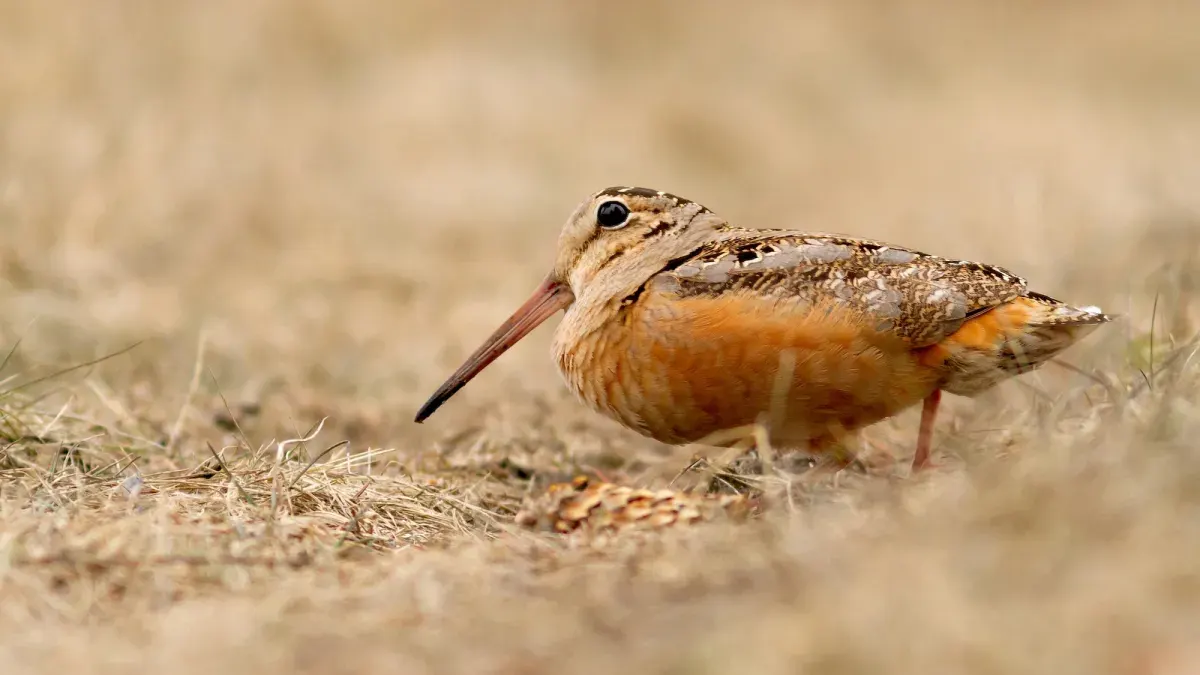
A team led by researchers from Virginia Tech, the Florida Museum of Natural History and the Field Museum has built a DNA-based family tree of woodcocks and snipes, according to eurekalert.org. The work, published in Proceedings of the National Academy of Sciences, covers the 8 living woodcock species and 22 snipe species. eurekalert.org
eurekalert.orgeurekalert.orgOpen source ↗
Woodcocks and snipes belong to the sandpiper family. Most sandpipers migrate thousands of miles every year, but many woodcocks and snipes migrate shorter distances, and some island species do not migrate at all. Of the 8 woodcock species, six live only on islands, said John Bates, curator of birds at the Field Museum's Negaunee Integrative Research Center.
Family tree from museum specimens
The researchers took small tissue samples from the skin of specimens and sequenced their genetic codes. Many of the specimens came from the Field Museum collections, which hold most of the 28 species the authors cite as known. The project began when co-author João Capurucho held a post-doctoral fellowship at the museum.
The Florida Museum team was studying a fossil sandpiper from a cave in Haiti, on the island of Hispaniola. The bird lived there about a thousand years ago. It was initially thought to be a woodcock, but the DNA data showed it is a snipe. eurekalert.org
eurekalert.orgeurekalert.orgOpen source ↗
Spread from north to the tropics
According to Bates, snipes and woodcocks have existed for 20 to 25 million years, and their migratory patterns changed as new species evolved and dispersed. Early ancestors lived in the northern hemisphere. As they moved, they established populations on islands at lower latitudes, which eventually became new species. Many of these species, living closer to the equator, migrated less or not at all.
The authors suggest that snipes from Africa crossed the Atlantic Ocean and founded a lineage of species in South America. They also suggest that snipes crossed the Pacific Ocean and founded a group of species in and around New Zealand.
Habitat relevance
Bates noted that some woodcocks live only in mountain forests on islands between Asia and Australia, and that snipes live in grasslands, which are often converted to pasture and farmland. He said that knowing how these birds evolved their movements is important for future conservation work. eurekalert.org
eurekalert.orgeurekalert.orgOpen source ↗