Milk-derived cells form mammary organoids whose shape and lactation program depend on matrix
Human mammary epithelial cells isolated from breast milk formed organoids in culture. The matrix they grew in set branching or acinar shape and the secretory state.
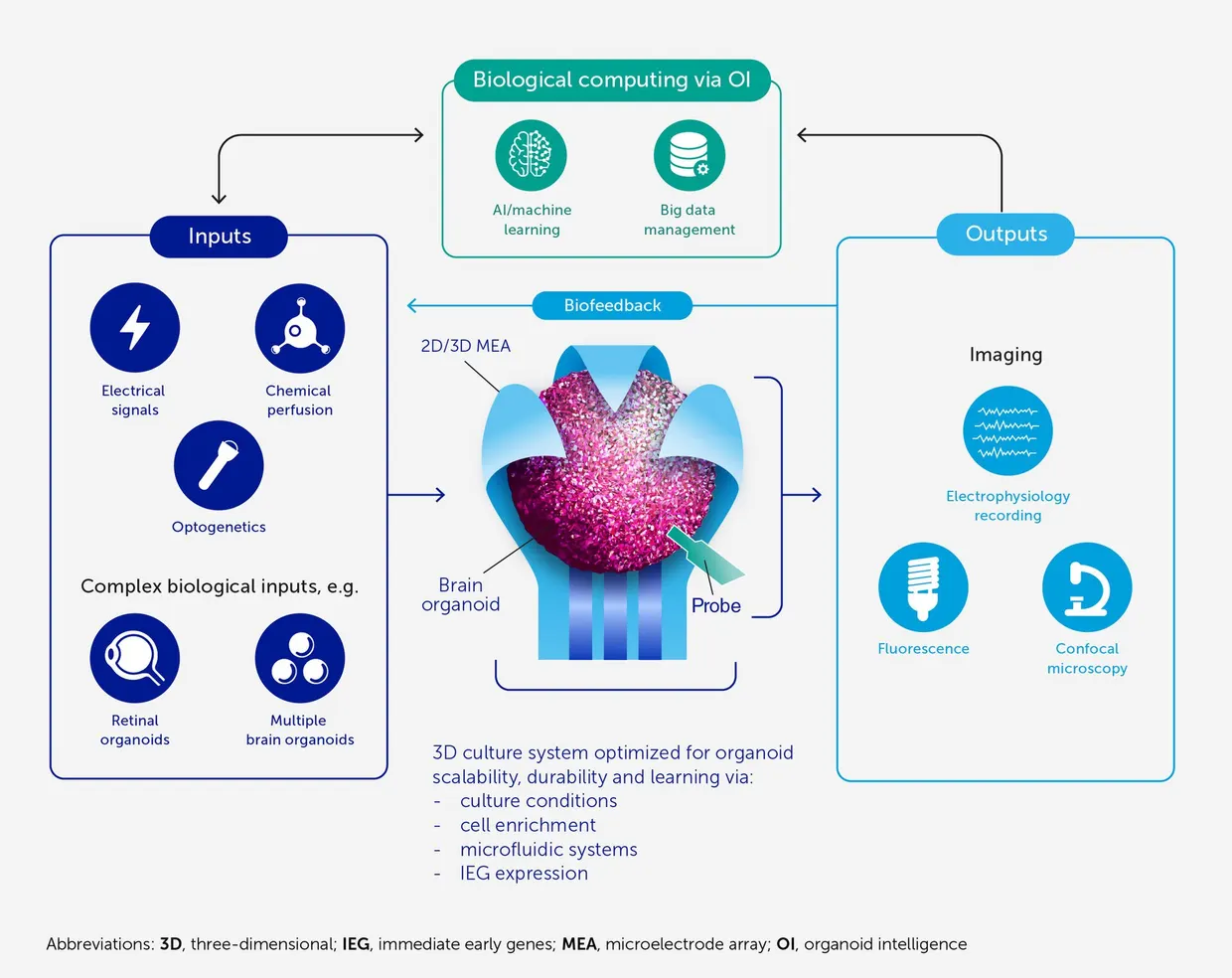
Human mammary epithelial cells (MECs) isolated noninvasively from breast milk spontaneously formed three-dimensional organoids in culture, according to a study in the Journal of Mammary Gland Biology and Neoplasia. After isolation, the cells produced polarized acinar structures and structures resembling terminal duct lobular units springer.com
Journal of Mammary Gland Biology and Neoplasiaspringer.comOpen source ↗. To see how the surrounding matrix shapes them, the authors cultured the cells in three environments: decellularized mammary extracellular matrix (dECM), Matrigel and collagen I.
The mammary gland relies on reciprocal interactions between epithelial cells and the extracellular matrix (ECM) to form and maintain milk-producing tissue, but these processes are hard to study in human model systems. MECs can be obtained from breast milk without invasive procedures. Until now it was unclear whether they form organoids and respond to matrix cues.
Branching in dECM and collagen I
Mammary dECM and collagen I both promoted branching and the alignment of actin along collagen fibrils. Mammary dECM better preserved the luminal-basal organization of the epithelium. A comparative proteomic analysis of bovine and human dECM showed that they contain not only fibrillar collagens but also other ECM components, including basement membrane-associated proteins and proteoglycans.
In the branched milk MEC organoids, breast dECM further supported estrogen receptor-related and cell-cycle pathways springer.com
Journal of Mammary Gland Biology and Neoplasiaspringer.comOpen source ↗.
Matrigel and the secretory phenotype
Matrigel gave a different result. It favored an acinar organoid morphology and a more secretory phenotype, with expression of β-casein and enrichment of lactation-associated transcriptional programs.
The authors conclude that ECM context instructs both organoid geometry and secretory differentiation. They describe breast milk-derived MEC organoids as a human model for studying how ECM architecture and composition regulate mammary morphogenesis and functional state. All results come from cell cultures; the study reports no experiments in living organisms.