Tropic Bioscience used CRISPR–Cas9 to edit three banana genes so the fruit does not brown
Tropic Bioscience of Norwich, UK, switched off polyphenol oxidase in the triploid banana genome. The company reports clearance for growing in Brazil and for sale in Brazil and Japan.
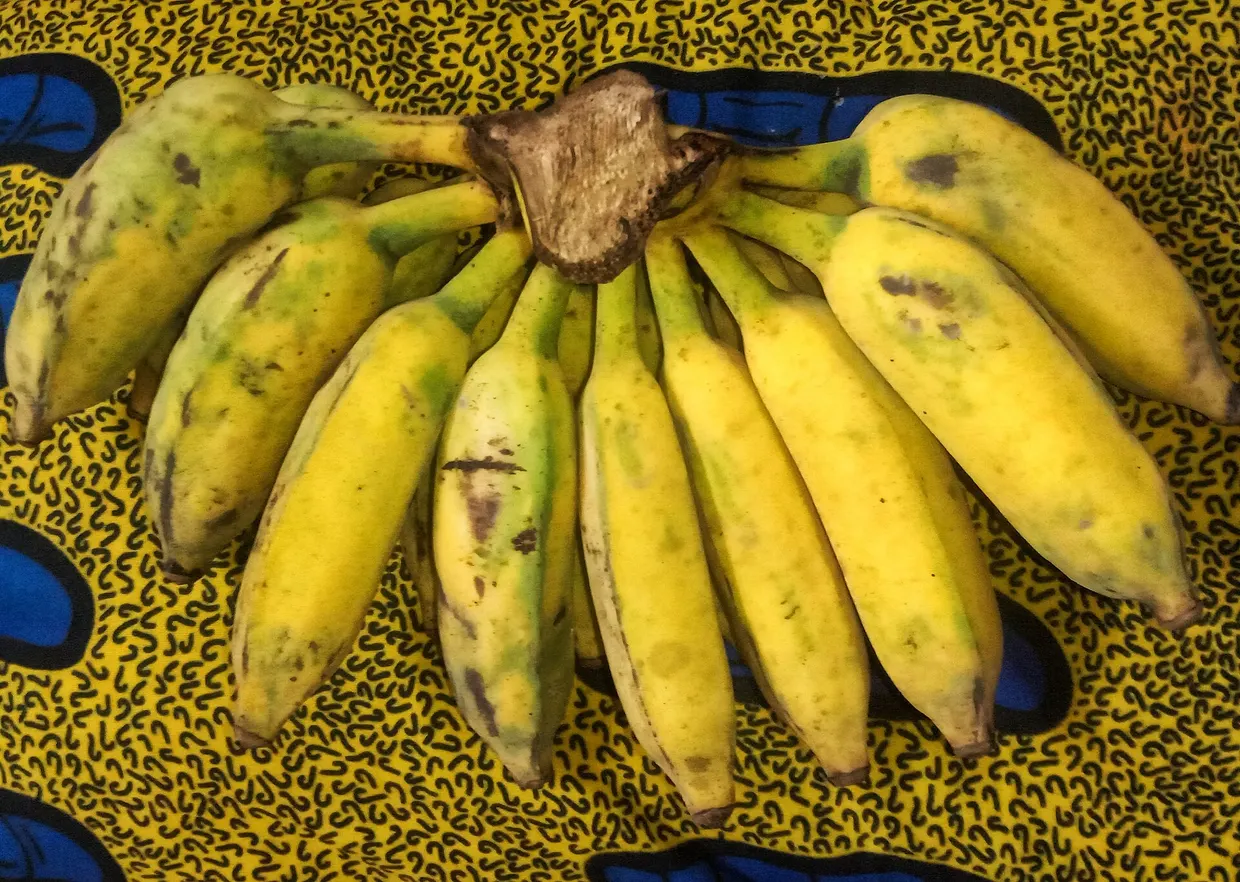
Tropic Bioscience, a biotechnology company based in Norwich, UK, used CRISPR–Cas9 genome editing to modify three genes in the triploid banana genome so that the plant does not produce the enzyme polyphenol oxidase (PPO), according to a commentary available via doi.org nature.com
doi.orgnature.comOpen source ↗. Without PPO, the fruits do not brown. The company claims this is the first new banana variety in more than 75 years. It received permission to grow the plants commercially in Brazil, and the fruit was cleared for import and sale in Brazil and in Japan.
Why ripe bananas brown
Bananas can be kept from ripening for long periods. Because they need ethylene to ripen but produce only small amounts themselves, they are picked green, shipped in cool conditions and ripened in an ethylene-rich environment at the destination. The role of ethylene was shown by Richard Gane, and the transport problem was solved in the 1930s. Once ripe, however, bananas start to rot within days.
The browning is caused by PPO. The enzyme catalyses the dimerization of monophenols, the conversion of o-diphenols to o-quinones, and the polymerization of o-quinones into polyphenols. Normally these reactions do not occur: PPO sits in the thylakoids of chloroplasts, while its phenolic substrates are confined to vacuoles. When cells are damaged or degrade with age, enzyme and substrate meet, and dark-hued polyphenols build up. The physiological function of these pigments is unclear.
Disease and genetic diversity
Commercial bananas are seedless and propagated asexually, so their genetic diversity is low and pandemics of infectious disease are a real risk nature.com
doi.orgnature.comOpen source ↗. For over a century nearly all commercial bananas were Gros Michel, which was susceptible to Panama disease, a fungal wilt caused by Fusarium oxysporum. By the 1950s the more resistant Cavendish had replaced it. In the 1990s a more virulent strain, Fusarium wilt TR4, arose that can destroy Cavendish plantations; its spread is currently contained by strict biosafety regimes.
The commentary lists several routes to TR4 resistance: transgenic Cavendish lines developed by an Australian group, conventional breeding from wild relatives, and editing the endogenous Cavendish genes to resemble resistance genes found in other varieties. The last approach, adopted by Tropic Bioscience, is meant to avoid regulations on genetically modified crops.