UC Davis: Crushed Shells in Sediment Mitigate Ocean Acidification in Clams
In a 90-day laboratory trial, adding shell hash buffered porewater pH and restored normal gene expression in juvenile Pacific littleneck clams.
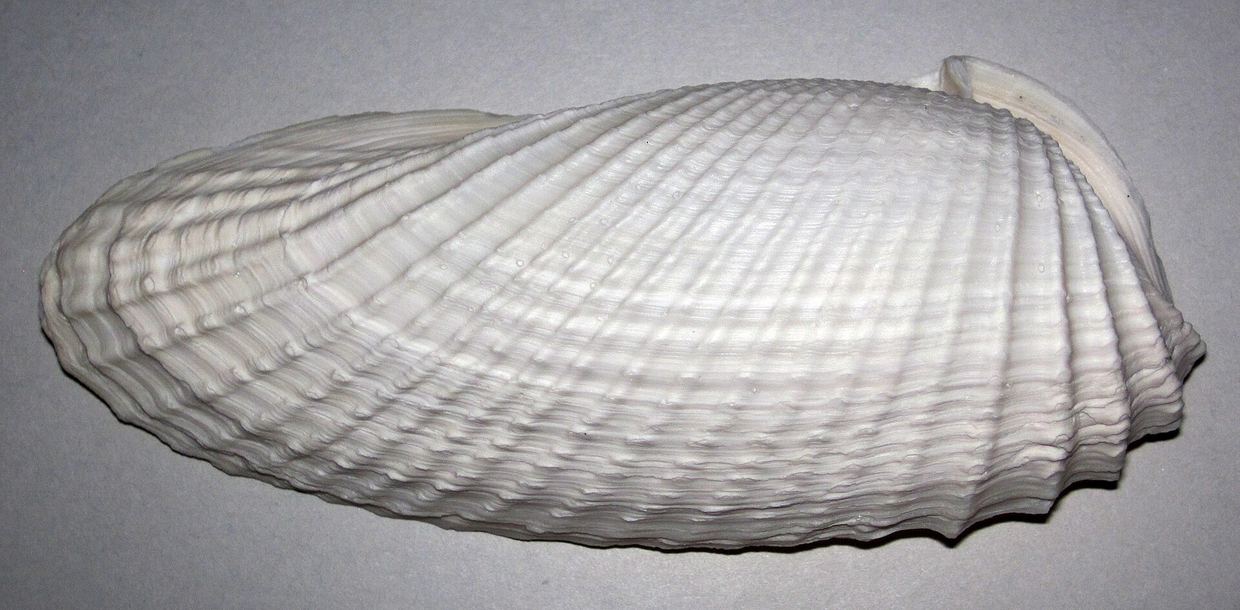
Researchers at the University of California, Davis, tested the effect of adding crushed shells (shell hash) into coastal sediments on juvenile Pacific littleneck clams (Leukoma staminea) exposed to acidified seawater. In a 90-day study published in Biogeosciences, the authors raised pre-sexual maturity clams under four distinct conditions: control seawater with sediment, acidified seawater with sediment, control seawater with sediment mixed with shell hash, and acidified seawater with sediment mixed with shell hash. Throughout the experiment, overlying seawater and interstitial pore water were sampled three times a week for pH, alkalinity, salinity, temperature, and dissolved oxygen doi.org
Biogeosciencesdoi.orgOpen source ↗.
Porewater Chemistry and Clam Growth
Measurements confirmed that the addition of shell hash increased the pH of porewater relative to the control sediments doi.org
Biogeosciencesdoi.orgOpen source ↗. Bivalves that construct calcium carbonate shells experience high energetic costs and potential shell dissolution under low pH conditions. Clams burrowed in acidified seawater supplemented with shell hash grew significantly larger shells than individuals kept in acidified water without shell hash. The authors assessed shell weight, soft tissue weight, and incremental new shell growth to quantify these developmental differences.
Transcriptomic Response in Mantle Tissue
To examine the physiological effects at the molecular level, RNA was extracted from clam mantle tissue—the organ responsible for biomineralization and shell production—after three months for gene sequencing doi.org
Biogeosciencesdoi.orgOpen source ↗. The resulting gene expression profiles showed that clams raised in acidified seawater with shell hash were largely indistinguishable from control animals maintained in non-acidified water
doi.org
Biogeosciencesdoi.orgOpen source ↗. According to the authors, altering the chemistry of sediment pore fluids directly buffers burrowing infauna against acidic conditions, providing experimental validation for traditional coastal stewardship practices.