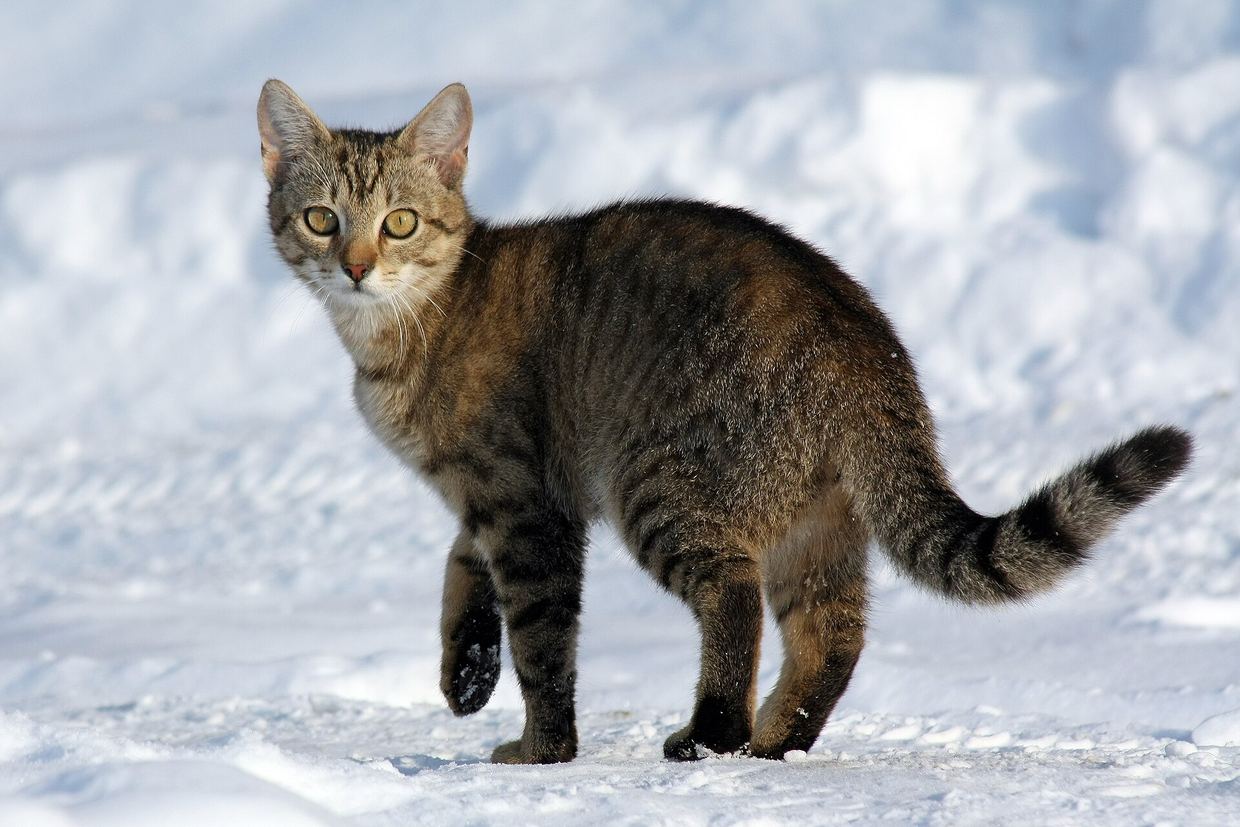
Kyoto University researchers identify four personality types in domestic cats
An analysis of 310 cats revealed a human-like shyness profile combining fear and curiosity, showing complex emotional traits.
Researchers from Kyoto University led by Madoka Hattori published a study on November 4, 2026, in the journal PLOS One examining personality traits in domestic cats (Felis catus). Based on data from source zero, the team evaluated behavioral responses across 310 domestic cats to determine whether emotional patterns comparable to human developmental psychology exist in the species zero.pl
zerozero.plOpen source ↗.
To conduct the assessment, the scientists utilized an online questionnaire distributed to cat owners, adapted from instruments originally designed to evaluate child psychology and development. The survey measured degrees of shyness, fear levels, and willingness to approach unfamiliar people as well as novel objects or toys zero.pl
zerozero.plOpen source ↗.
Four personality categories
The analytical results enabled the team to classify the animals into four primary personality groups based on their behavioral indicators. These categories include highly social individuals with low fear and strong motivation to explore, social individuals showing low fear and moderate approach tendencies, and fearful animals exhibiting high fear paired with negligible intent to make contact zero.pl
zerozero.plOpen source ↗.
The fourth distinct category consists of shy individuals that mirror behaviors described in child psychology. In this group, high levels of fear directly coexist with a pronounced drive to approach unfamiliar people or objects, representing an internal conflict between avoidance and exploratory interest zero.pl
zerozero.plOpen source ↗.
Correlated demographic factors
Statistical patterns identified by the researchers showed that this mixed shyness profile occurred more frequently among male cats than among females. Furthermore, the trait was more prevalent in individuals that had lived as free-roaming animals outdoors before being adopted into homes zero.pl
zerozero.plOpen source ↗.
While shyness in most subjects correlated purely with fear, the documented presence of the conflicted group confirms that domestic cats experience multifaceted emotional states. The authors stated that recognizing these distinct behavioral profiles allows pet owners and shelter staff to adapt living conditions to specific behavioral needs, mitigate stress, and prevent handling errors zero.pl
zerozero.plOpen source ↗.