CGN Connects 150 MW Solar Demonstration Project to the Grid at 4,300 Meters
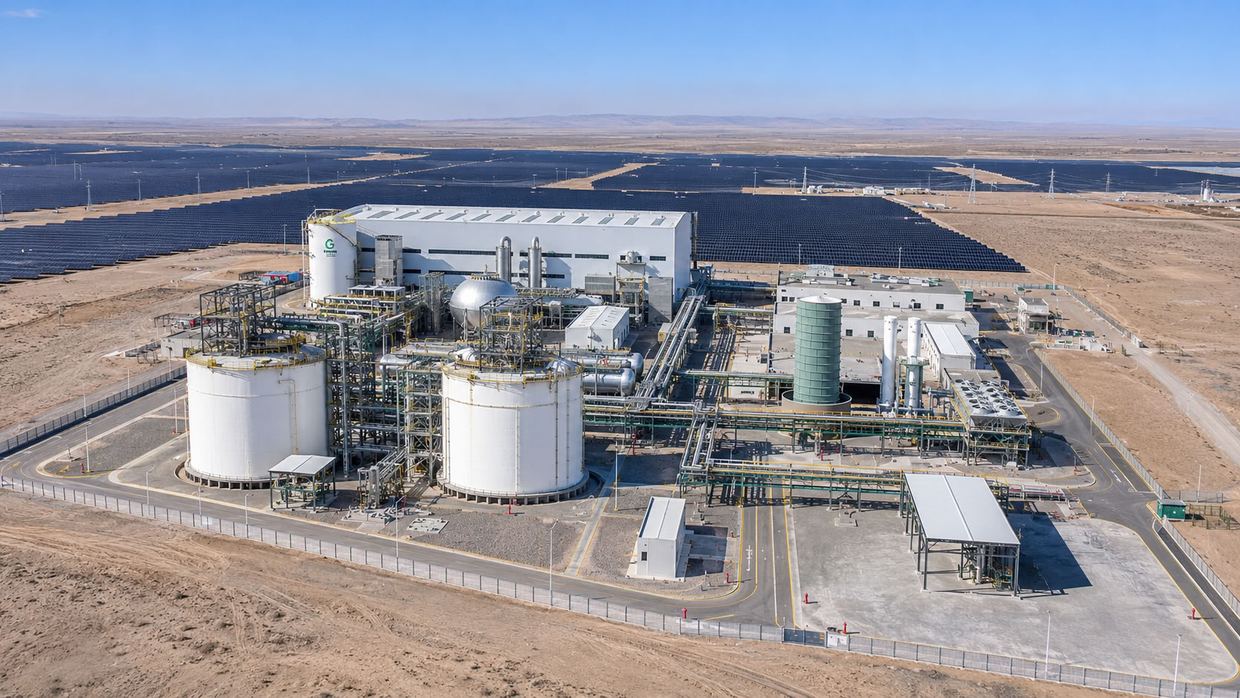
The facility combines 100 MW of photovoltaics with a 50 MW solar thermal system to enable power generation after sunset.
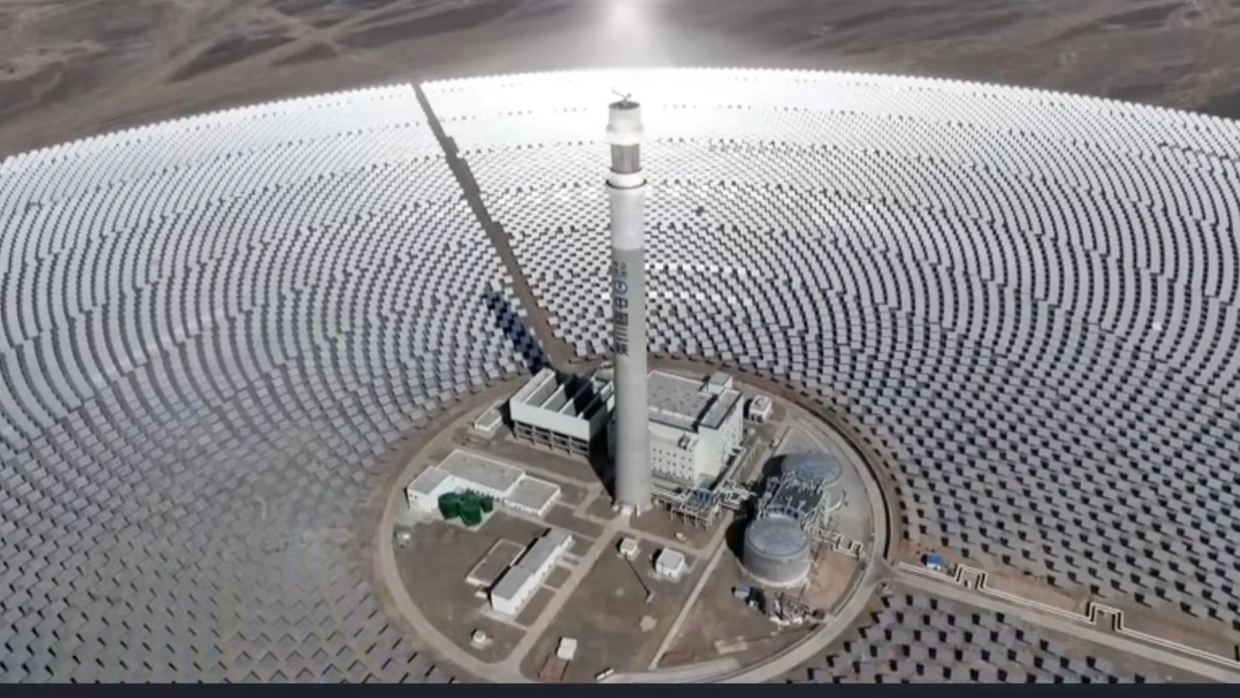
China General Nuclear Power Group (CGN) has connected the first generating unit of a 150 MW hybrid solar demonstration facility to the national grid on November 6, 2026, reported Interesting Engineering interestingengineering.com
Interesting Engineeringinterestingengineering.comOpen source ↗. Located in Gar County, Ngari Prefecture, at an average elevation of 4,300 meters (14,100 feet), the complex integrates a 100 MW photovoltaic plant with a 50 MW solar thermal power station
interestingengineering.com
Interesting Engineeringinterestingengineering.comOpen source ↗. Once fully operational, the site is designed to generate approximately 270 million kilowatt-hours of electricity per year and reduce carbon dioxide emissions by around 168,200 tonnes annually
interestingengineering.com
Interesting Engineeringinterestingengineering.comOpen source ↗.
Molten-salt thermal storage
The solar thermal component implements a photovoltaic-plus-molten-salt-electric-heating configuration interestingengineering.com
Interesting Engineeringinterestingengineering.comOpen source ↗. Instead of relying exclusively on direct mirror concentration to gather heat, electricity generated by the photovoltaic panels is used to heat molten salt
interestingengineering.com
Interesting Engineeringinterestingengineering.comOpen source ↗. This medium stores thermal energy until power is needed, at which point the hot salt supplies heat to a steam-generation system coupled to an electrical turbine
interestingengineering.com
Interesting Engineeringinterestingengineering.comOpen source ↗. According to the International Energy Agency's SolarPACES program, thermal storage allows concentrated solar power systems to dispatch electricity continuously during cloudy weather and after daylight hours
interestingengineering.com
Interesting Engineeringinterestingengineering.comOpen source ↗.
High-altitude operation
Operating at an altitude of 4,300 meters (14,100 feet) involves extreme environmental conditions, including low air density, intense solar radiation, strong winds, substantial day-to-night temperature variations, and cold winters interestingengineering.com
Interesting Engineeringinterestingengineering.comOpen source ↗. CGN noted that constructing and maintaining equipment in oxygen-deficient environments requires adapted methods due to a restricted construction season
interestingengineering.com
Interesting Engineeringinterestingengineering.comOpen source ↗. During the construction phase, the Gar County project employed more than 500 local farmers and herders
interestingengineering.com
Interesting Engineeringinterestingengineering.comOpen source ↗.
Another project on the Tibetan Plateau is situated in Amdo County at an altitude above 4,650 meters, developed by Xizang Development Investment Group interestingengineering.com
Interesting Engineeringinterestingengineering.comOpen source ↗. That separate 100 MW tower-type facility uses 15,927 heliostats spanning over 800,000 square meters to heat molten salt to roughly 560 degrees Celsius, providing eight hours of thermal storage and an expected output of about 260 million kilowatt-hours annually
interestingengineering.com
Interesting Engineeringinterestingengineering.comOpen source ↗.