SNU and Korea University team engineers Ni–N–C catalyst for 3–15% dilute CO2 feeds
Pyridinic-nitrogen enrichment in single-atom catalysts creates a molecular relay that maintains efficient electro-reduction under industrial flue-gas concentrations.
Researchers from Seoul National University, Sogang University, and Korea University demonstrated that molecular-level control of nitrogen environments in Ni–N–C single-atom catalysts enables efficient direct electrochemical reduction of dilute carbon dioxide, according to a study published in Nature Communications doi.org
Nature Communicationsdoi.orgOpen source ↗. Industrial flue gases typically contain 3–15% CO2, conditions under which direct electro-reduction has historically suffered from mass transport limitations and competing hydrogen evolution reactions
doi.org
Nature Communicationsdoi.orgOpen source ↗.
Nitrogen site configuration
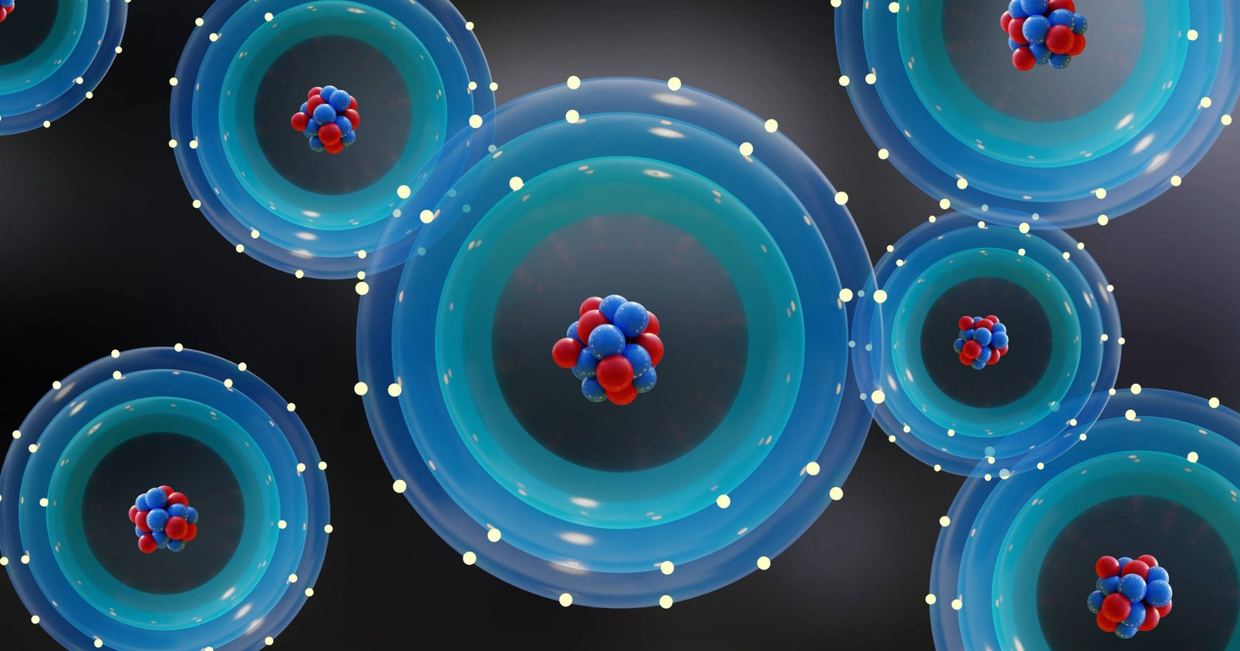
To bypass upstream gas purification, the team focused on regulating the local coordination shell around isolated nickel sites rather than modifying the metal center alone doi.org
Nature Communicationsdoi.orgOpen source ↗. By tuning the ratio of pyridinic nitrogen to pyrrolic nitrogen within well-defined Ni–Nx architectures, the researchers tracked how non-metal atomic neighbors direct reaction kinetics under CO2-starved conditions
doi.org
Nature Communicationsdoi.orgOpen source ↗.
Adduct relay mechanism
Electronic-state analysis and density functional theory calculations revealed that pyridinic nitrogen forms a reversible adduct with carbon dioxide doi.org
Nature Communicationsdoi.orgOpen source ↗. This interaction enhances local CO2 concentration directly adjacent to the active nickel center through a continuous desorption and re-adsorption relay mechanism
doi.org
Nature Communicationsdoi.orgOpen source ↗.
The authors reported that this neighboring motif regulates reactant availability without altering the intrinsic reaction pathway of the Ni–N site doi.org
Nature Communicationsdoi.orgOpen source ↗. The findings establish a transferable molecular design principle for single-atom electrocatalysts operating under low CO2 partial pressures
doi.org
Nature Communicationsdoi.orgOpen source ↗.