Rutgers Study Links Wildfire Smoke PM2.5 in Pregnancy to Autism Diagnosis Risk
An observational study of 893,212 mother-child pairs found that prenatal exposure to wildfire smoke particles corresponds to higher autism rates.
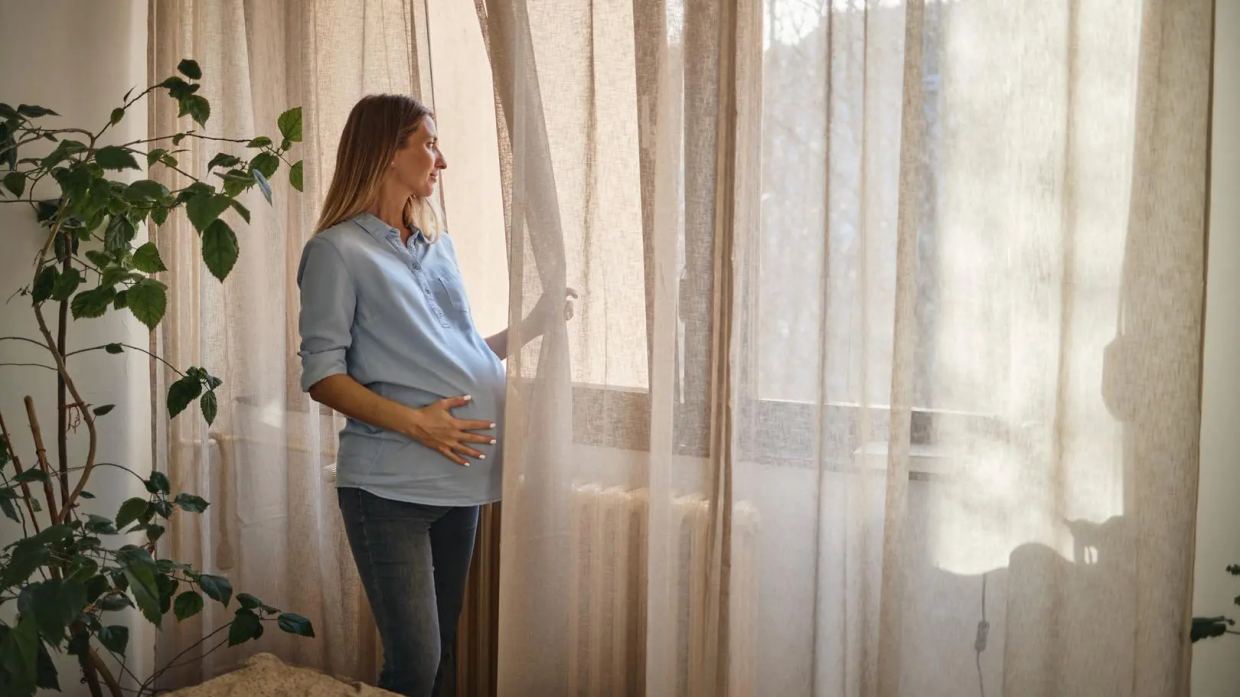
An analysis of healthcare data by researchers from Rutgers University in the United States demonstrated an association between prenatal exposure to fine particulate matter from wildfire smoke and an increased rate of subsequent autism diagnosis in children. The study evaluated 893,212 mother-child pairs enrolled in the Medicaid program, with births occurring between 2007 and 2014, as reported by Dzień Dobry TVN based on findings published in JAMA Pediatrics dziendobry.tvn.pl
Dzień Dobry TVNdziendobry.tvn.plOpen source ↗.
According to the team, every increase of 0.75 micrograms per cubic meter in average wildfire-derived PM2.5 concentration during pregnancy corresponded to a 30 percent higher rate of a child receiving an autism diagnosis dziendobry.tvn.pl
Dzień Dobry TVNdziendobry.tvn.plOpen source ↗. The correlation appeared most pronounced for exposures occurring during the second and third trimesters, specifically after the 15th gestational week
dziendobry.tvn.pl
Dzień Dobry TVNdziendobry.tvn.plOpen source ↗.
Exposure metrics and air pollution
The researchers focused on fine particulate matter measuring 2.5 micrometers or smaller (PM2.5) originating from wildfires. These particles penetrate deep into lung tissue and are capable of inducing systemic inflammation throughout the body, though the investigators did not directly examine these biological pathways in this cohort dziendobry.tvn.pl
Dzień Dobry TVNdziendobry.tvn.plOpen source ↗.
The dataset incorporated modeled estimates of weekly wildfire smoke concentrations mapped to the residential postal codes of participants across the continental United States. The authors noted that ambient PM2.5 generated by non-wildfire sources showed a weaker statistical correlation with autism diagnoses than particles attributable directly to fires dziendobry.tvn.pl
Dzień Dobry TVNdziendobry.tvn.plOpen source ↗.
Study limitations and recommendations
The work was observational and does not prove that wildfire smoke causes autism spectrum disorders dziendobry.tvn.pl
Dzień Dobry TVNdziendobry.tvn.plOpen source ↗. The authors also highlighted that limiting the cohort to Medicaid recipients may constrain how widely the observations apply to other populations
dziendobry.tvn.pl
Dzień Dobry TVNdziendobry.tvn.plOpen source ↗. Unmeasured confounding factors and uncertainties in geographic smoke exposure modeling remain potential sources of statistical error.
Lead investigator Stefania Papatheodorou from the Rutgers School of Public Health suggested that pregnant individuals monitor local air quality reports during fire events. Suggested protective measures include limiting outdoor time during smoke episodes, using indoor air filtration systems, and utilizing fitted particulate masks when going outdoors dziendobry.tvn.pl
Dzień Dobry TVNdziendobry.tvn.plOpen source ↗.