Biologists alter giant silk moth wing patterns and shape using heparin injections
In a seven-year study of over 700 moths, researchers altered wing outlines and enhanced eyespots by manipulating Wnt signaling.
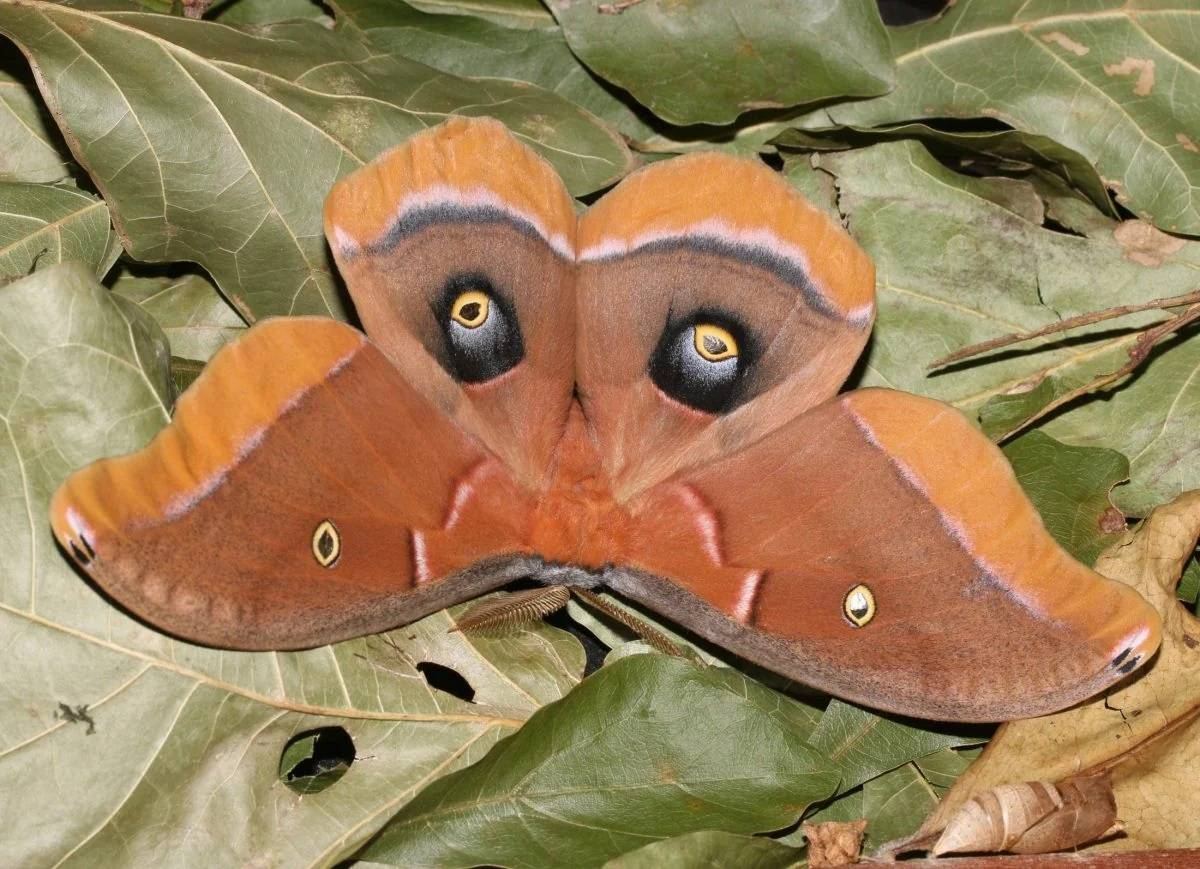
Biologists at the Florida Museum of Natural History have demonstrated that slight changes in developmental signaling pathways can alter both the markings and the physical shape of moth wings, albayan.ae reported. Led by Andrei Sourakov and published in the journal Evolution & Development, the seven-year study examined over 700 giant silk moths to observe phenotypic transformations induced during pre-pupal and pupal stages albayan.ae
albayan.aealbayan.aeOpen source ↗.
Sourakov reared two species from eggs: the Luna moth (Actias luna) and the Polyphemus moth (Antheraea polyphemus). The experimental procedure involved microinjections of sulfated polysaccharides, specifically heparin and dextran sulfate, which amplify the activity of Wnt family signaling proteins. After two years of adjusting timing and dosages, the treatment produced structural alterations alongside shifts in pigmentation albayan.ae
albayan.aealbayan.aeOpen source ↗.
Phenotypic changes and pattern transformation
In treated specimens, cryptic camouflage patterns converted into prominent warning signals. In Antheraea polyphemus, yellow borders around the forewing spots thickened, adjacent brown scales lightened toward white, and the dark margins framing the hindwing eyespots expanded albayan.ae
albayan.aealbayan.aeOpen source ↗. In Actias luna, circular eyespots gained darker, denser edges, while their characteristic tails grew substantially wider than typical baselines
albayan.ae
albayan.aealbayan.aeOpen source ↗.
Altering the physical outline of lepidopteran wings through chemical manipulation had not been previously documented in experiments. While earlier research showed that heparin causes eyespots to disappear in certain butterflies, giant silk moths exhibited the opposite reaction, indicating divergent evolutionary development for these defensive features despite their shared protective roles albayan.ae
albayan.aealbayan.aeOpen source ↗.
Mechanism of wing development
Sourakov pointed to the Wingless protein as a likely regulator of these morphological shifts. Wingless controls tissue growth boundaries during early development and orchestrates targeted cell death along wing margins, which sculpts the final wing outline. The findings suggest that existing developmental pathways can be repurposed without requiring entirely new genetic mechanisms, offering a plausible model for how moths alternate rapidly between mimicry and aposematic defenses albayan.ae
albayan.aealbayan.aeOpen source ↗.