UC San Diego finds macaques avoid feces-like food after viral outbreak
Researchers demonstrated that monkeys exposed to an epidemic become significantly more cautious around visually contaminated food.
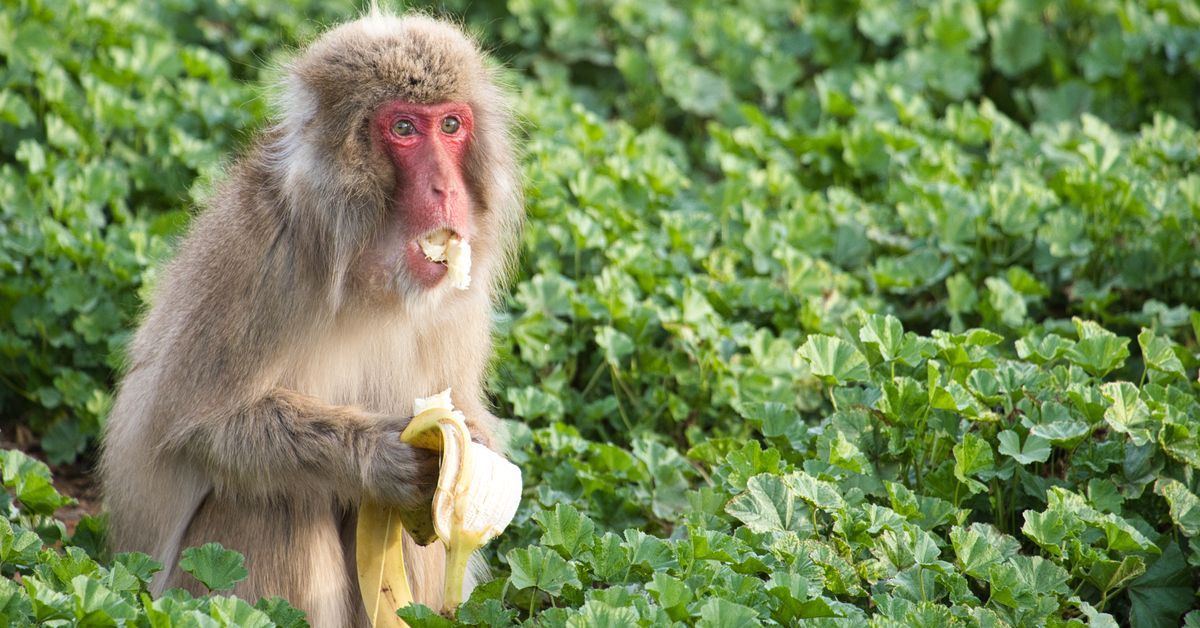
Cognitive scientists at the University of California San Diego evaluated pathogen-avoidance behavior in Japanese macaques following a deadly viral epidemic, according to today.ucsd.edu today.ucsd.edu
today.ucsd.edutoday.ucsd.eduOpen source ↗. The study, published in Royal Society Open Science, analyzed groups at a primate sanctuary in southern Texas where simian retrovirus Type II spread in 2020. The pathogen transmits through bites and scratches rather than digestion, causing an immunodeficiency condition that led to illness and fatalities among some groups
today.ucsd.edu
today.ucsd.edutoday.ucsd.eduOpen source ↗.
Outbreak experience and foraging choices
Researchers tested 55 Japanese macaques by presenting a choice between food placed on a clean wooden board and food on a surface covered with real macaque feces sealed beneath clear epoxy today.ucsd.edu
today.ucsd.edutoday.ucsd.eduOpen source ↗. The resin preserved visual contamination cues while eliminating olfactory signals and genuine infection risks
today.ucsd.edu
today.ucsd.edutoday.ucsd.eduOpen source ↗. Control trials substituted the clean surface with a brightly colored kitchen sponge to rule out general neophobia
today.ucsd.edu
today.ucsd.edutoday.ucsd.eduOpen source ↗.
Macaques from the three groups exposed to the outbreak took food from the contaminated-looking surface in 47% of trials today.ucsd.edu
today.ucsd.edutoday.ucsd.eduOpen source ↗. In contrast, monkeys from an unexposed group selected food from the simulated feces surface in 79% of trials
today.ucsd.edu
today.ucsd.edutoday.ucsd.eduOpen source ↗. Monkeys within exposed groups exhibited similar avoidance rates whether or not they had contracted the infection personally
today.ucsd.edu
today.ucsd.edutoday.ucsd.eduOpen source ↗.
Rearing history and pathogen avoidance
A second experiment evaluated 54 macaques from seven species across distinct rearing backgrounds to assess early developmental influences today.ucsd.edu
today.ucsd.edutoday.ucsd.eduOpen source ↗. The cohort included sanctuary-born animals, laboratory animals, zoo-born monkeys, and former pets
today.ucsd.edu
today.ucsd.edutoday.ucsd.eduOpen source ↗. Former pets raised by humans without maternal care consumed contaminated-looking food significantly more often than sanctuary-born animals raised by macaque mothers
today.ucsd.edu
today.ucsd.edutoday.ucsd.eduOpen source ↗.