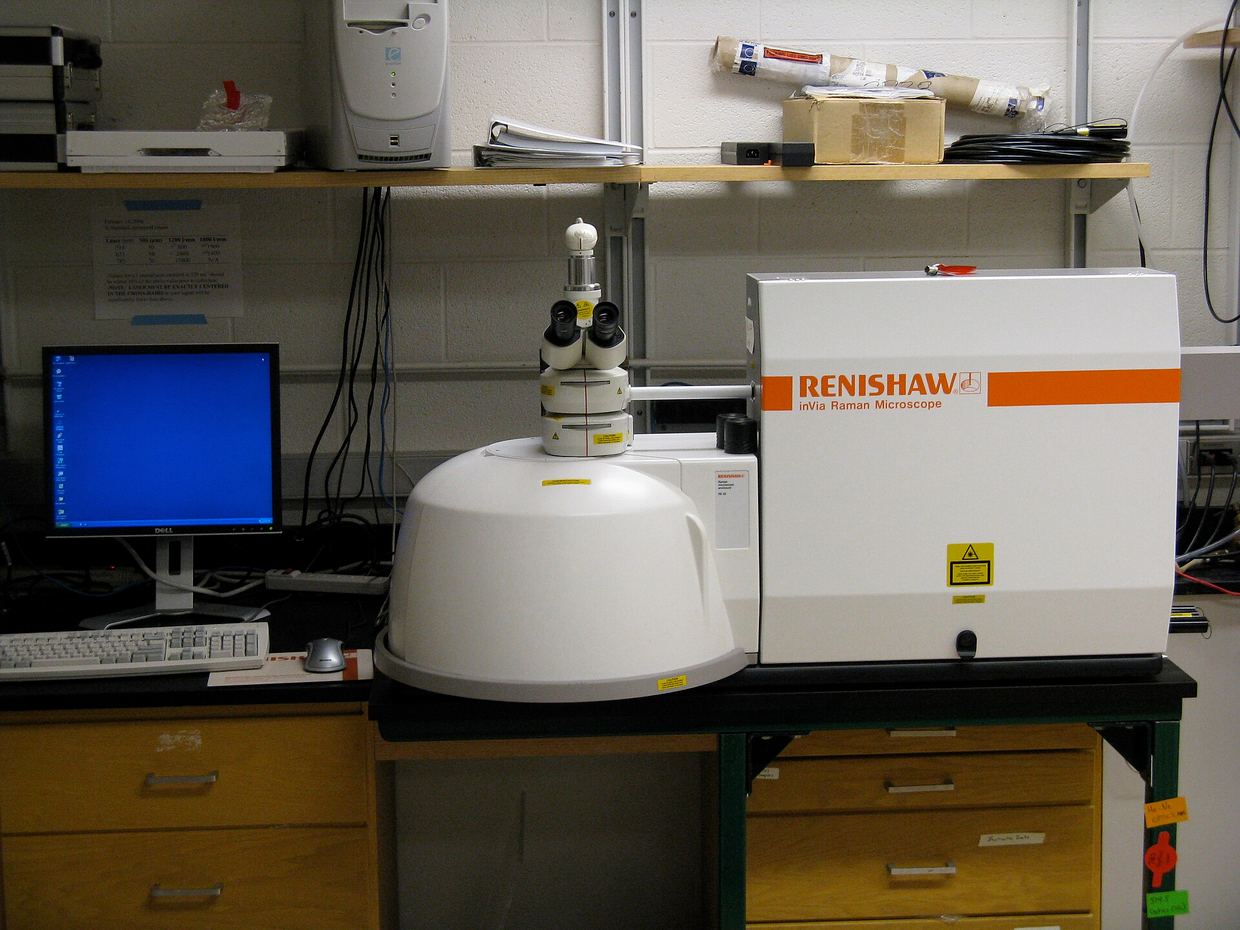
BEUN and Medipol University Patent Four Tyrosine Kinase Inhibitor Candidates in Europe
Turkish researchers have synthesized four candidate molecules that suppressed lung, breast, and prostate cancer cells in in vitro tests.
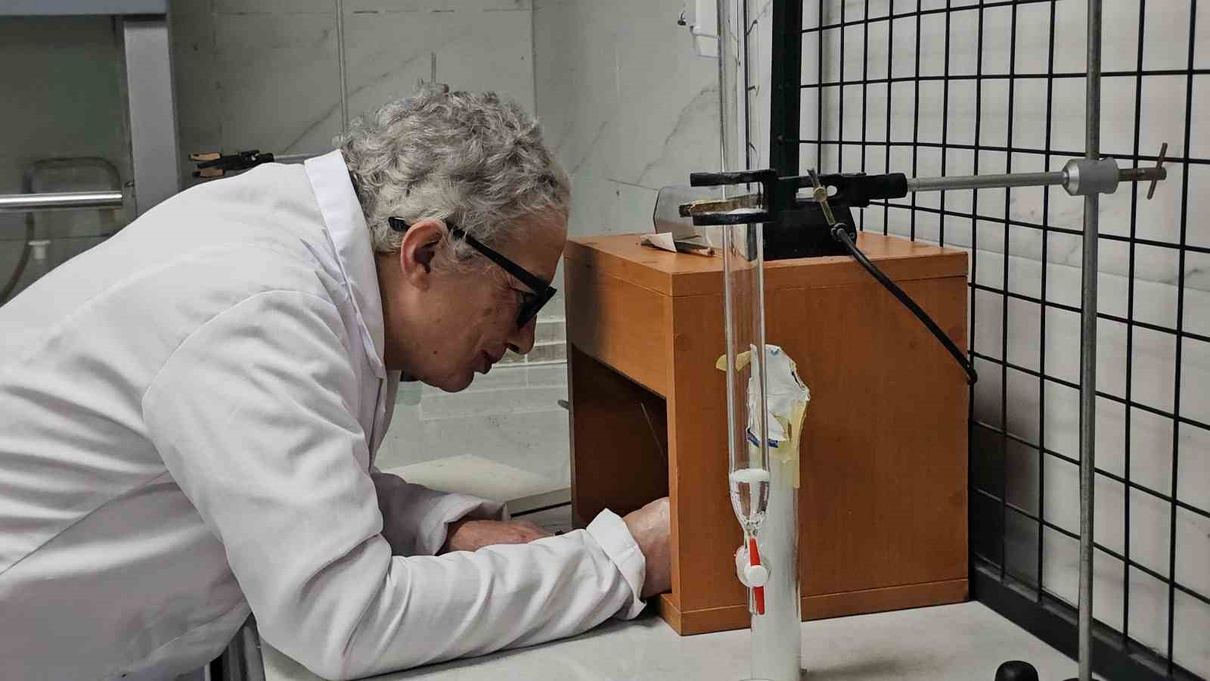
Researchers from Zonguldak Bülent Ecevit University (BEUN) and Istanbul Medipol University have secured a European patent for four newly synthesized candidate molecules designed for oncology therapeutics, as reported by Son Dakika sondakika.com
Son Dakikasondakika.comOpen source ↗. The compounds were developed under a research initiative focused on the synthesis of novel tyrosine kinase inhibitors and the assessment of their biological activity
sondakika.com
Son Dakikasondakika.comOpen source ↗. The initial synthesis of the chemical structures was carried out in Zonguldak, while in vitro biological activity tests were conducted in Istanbul
sondakika.com
Son Dakikasondakika.comOpen source ↗.
Mechanism and In Vitro Activity
The initiative targeted tyrosine kinase enzymes, which regulate signaling pathways associated with cell growth, division, and metastasis sondakika.com
Son Dakikasondakika.comOpen source ↗. By inhibiting these enzymatic targets, the synthesized chemical entities prevented the proliferation of cancer cell lines during laboratory evaluations
sondakika.com
Son Dakikasondakika.comOpen source ↗.
According to the investigators, laboratory assays demonstrated marked antiproliferative effects against breast, prostate, and lung cancer cells sondakika.com
Son Dakikasondakika.comOpen source ↗. The properties and binding behaviors of the four distinct compounds were characterized through both experimental and computational modeling methods
sondakika.com
Son Dakikasondakika.comOpen source ↗.
Intellectual Property and Development Pipeline
The project, supported by Scientific Research Projects (BAP) funding and ongoing since 2018, aims to reduce off-target side effects common to existing treatments while maintaining therapeutic efficacy sondakika.com
Son Dakikasondakika.comOpen source ↗. Following an initial filing with the Turkish Patent and Trademark Office, the intellectual property rights for the four novel compounds have now been recognized by the European Patent Office
sondakika.com
Son Dakikasondakika.comOpen source ↗.
The project remains at the preclinical in vitro stage sondakika.com
Son Dakikasondakika.comOpen source ↗. For any of the four patented candidate molecules to progress toward clinical therapy, they will require further in vivo pharmacokinetic and toxicity testing before being evaluated in human clinical trials
sondakika.com
Son Dakikasondakika.comOpen source ↗.