UC San Diego Tests Ketamine-Assisted Mindfulness for Opioid Use Disorder in Phase 2 Trial
A clinical trial evaluated ketamine injections combined with telehealth mindfulness training, demonstrating fewer drug use instances in patients receiving buprenorphine.
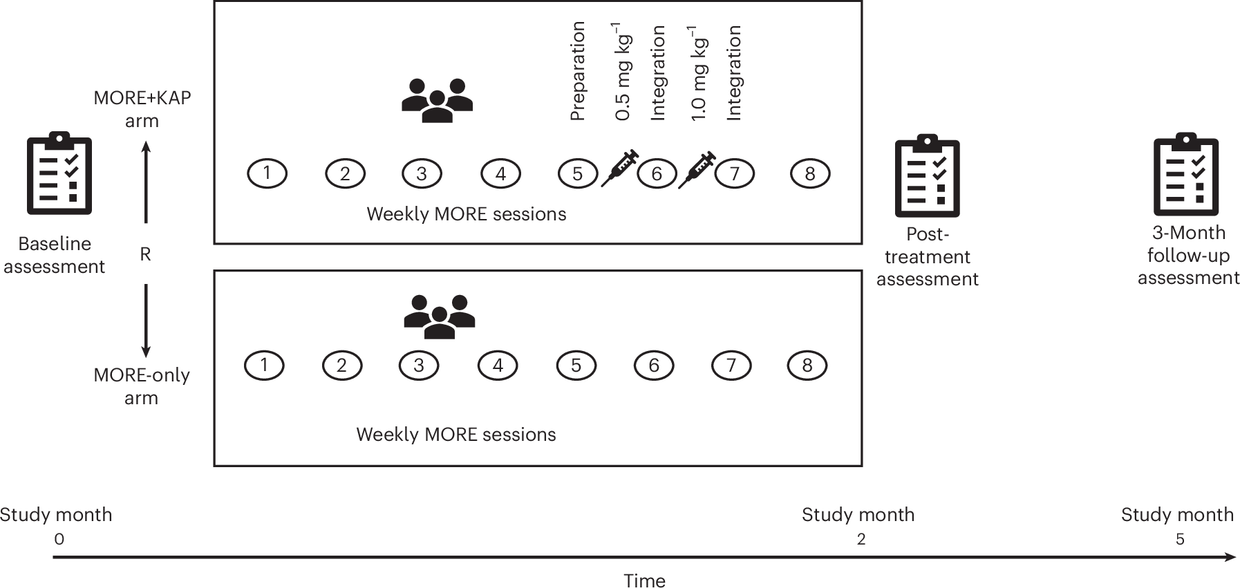
Researchers from the University of California San Diego evaluated the safety and preliminary efficacy of combining ketamine-assisted psychotherapy with Mindfulness-Oriented Recovery Enhancement (MORE) for patients with opioid use disorder. According to the study published by nature.com, the single-blinded randomized clinical trial included 68 adults who were receiving buprenorphine maintenance therapy nature.com
nature.comnature.comOpen source ↗. Participants were assigned to either MORE alone or MORE paired with two ketamine sessions.
All participants took part in eight weeks of MORE training delivered via telehealth videoconferencing, focusing on mindfulness, cognitive reappraisal, and positive savoring techniques nature.com
nature.comnature.comOpen source ↗. In the combined intervention arm, patients received an intramuscular ketamine dose of 0.5 mg/kg after week five, followed one week later by a second dose of up to 1.0 mg/kg
nature.com
nature.comnature.comOpen source ↗. The investigators observed no serious ketamine-related adverse events throughout the trial protocol.
Behavioral Outcomes and Craving Reduction
The primary outcome assessed instances of drug use, while secondary measures tracked cravings, psychological distress, affective states, and buprenorphine adherence nature.com
nature.comnature.comOpen source ↗. The group receiving MORE plus ketamine reported significantly fewer instances of drug use following the intervention and exhibited lower opioid cravings during follow-up compared to the MORE-only group
nature.com
nature.comnature.comOpen source ↗. No significant differences between the two study arms were detected regarding overall psychological distress or buprenorphine consumption levels.
Subjective Effects and Therapeutic Mechanisms
Participants in the ketamine-assisted arm reported greater enhancements in mindfulness-related psychological processes nature.com
nature.comnature.comOpen source ↗. During the active administration sessions, 85% of participants reported undergoing a full mystical experience, an outcome that statistically predicted subsequent reductions in opioid cravings
nature.com
nature.comnature.comOpen source ↗. The authors concluded that adjunctive intramuscular ketamine administration is safe under clinical monitoring and may augment standard behavioral recovery outcomes for opioid use disorder
nature.com
nature.comnature.comOpen source ↗.