MIT researchers assemble 7-meter structure using origami-inspired aluminum blocks
Engineers developed modular origami blocks cut from flat aluminum sheets, creating rigid self-supporting structures without welding.
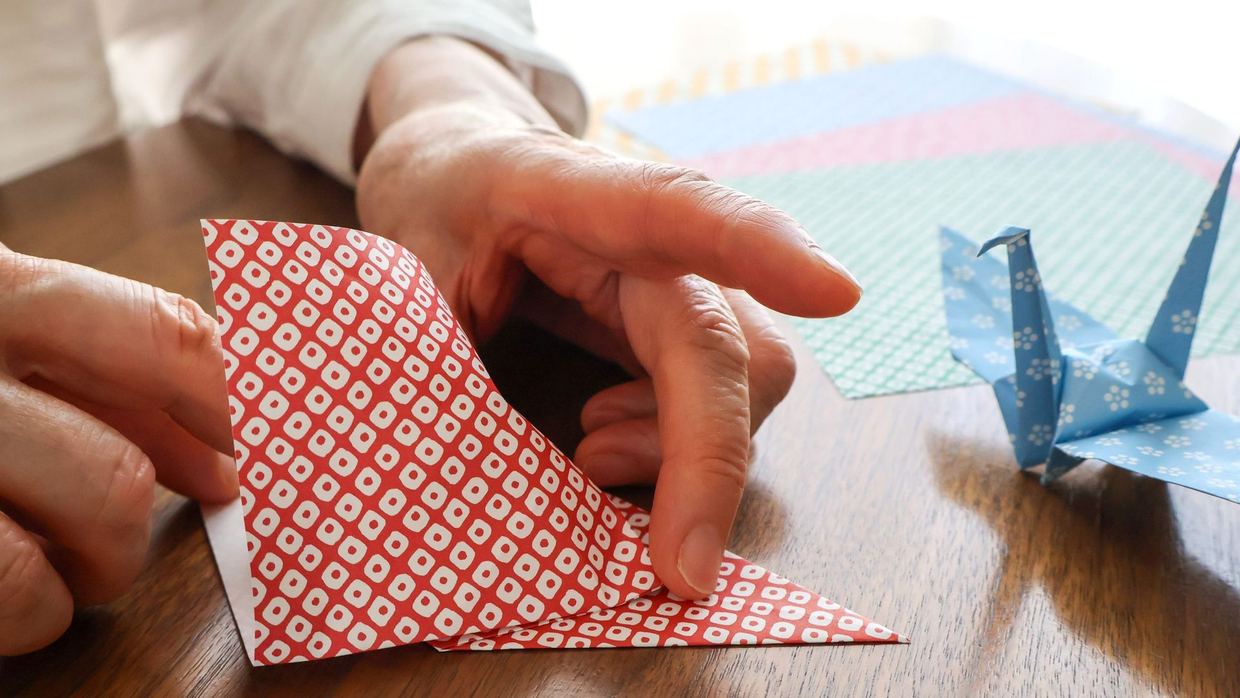
Researchers at the MIT Center for Bits and Atoms, together with collaborators from Italy, Austria, and Japan, have developed a construction method based on folded metal blocks, reports Earth.com earth.com
Earth.comearth.comOpen source ↗. The approach adapts folding patterns developed by artist and scientist Ron Resch in the 1960s. Instead of folding an entire surface from a single sheet, the team creates individual modular units from flat aluminum that fold and lock together with ordinary hand tools
earth.com
Earth.comearth.comOpen source ↗. To demonstrate scalability, the researchers fabricated and assembled a 7-meter (23-foot) sculpture displayed at the Boston Public Library
earth.com
Earth.comearth.comOpen source ↗.
Computational modeling and geometry
The building blocks are formed by pairing two tripod-shaped units derived from Resch's geometry, which locks the folds into a rigid element earth.com
Earth.comearth.comOpen source ↗. When connected, the components produce a hexagonal grid of interwoven beams capable of forming curved surfaces, including domes, without internal columns. To automate fabrication, the team wrote software that calculates the shape of each block, verifies foldability, and outputs files for computer-controlled milling machines
earth.com
Earth.comearth.comOpen source ↗. Assembly requires only simple tools like screwdrivers, with no welding equipment needed on-site.
Mechanical characteristics and scaling
According to computer simulations, shells assembled with this technique demonstrated roughly 3.5 times higher stiffness than structures built using alternative origami-based approaches, while consuming about two-thirds as much material earth.com
Earth.comearth.comOpen source ↗. The researchers noted that parts can be flat-packed for transport and assembled by workers without formal construction experience
earth.com
Earth.comearth.comOpen source ↗. The method was published in the International Journal of Solids and Structures. Further research aims to test the folded elements on full-scale buildings, evaluate more complex block geometries, and explore applications in aircraft parts, modular robotics, and sound-damping panels
earth.com
Earth.comearth.comOpen source ↗.