Study links active brown fat to lower rates of anxiety and depression
Retrospective analysis of over 100,000 patients revealed that detectable brown adipose tissue correlates with reduced psychiatric diagnoses.
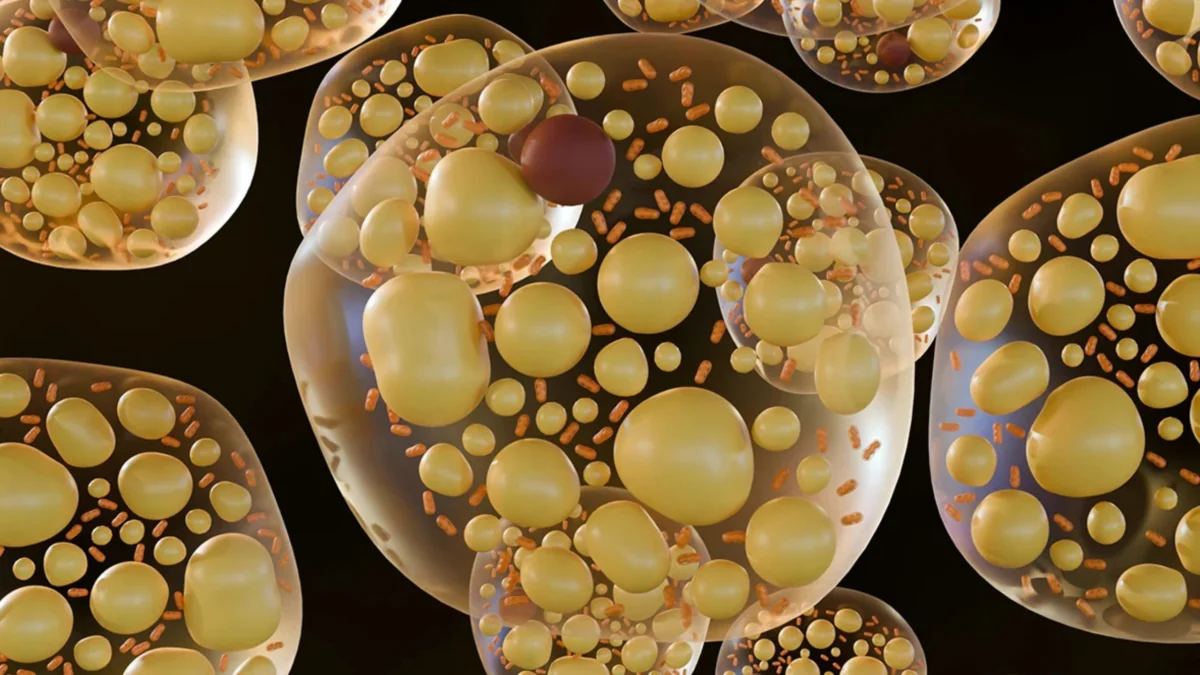
A retrospective clinical analysis of records from 101,243 patients at Memorial Sloan Kettering Cancer Center showed that the presence of detectable brown adipose tissue correlates with a reduced prevalence of psychiatric and cardiometabolic conditions doi.org
Naturedoi.orgOpen source ↗. The findings, published in Nature, evaluated diagnostic records alongside positron emission tomography and computed tomography scans. Across matched cohorts adjusted for age, sex, body mass index, and ambient outdoor temperature, depressive episode diagnoses were recorded in 5.4 percent of patients with detectable brown fat compared to 8.2 percent of those without it
doi.org
Naturedoi.orgOpen source ↗. Anxiety disorders were also diagnosed less frequently among individuals with detectable brown adipose tissue.
Metabolic profiles and regional depots
Unlike white adipose tissue, brown adipose tissue dissipates energy via thermogenesis doi.org
Naturedoi.orgOpen source ↗. In a subset of approximately 8,700 patients, researchers quantified brown fat volume and glucose uptake across six anatomical regions
doi.org
Naturedoi.orgOpen source ↗. Higher overall activity, particularly in the axillary depot, was linked to lower odds of cardiometabolic diseases and more favorable distribution of white fat. Patients displaying active brown adipose tissue demonstrated improved glycemic parameters, better lipid profiles, decreased inflammatory markers, and superior echocardiographic indices compared to individuals without detectable deposits
doi.org
Naturedoi.orgOpen source ↗.
Pharmacological associations and cell models
Evaluation of medication records indicated that patients receiving selective serotonin reuptake inhibitors were less likely to present with detectable brown fat doi.org
Naturedoi.orgOpen source ↗. Conversely, prescriptions for angiotensin receptor blockers correlated positively with tissue presence. In laboratory cell cultures and mouse models, the blood pressure medication losartan increased brown adipocyte activity and elevated whole-body energy expenditure
doi.org
Naturedoi.orgOpen source ↗. The authors emphasized that because the study design was retrospective and limited to a oncology center cohort where women comprised over three-quarters of matched groups, the observed correlations do not establish direct causality
doi.org
Naturedoi.orgOpen source ↗.