NC State Identifies Prionus Imbricornis Larvae Destroying Blueberry Roots
DNA barcoding confirmed that longhorn beetle larvae infesting North Carolina blueberry crops belong to Prionus imbricornis, guiding targeted pesticide development.
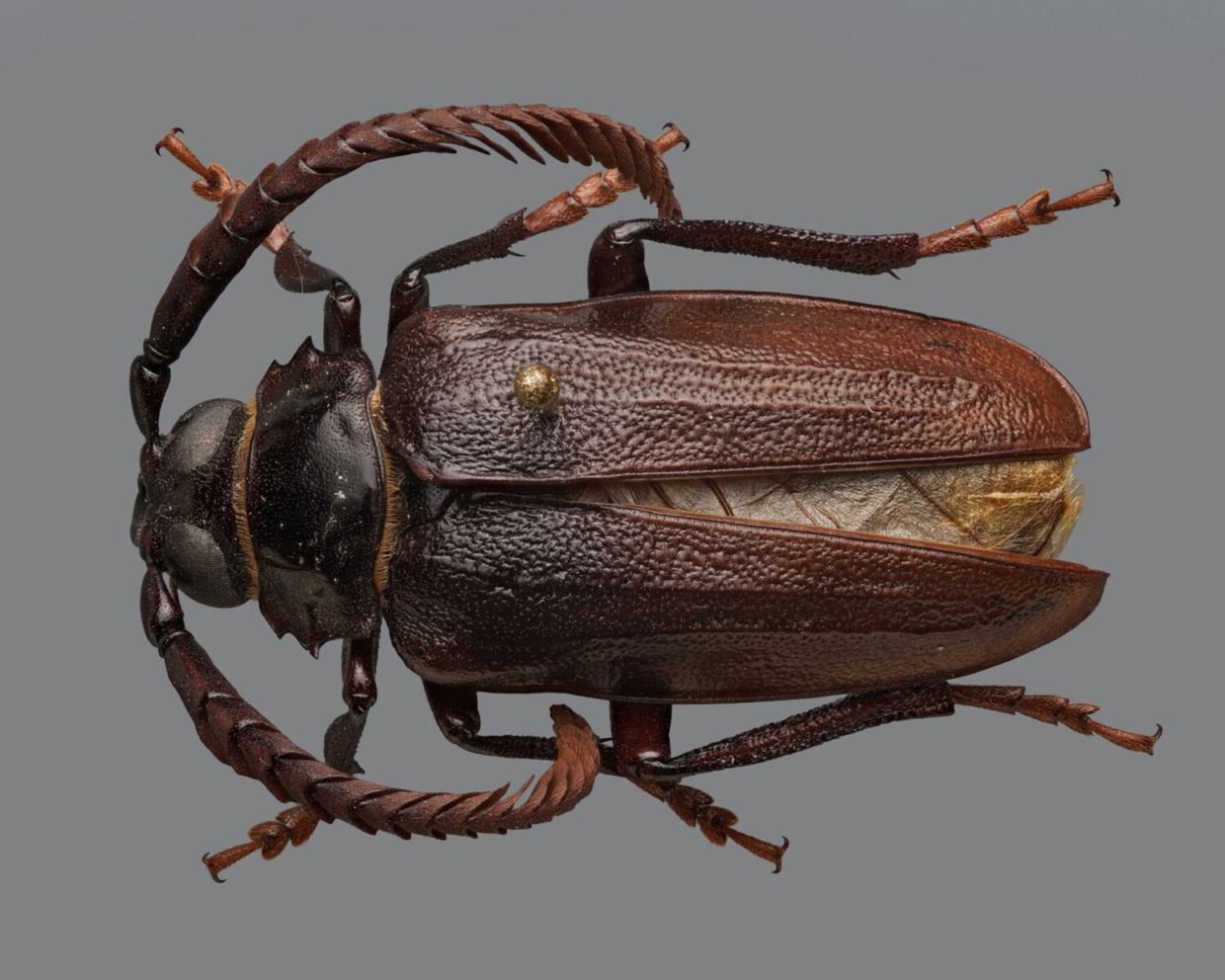
Researchers from North Carolina State University have identified the destructive larvae damaging commercial blueberry bushes in North Carolina as Prionus imbricornis, a species of longhorn beetle ncsu.edu
news.ncsu.edunews.ncsu.eduOpen source ↗. The findings, published in the Journal of Integrated Pest Management, mark the first documented case of this hardwood-boring insect actively feeding on highbush blueberry (Vaccinium corymbosum) roots, according to news.ncsu.edu. While adult beetles do not feed, their subterranean larvae can grow up to five inches long, consuming plant root systems and potentially killing mature bushes
ncsu.edu
news.ncsu.edunews.ncsu.eduOpen source ↗.
Although damage to blueberry roots by unidentified Prionus larvae had been observed across the region since 2010, morphological identification remained unreliable due to the visual similarity among longhorn beetle larvae ncsu.edu
news.ncsu.edunews.ncsu.eduOpen source ↗. Lead author Kenneth Geisert noted that previous pest management relied on assumptions derived from adult insects trapped near crops, risking ineffective treatments and damage to non-target insect species.
Genetic Barcoding and Field Trapping
To resolve the taxonomic ambiguity, the research team deployed black panel flight traps baited with sex pheromones across six commercial farms located in Pender, Sampson, Bladen, and New Hanover counties ncsu.edu
news.ncsu.edunews.ncsu.eduOpen source ↗. The investigators then performed DNA barcoding on the collected subterranean larvae, analyzing standardized mitochondrial DNA segments against reference profiles established from trapped adult beetles
ncsu.edu
news.ncsu.edunews.ncsu.eduOpen source ↗.
The genetic analysis yielded a 98% to 99% sequence identity match to adult Prionus imbricornis, definitively tying the subterranean root destruction directly to this single species ncsu.edu
news.ncsu.edunews.ncsu.eduOpen source ↗. Direct identification eliminates cross-species confusion and provides an accurate baseline for investigating the insect's localized life cycle and reproductive behavior within agroecosystems.
Treatment Limitations and Field Trials
Precise species identification highlighted a significant regulatory gap for local agriculture: no chemical insecticides are currently labeled or approved for controlling Prionus species in commercial blueberry cultivation ncsu.edu
news.ncsu.edunews.ncsu.eduOpen source ↗. Because larvae remain protected beneath the soil surface, standard surface spray regimes are ineffective against established populations.
Co-author Lorena Lopez has initiated active field trials to evaluate candidate insecticides and target vulnerable developmental windows ncsu.edu
news.ncsu.edunews.ncsu.eduOpen source ↗. The team aims to coordinate application schedules with the adult reproductive cycle, suppressing newly hatched larvae before they penetrate root tissue to prevent severe damage to crops.