Researchers find over 700 plant species in southern Ukraine cemeteries and over 400 in Chornobyl zone
Specialists surveyed cemeteries in the steppe zone and the Chornobyl zone. Where land is not plowed or built over, rare plants and old trees survive.
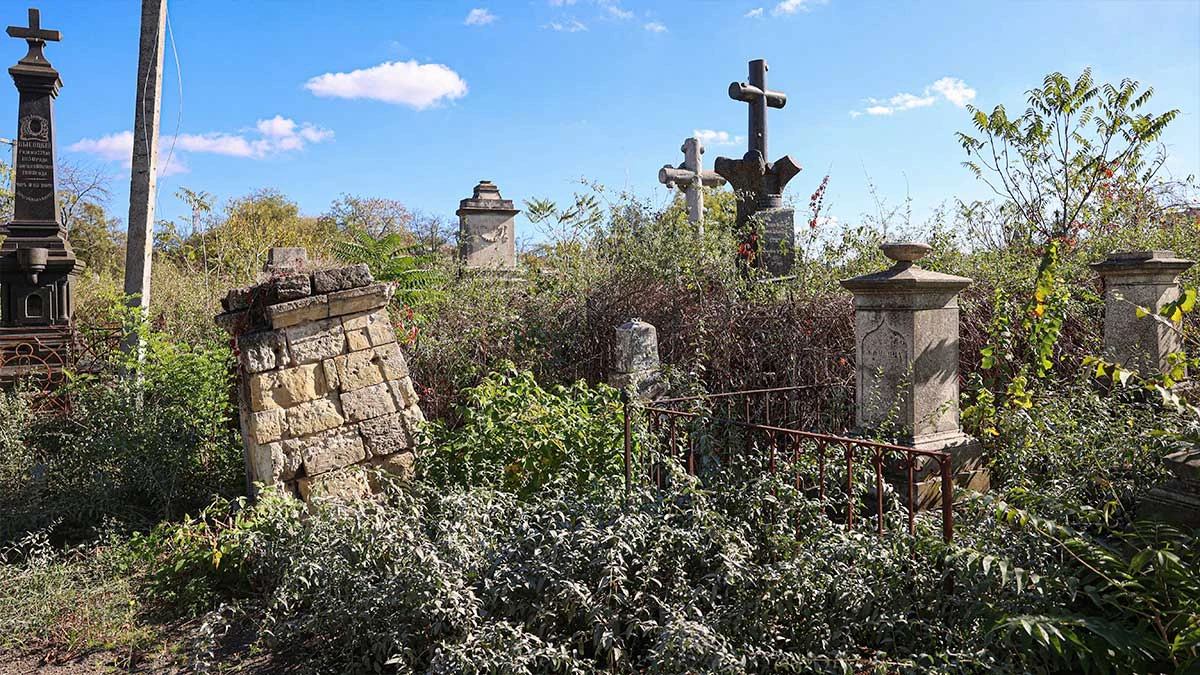
Specialists of the Askania-Nova reserve and the Ukrainian Nature Conservation Group surveyed cemeteries in the steppe zone of the right bank in southern Ukraine. Separately, researchers studied 24 cemeteries in the Chornobyl zone, Krapka reports, citing Ukrinform and the researchers' findings. krapka.media
Krapkakrapka.mediaOpen source ↗ In both regions the cemeteries turned out to hold plant communities that have largely disappeared from the surrounding land.
Southern steppe cemeteries
According to Nadiia Skobel, Doctor of Philosophy, more than 700 plant varieties were recorded among the graves. More than 60 of them are on protection lists, including the thin-leaved peony, feather grass and spring pheasant's eye. krapka.media
Krapkakrapka.mediaOpen source ↗
The researchers note that only about one percent of Ukrainian steppe remains untouched by plowing. In their view, abandoned graves without artificial plaster or decorative plantings preserve the authentic flora best. krapka.media
Krapkakrapka.mediaOpen source ↗
Chornobyl zone cemeteries
Human activity in the Chornobyl zone practically stopped after the 1986 accident. Ivan Moisiienko, Doctor of Biological Sciences, said that the end of economic activity let nature develop on its own and form a closed ecosystem with more than 400 plant species. krapka.media
Krapkakrapka.mediaOpen source ↗
The researchers documented large old trees. Among them is a living oak with a trunk girth of 446 centimeters, described as a record, as well as relict pines and old pear trees. krapka.media
Krapkakrapka.mediaOpen source ↗
The expeditions also found a group of ten ancient kurgans, which are preliminarily dated to the Kyivan Rus period. Distinctive wooden structures of Old Believer graves survived on these isolated sites; they are practically absent in other regions. krapka.media
Krapkakrapka.mediaOpen source ↗
The researchers plan to continue monitoring and to visit each Chornobyl site three times a year, in different growing seasons. According to them, this will allow a full catalog of rare plants to be compiled and help protect the sites from fires and unwanted human impact. krapka.media
Krapkakrapka.mediaOpen source ↗