Boston Children's Hospital: 18 autism-linked genes form shared networks in human neural precursor cells
Researchers studied 18 autism-associated genes in cultured human neural precursor cells; the work is cell-based, so it offers no diagnostic test or treatment.
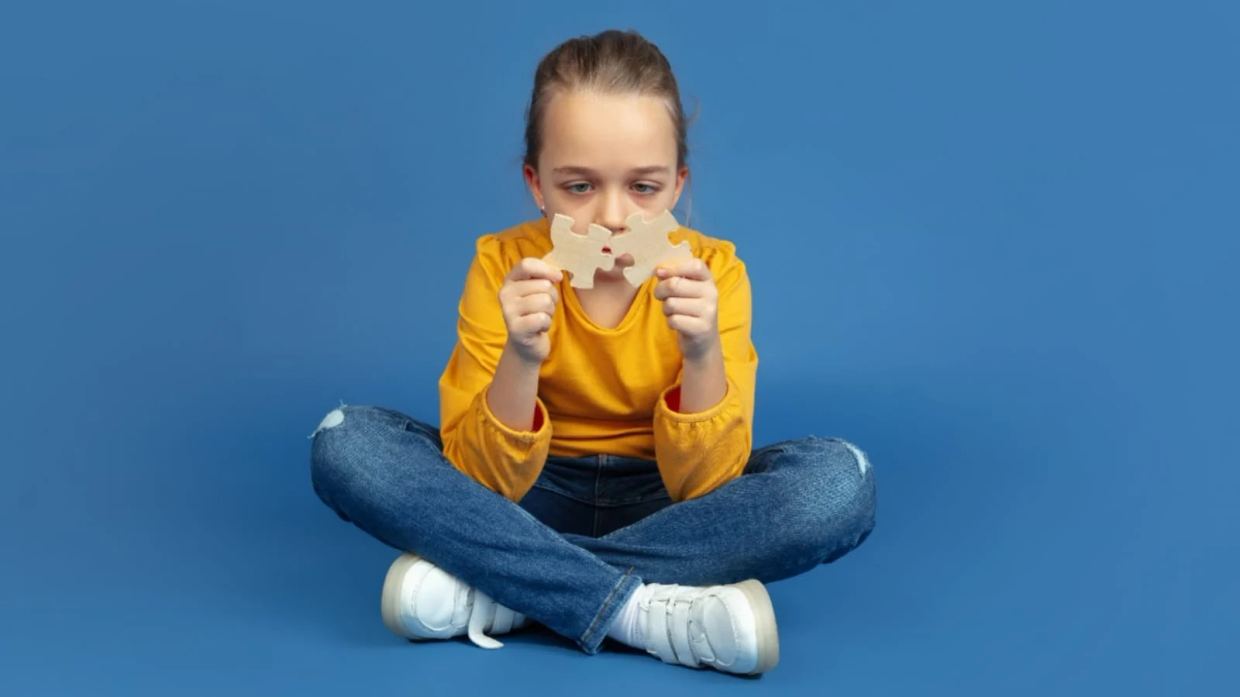
A team at Boston Children's Hospital reports that many of the hundreds of genes associated with autism spectrum disorder (ASD) belong to interconnected biological networks. The study was published in Nature in November 2026, according to Tribuna de Jundiaí. tribunadejundiai.com.br
Tribuna de Jundiaítribunadejundiai.com.brOpen source ↗ The researchers worked with 18 ASD-associated genes in human neural precursor cells, which are used to model early stages of brain development.
tribunadejundiai.com.br
Tribuna de Jundiaítribunadejundiai.com.brOpen source ↗
The work does not offer a cure or a new diagnostic test. It addresses a long-standing question: how can changes in so many different genes be linked to similar features of the disorder? tribunadejundiai.com.br
Tribuna de Jundiaítribunadejundiai.com.brOpen source ↗
Experiment and result
The team reduced the activity of each gene separately and recorded how this changed the function of other genes in the cells. The aim was to find out whether the changes led to entirely different consequences or to shared patterns. tribunadejundiai.com.br
Tribuna de Jundiaítribunadejundiai.com.brOpen source ↗
Several genes with distinct functions produced similar changes in other parts of the genetic system. tribunadejundiai.com.br
Tribuna de Jundiaítribunadejundiai.com.brOpen source ↗ The authors call this transcriptomic convergence: different perturbations yield similar patterns of change in gene expression. Lowering the activity of one autism-associated gene could affect the expression of several other genes also linked to the disorder.
tribunadejundiai.com.br
Tribuna de Jundiaítribunadejundiai.com.brOpen source ↗
This means the consequence of a genetic change depends not only on the isolated function of the gene, but also on its connections within the cellular system. Among the elements highlighted by the scientists are the regulators CHD8 and REST, which are involved in controlling the activity of other genes during development. tribunadejundiai.com.br
Tribuna de Jundiaítribunadejundiai.com.brOpen source ↗
ZFX and the limits of the study
The researchers also noted the ZFX gene, located on the X chromosome, which may play a role in regulating other autism-associated genes. Because ZFX activity differs between male and female cells, the team examined its possible link to the differences in risk observed between the sexes. tribunadejundiai.com.br
Tribuna de Jundiaítribunadejundiai.com.brOpen source ↗
The results led to a hypothesis that higher ZFX activity may attenuate some effects of genetic alterations. This requires further study and does not demonstrate individual protection against autism. tribunadejundiai.com.br
Tribuna de Jundiaítribunadejundiai.com.brOpen source ↗
The experiments were carried out in cell models and laboratory-grown structures, not in clinically followed children, so they cannot predict whether a given person will develop autistic traits. The experiment covered a limited set of genes and does not reproduce the full complexity of the human brain. tribunadejundiai.com.br
Tribuna de Jundiaítribunadejundiai.com.brOpen source ↗
Diagnosis of ASD remains clinical, and there is no single genetic test that identifies all cases. The study presented no drug or clinical intervention; any therapeutic strategy would need additional safety and efficacy studies. tribunadejundiai.com.br
Tribuna de Jundiaítribunadejundiai.com.brOpen source ↗
Sources · 1
Found a mistake?Read also