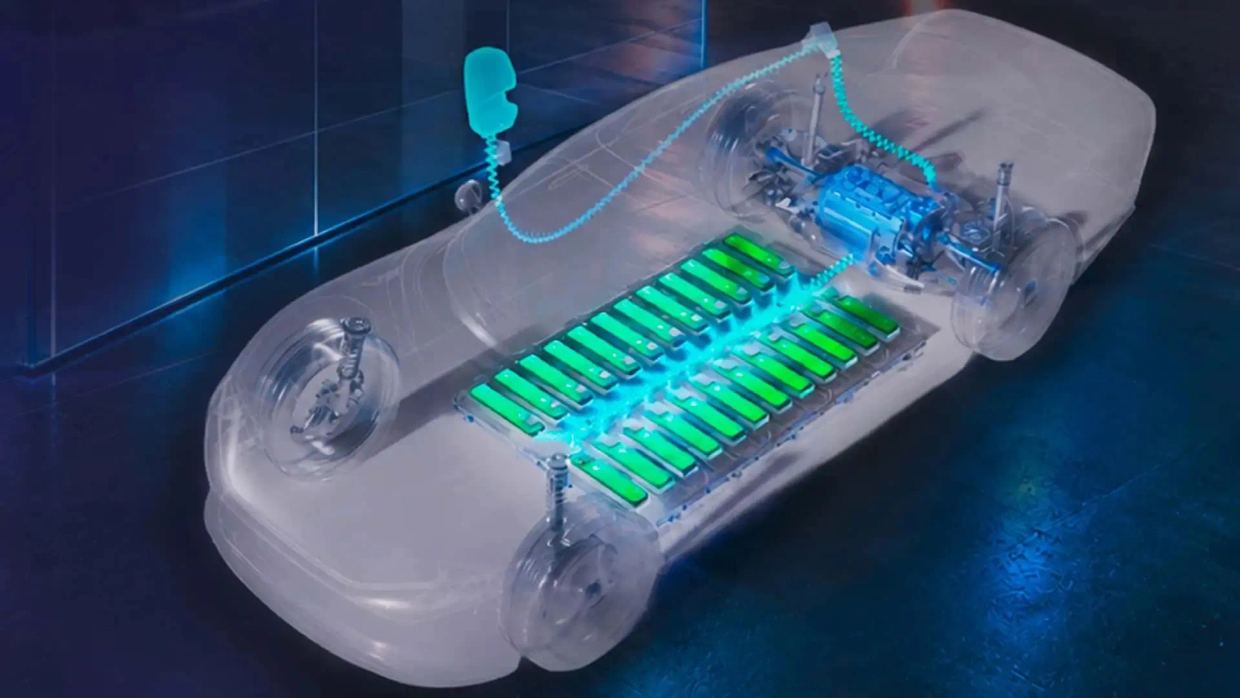
Ford plans bidirectional power in a sub-$30,000 EV truck for 2027 using a standard developed at UD
Ford announced a mid-size electric truck for 2027 with an MSRP below $30,000 that can supply home AC power without a wall inverter. It relies on the SAE J3068 standard developed at UD.
Ford Motor Company has announced plans to implement bidirectional power in a new mid-size electric truck in 2027, according to udel.edu. It would be the first EV from a U.S. automaker with an MSRP below $30,000 that does not need a separate wall-mounted inverter to supply AC power to a home. udel.edu
udel.eduudel.eduOpen source ↗ Researchers at the University of Delaware (UD) played a key role in getting the technology to scale.
udel.edu
udel.eduudel.eduOpen source ↗
Bidirectional power lets energy flow both ways, turning an electric vehicle into mobile energy storage for the owner and an additional source for the grid. According to the university, the feature could reduce home electricity bills and power a home during an outage, with additional hardware and an active Ford plan or trial. udel.edu
udel.eduudel.eduOpen source ↗
SAE J3068 and the communication standard
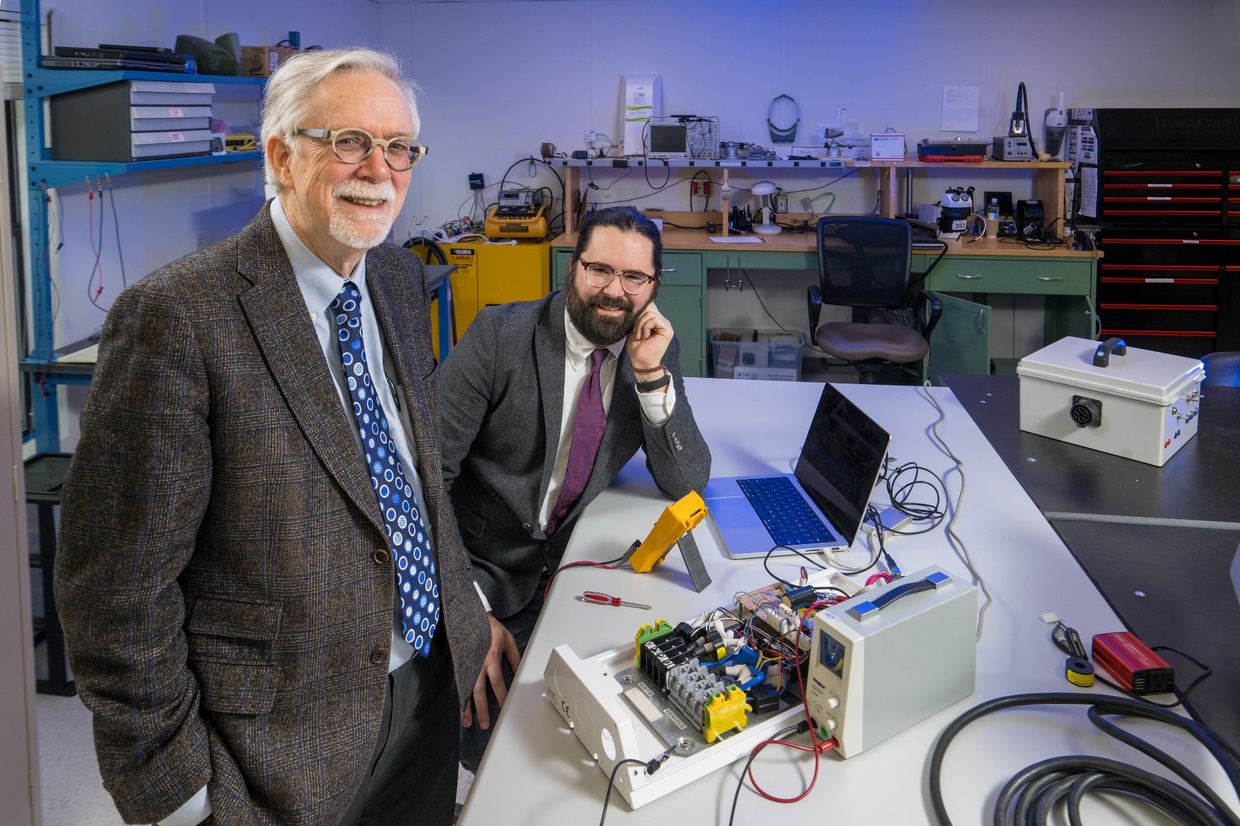
The automotive communication standard that lets bidirectional power work efficiently over less-expensive alternating current is SAE J3068, developed at UD. Rodney McGee of UD's Institute of Energy Conversion chaired the SAE International committee and led its development. udel.edu
udel.eduudel.eduOpen source ↗
The standard defines a charging plug and socket and LIN-CP communications that can be used with any AC connection system. It provided the missing link for wider use of vehicle-to-grid (V2G) technology developed at UD. McGee now chairs the SAE J3400 committee, which defined a standardized EV charging connector with the same V2G communications. udel.edu
udel.eduudel.eduOpen source ↗
Nearly three decades of V2G work
Willett Kempton, a professor in UD's College of Earth, Ocean, and Environment, and colleagues conceived the hardware and software concepts for bidirectional V2G charging in 1997. In 2013 they launched the world's first revenue-generating V2G pilot on the Newark campus. The technology is now used in Delaware, California, Denmark, the Netherlands, the United Kingdom, France and Japan. udel.edu
udel.eduudel.eduOpen source ↗
In 2019 Delaware became the first U.S. state to enact a law enabling ordinary citizens with V2G-capable electric vehicles to provide power to the grid. Sara Parkison, then a UD doctoral student, helped draft and shepherd the bill through the Delaware General Assembly. udel.edu
udel.eduudel.eduOpen source ↗
Earlier this year UD researchers and colleagues at Delmarva Power/Exelon released a report concluding that the UD-developed V2G technology is low-cost, high-value and scalable. By the report's figures, V2G-equipped vehicles can earn roughly $3,300 for passenger vehicles and up to $9,000 for heavier ones, such as fleet vehicles or school buses. udel.edu
udel.eduudel.eduOpen source ↗
UD researchers continue to design and evaluate equipment for compliance with new standards, advise industry on demonstration projects, test EVs and charging stations, and work on state laws that let consumers use V2G to save on utility costs, Kempton said. udel.edu
udel.eduudel.eduOpen source ↗