Google Research smartwatch method detected hypertension with 90.0% specificity in a 196-person study
In a prospective study of 196 participants, a cuffless smartwatch method detected hypertension with 65.8% sensitivity against 24-hour ambulatory monitoring. Authors propose it for screening.
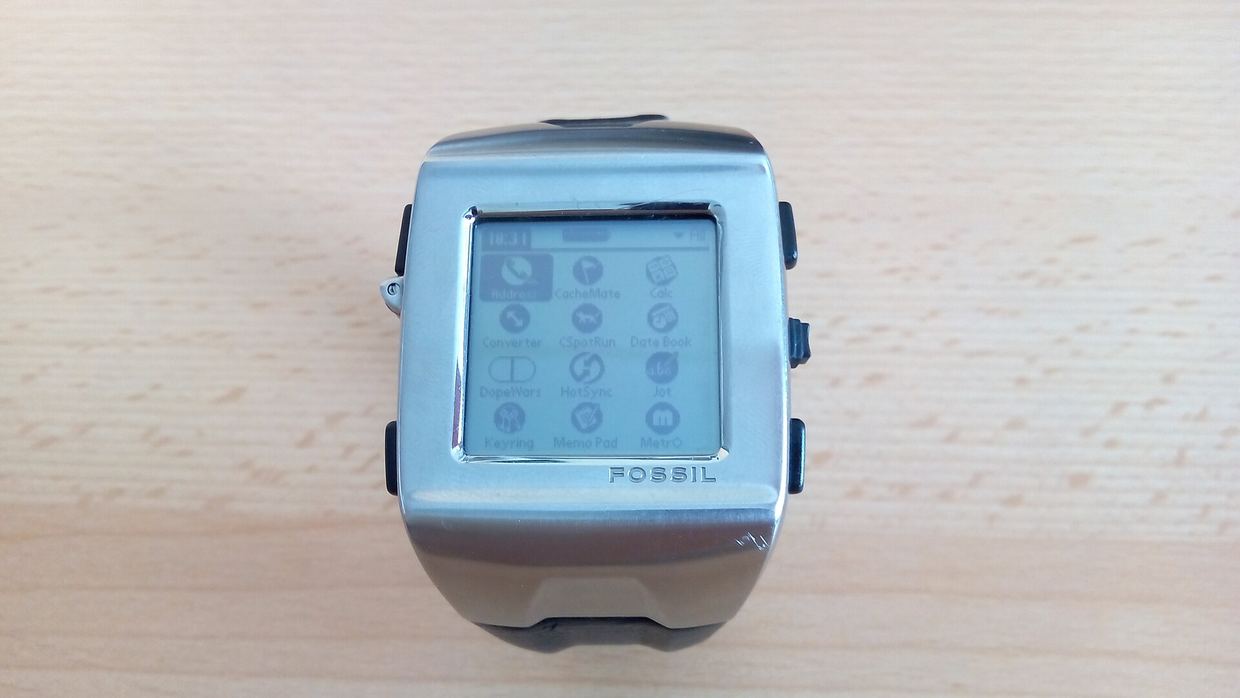
Researchers at Google Research, the University of Washington and Beth Israel Deaconess Medical Center report in Nature a method that detects hypertension from signals recorded by a consumer smartwatch, without cuff calibration nature.com
Naturenature.comOpen source ↗. The algorithm analyzes two types of waveforms: photoplethysmography and accelerometry. It was validated in a prospective, multicenter study of 196 participants, with 24-hour ambulatory blood pressure monitoring as the gold standard
nature.com
Naturenature.comOpen source ↗.
The participants were diverse, with no known cardiovascular disease and no antihypertensive medication nature.com
Naturenature.comOpen source ↗. Monitoring lasted seven days in real-world conditions
nature.com
Naturenature.comOpen source ↗. According to the authors, the detection accuracy is comparable to that of traditional cuffed blood pressure devices within the existing clinical framework
nature.com
Naturenature.comOpen source ↗.
Accuracy against ambulatory monitoring
The smartwatch method showed a sensitivity of 65.8% (95% CI, 54.0%-76.3%), a specificity of 90.0% (95% CI, 83.2%-94.7%) and a positive predictive value (PPV) of 80.6% (95% CI, 68.6%-89.6%) nature.com
Naturenature.comOpen source ↗.
For comparison, initial office blood pressure screening in the same study gave a sensitivity of 55.3% (95% CI, 43.4%-66.7%), a specificity of 90.0% (95% CI, 83.2%-94.7%) and a PPV of 77.8% (95% CI, 64.4%-88.0%) nature.com
Naturenature.comOpen source ↗.
Intended use: opportunistic screening
The authors note that more than half of adults with hypertension are unaware of their condition, and that early intervention is critical for preventing major adverse cardiovascular events nature.com
Naturenature.comOpen source ↗. They propose that consumer smartwatches could support population-level opportunistic screening
nature.com
Naturenature.comOpen source ↗.
In this scheme, the watch prompts at-risk individuals to seek clinical assessment. The diagnosis is then confirmed with established cuff-based methods nature.com
Naturenature.comOpen source ↗. The work was published in Nature; the corresponding author is Ming-Zher Poh. The study covered participants without known cardiovascular disease and without antihypertensive treatment, so the reported figures apply to this group.