Historical Mumia vera extract modestly shielded cells from influenza virus in vitro; aloe found in samples
Researchers analysed 24 museum objects and 41 texts on Mumia vera aegyptiaca. In an in vitro test on MDCK cells one extract had a modest effect; there are no data on humans.
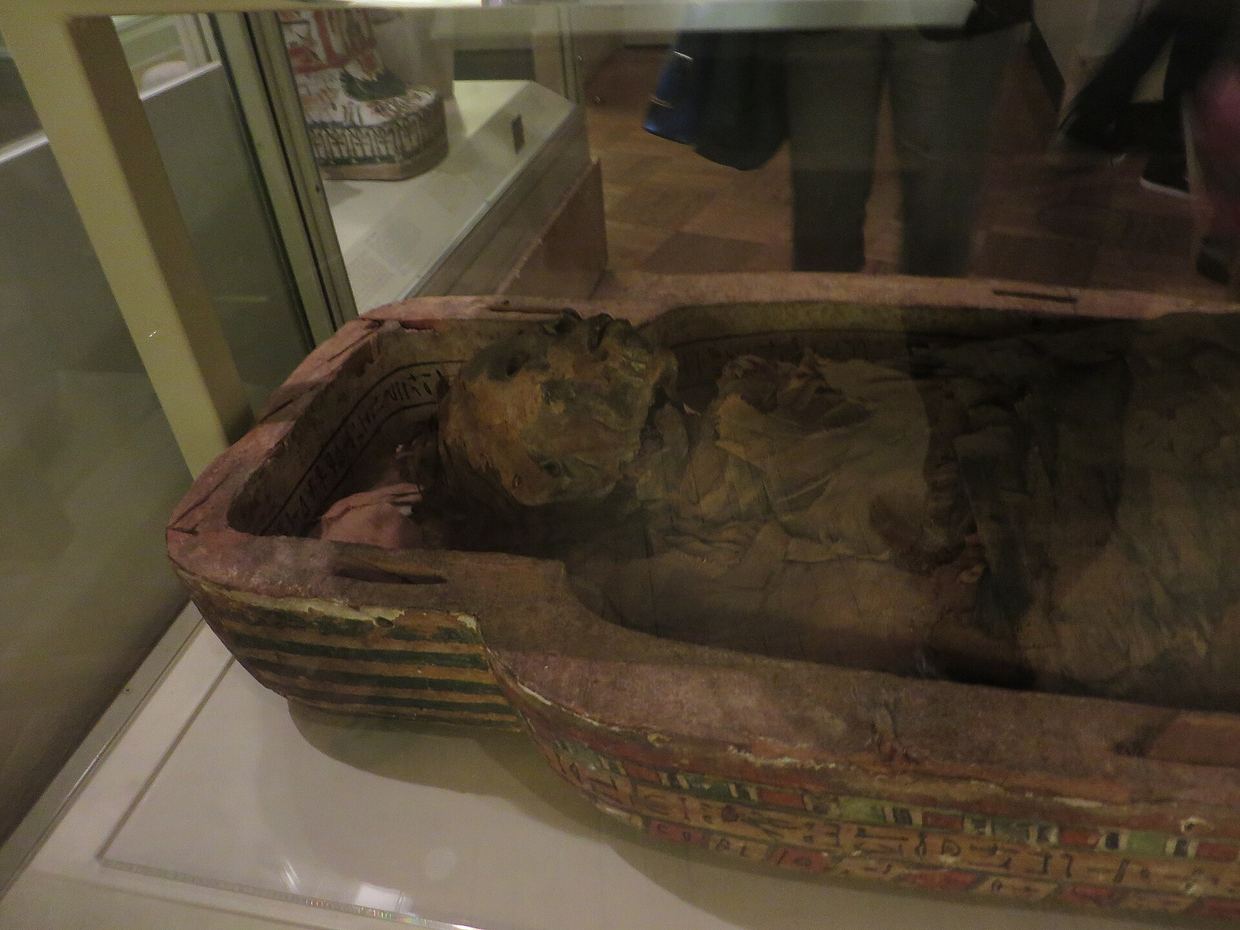
Researchers from the University of Marburg analysed 24 objects from university and pharmacy museum collections together with 41 textual sources on Mumia vera aegyptiaca, the "genuine Egyptian mummy" substance used in medieval and early modern medicine. The work was published in the Proceedings of the National Academy of Sciences. doi.org
Proceedings of the National Academy of Sciencesdoi.orgOpen source ↗ The objects included historical Mumia vera products, mummified body parts, embalming residues, bandages and two mummified skulls.
doi.org
Proceedings of the National Academy of Sciencesdoi.orgOpen source ↗
The team combined LC–MS/MS metabolomics, molecular networking and bioactivity testing with Egyptological and pharmaceutical-historical analysis of the texts. doi.org
Proceedings of the National Academy of Sciencesdoi.orgOpen source ↗
Composition of the samples
The materials labelled Mumia vera differed substantially from one another. Recurrent molecular signatures were consistent with aged conifer resins, including oxidized abietane-type diterpenoids. doi.org
Proceedings of the National Academy of Sciencesdoi.orgOpen source ↗ Several samples contained Aloe-associated metabolites, including compounds related to aloeresin A/D and aloin.
doi.org
Proceedings of the National Academy of Sciencesdoi.orgOpen source ↗
The authors report this as evidence of Aloe-derived exudates in selected samples from embalming-related materials. In combination with the texts, it raises the possibility that a previously unresolved Egyptian term from the 2nd millennium BC refers to Aloe sp. or an Aloe-derived product. doi.org
Proceedings of the National Academy of Sciencesdoi.orgOpen source ↗
Comparative metabolomics also linked an inconspicuous powder sample to a specific mummified head, although the curatorial association between them had not been securely documented. doi.org
Proceedings of the National Academy of Sciencesdoi.orgOpen source ↗
Test on cells
A historical Mumia vera aegyptiaca extract modestly protected MDCK cells from influenza virus-induced cytopathic effects. doi.org
Proceedings of the National Academy of Sciencesdoi.orgOpen source ↗ The isolated major compound, 7-oxodehydroabietic acid, was inactive on its own.
doi.org
Proceedings of the National Academy of Sciencesdoi.orgOpen source ↗ The extract came from the Wiegand historical pharmacy collection in Marburg and was not one of the samples in which aloe was found.
The result has clear limits. The experiment was run on cells in the laboratory, the effect was weak, and only one preparation was tested. It is unknown which component, or which combination of components, produced the effect, and reduced cell damage does not by itself mean the virus stopped replicating. The test says nothing about action in humans or about safety.
The authors conclude that combining textual scholarship, pharmaceutical history and molecular analysis can refine the interpretation of ancient Egyptian embalming practices, museum objects and historical medicines. doi.org
Proceedings of the National Academy of Sciencesdoi.orgOpen source ↗
Sources · 2
Found a mistake?Read also