Birdsong from 367 species compared with speech in 52 languages: shared pitch and timing features found
Authors report that small pitch changes, regular syllable timing and lengthened phrase-final sounds occur in birds regardless of vocal learning, pointing to shared motor mechanisms.
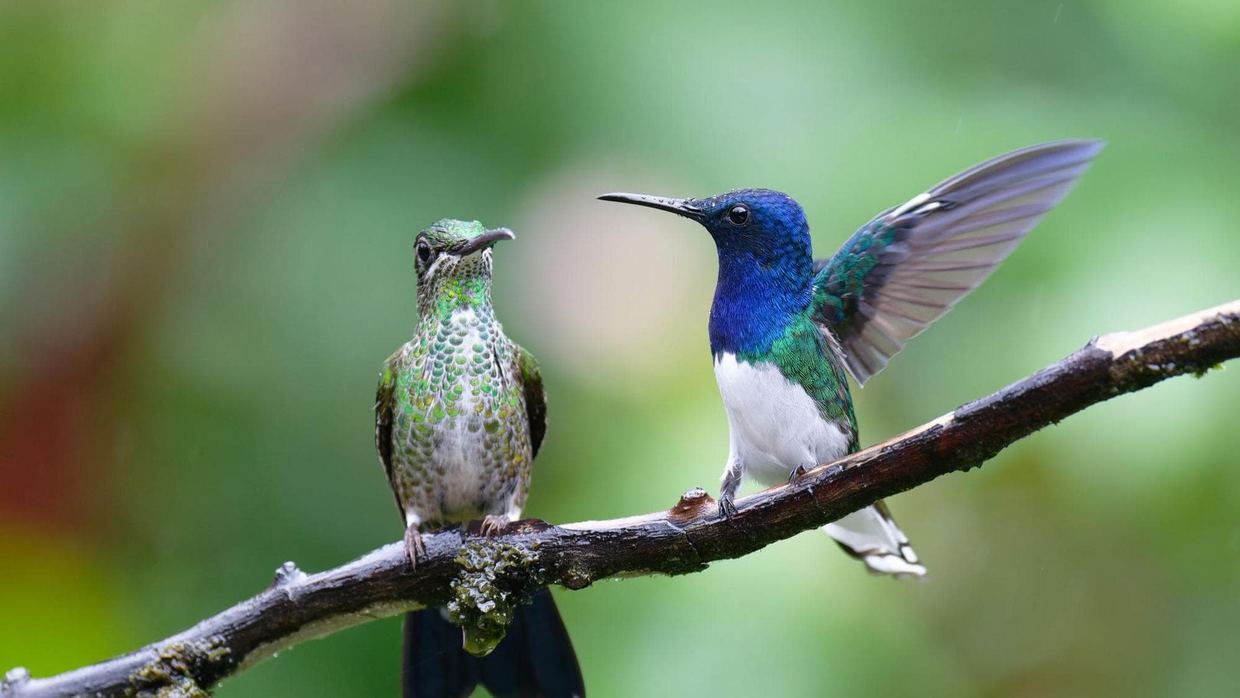
A team led by Logan James compiled and analyzed a curated library of songs from 367 bird species and compared them with human speech and song across 52 languages, according to eurekalert.org. eurekalert.org
eurekalert.orgeurekalert.orgOpen source ↗ The sample included both vocal learners, which learn their sounds, and nonlearners. The authors report that birdsong shares several features with human speech and music.
eurekalert.org
eurekalert.orgeurekalert.orgOpen source ↗
Shared features of birdsong and speech
James and colleagues found that small pitch changes, regular syllable timing and lengthened sounds at the ends of phrases occur across hundreds of bird species. They appear regardless of whether the birds learn their vocalizations. eurekalert.org
eurekalert.orgeurekalert.orgOpen source ↗
According to the authors, these patterns suggest that fundamental aspects of vocal communication may arise from common motor and sound-production mechanisms rather than from vocal learning alone. Birdsong also shares with human speech and music complex sequences of sounds, coordinated vocal movements and variations shaped by social context. eurekalert.org
eurekalert.orgeurekalert.orgOpen source ↗
Differences and limits
Differences between birds and humans, as well as variation among bird species, indicate that body size, respiratory physiology and vocal anatomy also shape how sounds are produced and organized. Some bird groups resemble humans more closely in certain aspects of vocalization. The authors note that this could make them useful models for studying the biological foundations of speech and music. eurekalert.org
eurekalert.orgeurekalert.orgOpen source ↗
Kazuo Okanoya, in a related Perspective that discusses some limitations of the study, writes that James et al. provide a basis for testing the mechanisms behind shared vocal patterns. In his words, linguistic concepts can guide such tests but should not be used in place of experimental data. Comparing a wide range of bird species is what allows researchers to identify which patterns of vocal communication are common to birds and humans.
Sources · 2
Found a mistake?Read also