Clark University's U.S. Forest Monitor: up to 350 thousand acres of forest converted yearly, 1990–2017
Clark University researchers introduced the U.S. Forest Monitor, which tracks permanent forest conversion. Per the report, 11 states account for 70% of all loss nationally.
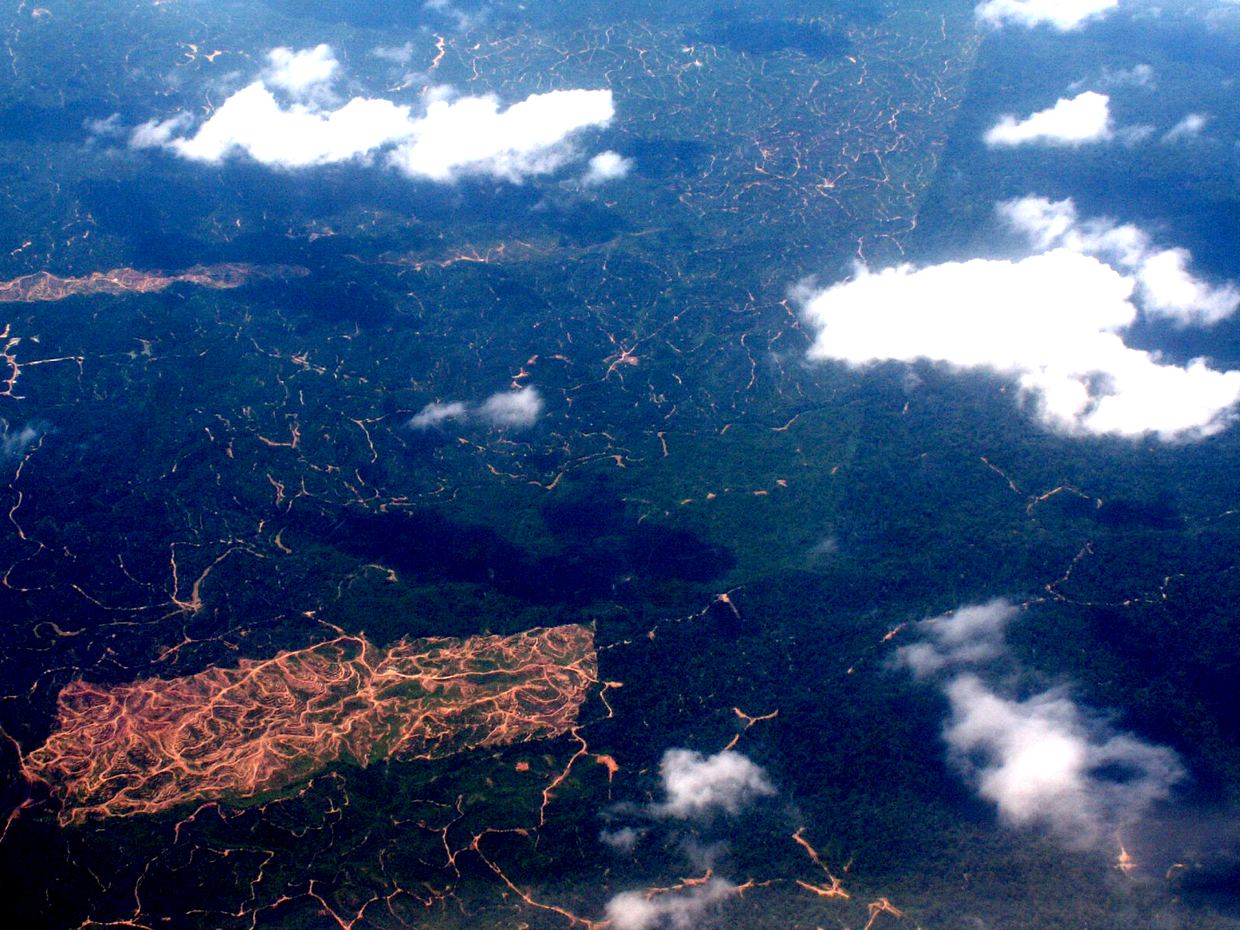
Christopher A. Williams and Natalia Hasler of Clark University published a report introducing the U.S. Forest Monitor, a new system for tracking permanent forest conversion across the United States. The report, hosted on commons.clarku.edu, finds that between 1990 and 2017 as many as 350 thousand acres per year were converted to persistent non-forest land commons.clarku.edu
commons.clarku.educommons.clarku.eduOpen source ↗. According to the authors, forest loss is occurring at a significant and increasing scale
commons.clarku.edu
commons.clarku.educommons.clarku.eduOpen source ↗.
The report is a monitoring system and analysis, not a field intervention. Its authors present the monitor as a tool for following where and how fast forests are being lost.
What the monitor measures
The report focuses on permanent deforestation: the clearing of forests for another land use, such as development and cropland, that persists for the long term commons.clarku.edu
commons.clarku.educommons.clarku.eduOpen source ↗. Other threats to forests, including fire, pest outbreaks and other stressors, are named in the report but are not its subject
commons.clarku.edu
commons.clarku.educommons.clarku.eduOpen source ↗.
The authors list the benefits that forestland provides: habitat and biodiversity, clean water and air, outdoor recreation, healthy soils, and climate regulation commons.clarku.edu
commons.clarku.educommons.clarku.eduOpen source ↗. Permanent conversion removes these functions for as long as the new land use remains in place.
Scale and distribution of loss
The authors express the annual figure in a familiar unit: as many as 350 thousand acres per year over 28 years is equivalent to losing roughly one football field every two minutes commons.clarku.edu
commons.clarku.educommons.clarku.eduOpen source ↗. The conversion resulted in approximately 2 billion metric tons of CO2e emissions
commons.clarku.edu
commons.clarku.educommons.clarku.eduOpen source ↗.
That estimate combines three components: the release of stored carbon, lost potential for future carbon storage (foregone sequestration), and albedo effects, meaning changes in CO2e emissions that come from the reflectivity of the land cover commons.clarku.edu
commons.clarku.educommons.clarku.eduOpen source ↗.
The report also states that the burden of forest loss is unevenly distributed. According to the analysis, 11 states represent 70% of all loss nationally commons.clarku.edu
commons.clarku.educommons.clarku.eduOpen source ↗. The work is licensed under a Creative Commons Attribution 4.0 International License.