Physicists cut qubit error rate by 54% with a pre-run frequency check on a superconducting chip
A single diagnostic check before each run tracked the resonant frequency of a superconducting qubit and lowered its mean error rate from 0.14% to 0.065%.
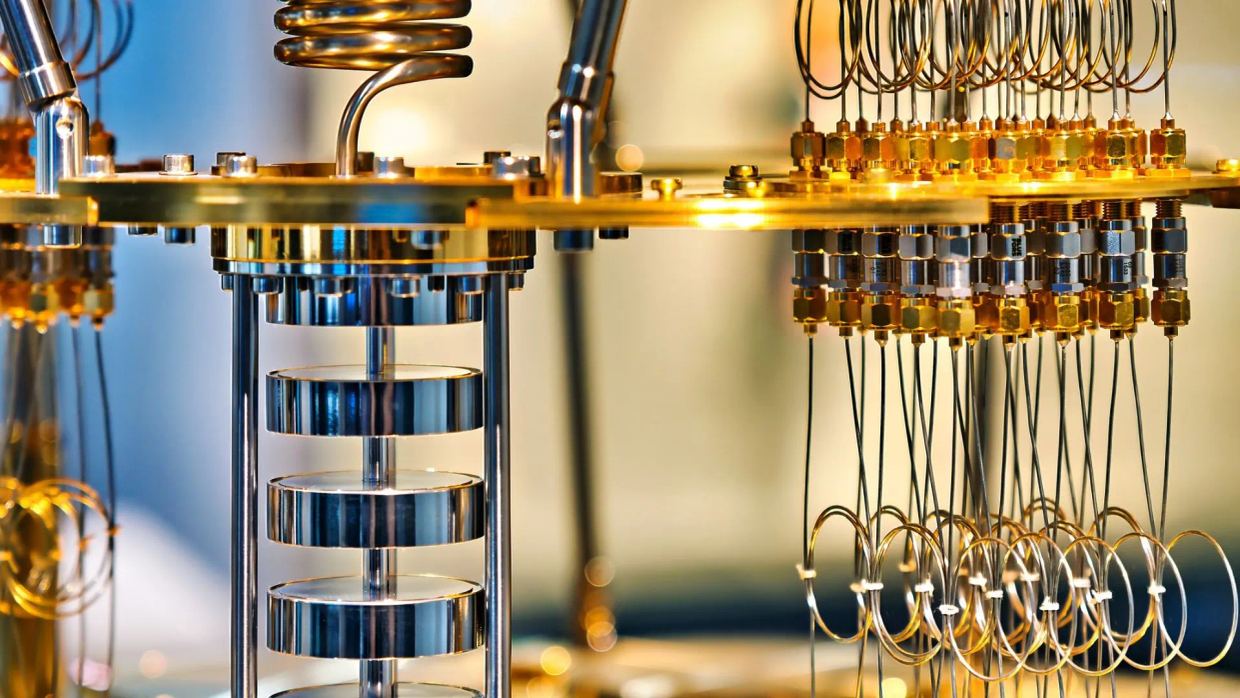
An international team of physicists reduced the error rate of a superconducting qubit by 54 percent by adding one diagnostic check before each computation, according to Interesting Engineering. The work is published in Applied Physics Reviews. interestingengineering.com
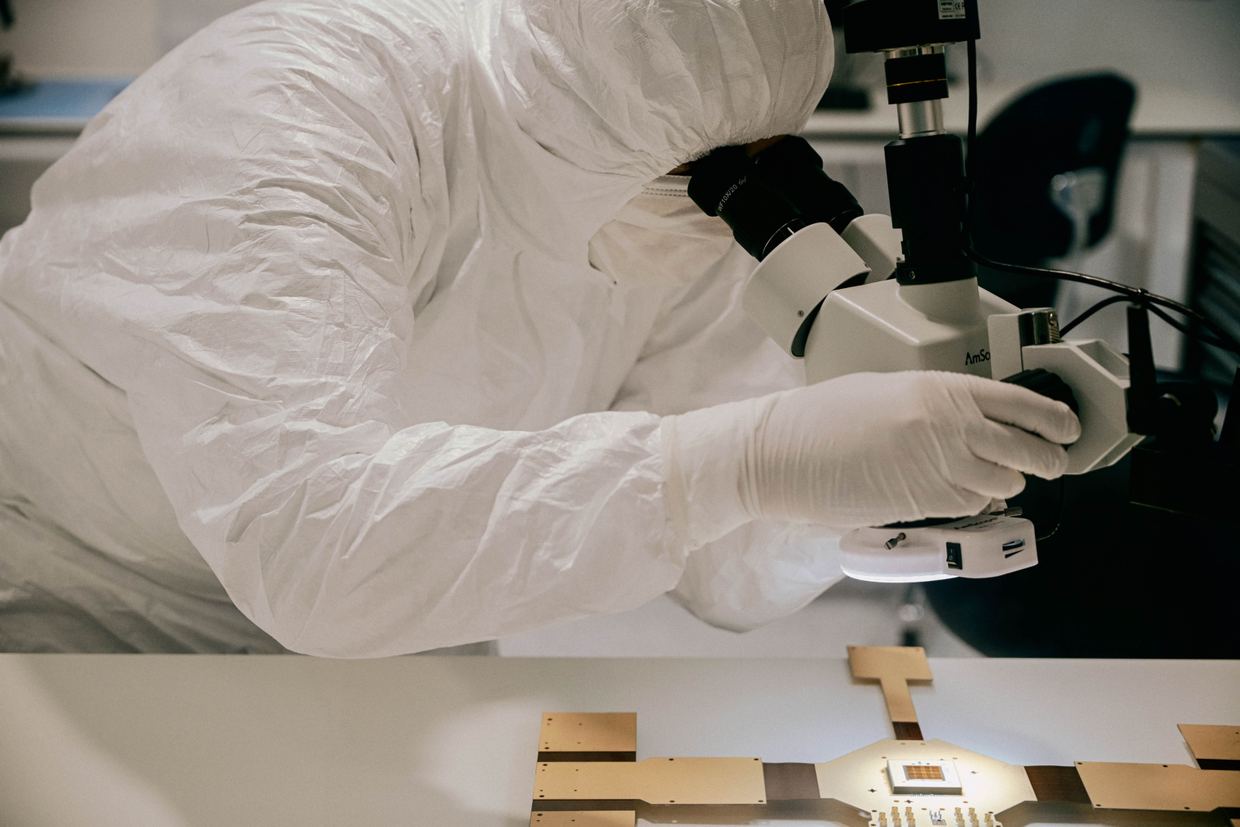
Interesting Engineeringinterestingengineering.comOpen source ↗ The experiments used a superconducting circuit on a chip at the Israeli Quantum Computing Center, while researcher Fabrizio Berritta operated the hardware remotely from the Massachusetts Institute of Technology (MIT).
interestingengineering.com
Interesting Engineeringinterestingengineering.comOpen source ↗
The circuit was controlled with ultra-precise microwave pulses. In runs without adjustment, the team observed significant fluctuations in qubit performance over time. interestingengineering.com
Interesting Engineeringinterestingengineering.comOpen source ↗
Why the qubit drifted
The cause was microscopic flaws in the chip. Material defects made the resonant frequency of the circuit hop between two distinct states. interestingengineering.com
Interesting Engineeringinterestingengineering.comOpen source ↗ This frequency determines the exact microwave signal needed to program the processor. If it shifts without warning, the pulses miss their target: the circuit remains functional, but the calculations fail.
interestingengineering.com
Interesting Engineeringinterestingengineering.comOpen source ↗
The researchers compared this to a musical instrument that goes slightly out of tune, so that the same movements no longer produce the intended notes. Earlier experiments could detect such a shift but could not correct it during active computing. interestingengineering.com
Interesting Engineeringinterestingengineering.comOpen source ↗
How the check works
Before each computational run, the system briefly prepares the qubit and tracks its behavior. Each frequency state leaves a distinct signature, so the system identifies which state the qubit is in. Control computers then re-aim the microwave pulses to that frequency before the logic gates run. interestingengineering.com
Interesting Engineeringinterestingengineering.comOpen source ↗
In benchmarking trials, the average error rate of the qubit fell from 0.14 percent to 0.065 percent. During peak disturbances, errors dropped by as much as 77 percent. interestingengineering.com
Interesting Engineeringinterestingengineering.comOpen source ↗
The method has limits. Both possible frequencies must be known in advance, and the qubit has to stay in its state long enough for the adjusted signal to arrive. interestingengineering.com
Interesting Engineeringinterestingengineering.comOpen source ↗
Lead researcher Ferdinand Kuemmeth, of the University of Regensburg and the Niels Bohr Institute in Copenhagen, said that his laboratory has already designed automated tools to detect unknown frequency jumps as well. interestingengineering.com
Interesting Engineeringinterestingengineering.comOpen source ↗ He noted that even the purest future chips will still contain stray defects. According to Kuemmeth, as materials become cleaner, millions of nearly perfect qubits will need to be operated simultaneously. He said he is convinced the methods will have a tangible impact on the computational power of quantum computers.
interestingengineering.com
Interesting Engineeringinterestingengineering.comOpen source ↗