Researchers in Switzerland and US model peak stress at Cajón Pass on San Andreas and San Jacinto faults
A simulation of a thousand years of seismic history shows stress at Cajón Pass, where two faults meet, at its highest level in that period. The authors give no date for a quake.
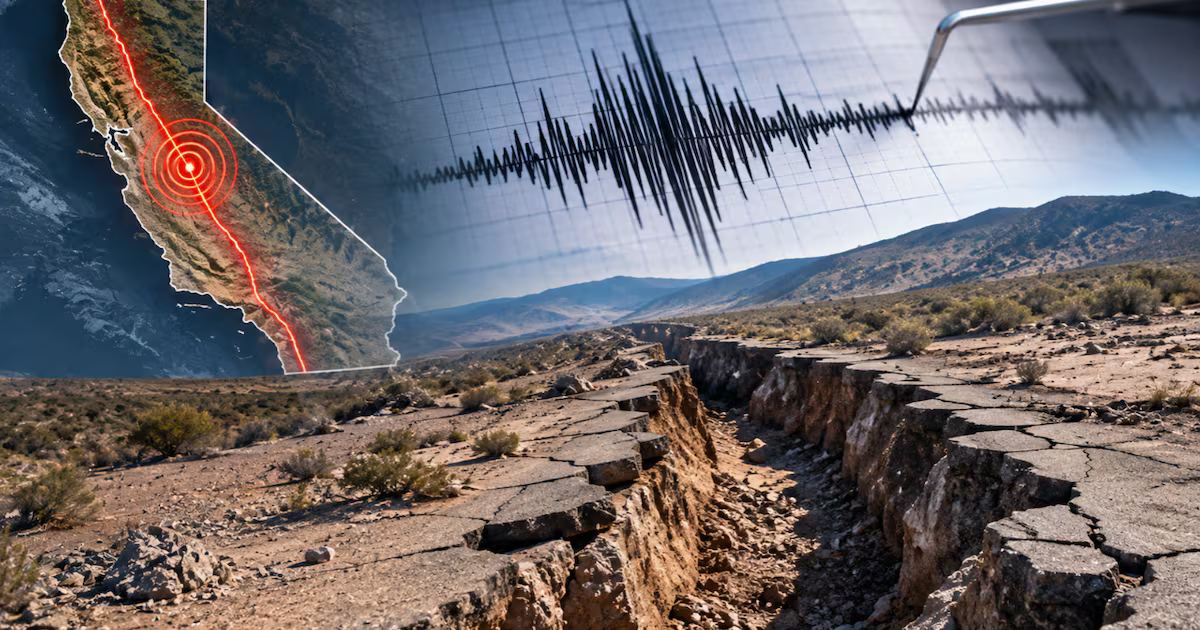
Researchers from institutions in Switzerland and the United States have identified what they call a "seismic gate" at Cajón Pass in southern California, where the San Andreas Fault and the San Jacinto Fault cross, according to TV Azteca. The team simulated a thousand years of seismic history and found that accumulated stress in the region reached its highest point in that period tvazteca.com
TV Aztecatvazteca.comOpen source ↗. The study was led by Liliane Burkhard of the University of Bern together with specialists from the U.S. Geological Survey (USGS) and other institutions
tvazteca.com
TV Aztecatvazteca.comOpen source ↗.
Stress on two faults at once
The researchers used a three-dimensional model that tracked the behavior of the ground over time. According to the results, accumulated energy at Cajón Pass exceeded the maximum values of the past thousand years: 3.6 megapascals on the San Jacinto Fault and 2.8 megapascals on the San Andreas Fault tvazteca.com
TV Aztecatvazteca.comOpen source ↗. The authors note that the concern is not only the magnitude of the stress but also that both faults reached their maximum levels at the same time
tvazteca.com
TV Aztecatvazteca.comOpen source ↗.
Depending on the accumulated pressure, the pass can stop an earthquake on a single fault or let the rupture continue so that both faults break simultaneously tvazteca.com
TV Aztecatvazteca.comOpen source ↗. A rupture of this kind occurred in the 1812 Wrightwood earthquake, which crossed the "gate" and fractured both systems together
tvazteca.com
TV Aztecatvazteca.comOpen source ↗.
Exposure and limits of the model
If such a scenario repeated, the shaking would cover a much larger area than a rupture on one structure tvazteca.com
TV Aztecatvazteca.comOpen source ↗. Cajón Pass is a corridor for roads, railways and energy infrastructure leading to populated areas. A large event there would directly affect Los Angeles, San Bernardino, Riverside and the Coachella Valley, which have not recorded a large-scale earthquake since 1857
tvazteca.com
TV Aztecatvazteca.comOpen source ↗.
The authors state that the study does not set a date for a possible earthquake, since science cannot predict the exact moment of a quake tvazteca.com
TV Aztecatvazteca.comOpen source ↗. The purpose of the physical models is to identify possible scenarios, in order to improve the preparedness of the population and the design of infrastructure
tvazteca.com
TV Aztecatvazteca.comOpen source ↗.