University of Florida: archaea Haloferax volcanii grew in an analog of Martian subsurface soil at 21 °C
Archaea from hypersaline lakes grew and formed dense colonies in an analog of near-surface Martian soil, the University of Florida reported.
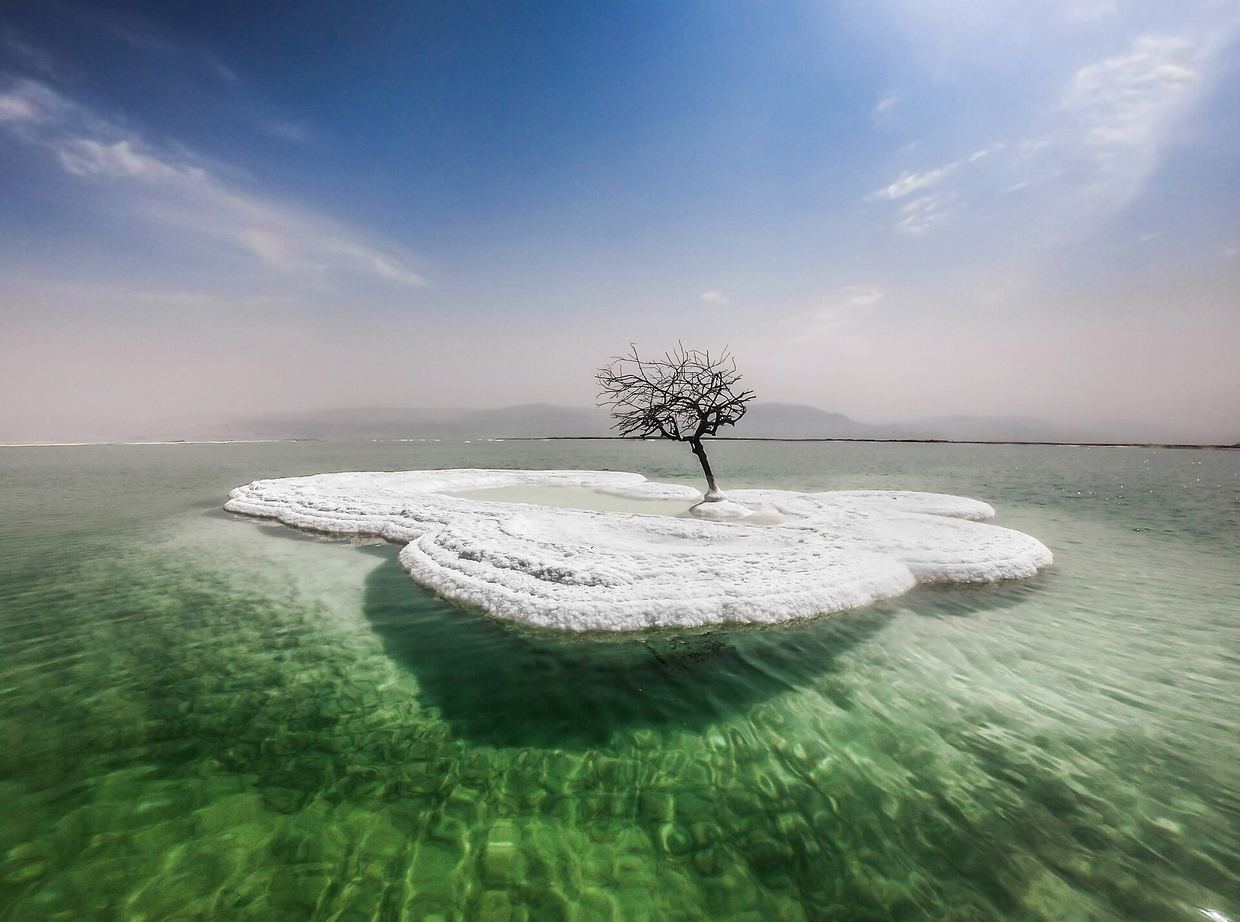
American biologists found that the archaea Haloferax volcanii, which occur in the Dead Sea and other hypersaline lakes, can live and reproduce in a full analog of near-surface Martian soil layers, according to Novosti Mail.ru, citing the press service of the University of Florida (UFL) mail.ru
Новости Mail.runews.mail.ruOpen source ↗. The experiments were carried out in an extremely thin atmosphere at a temperature of 21 degrees Celsius
mail.ru
Новости Mail.runews.mail.ruOpen source ↗.
The researchers say that the results increase the likelihood that analogs of terrestrial life could exist in drops of dense brine that may be present in Martian soil mail.ru
Новости Mail.runews.mail.ruOpen source ↗. UFL researcher Adam Robinson said that earlier work had shown that some microbes tolerate individual Martian conditions, but no one had shown that terrestrial life can exist under a combination of these features of Mars
mail.ru
Новости Mail.runews.mail.ruOpen source ↗.
Conditions on present-day Mars
Over the past decades, planetologists have found a lot of evidence that Mars had oceans, rivers and lakes of warm fresh water in the deep past. Present-day Mars has almost no water, its very thin atmosphere consists of carbon dioxide, and its soil is rich in toxic perchlorates and exposed to cosmic radiation.
Scientists actively debate whether life could exist on present-day Mars in peculiar "water oases", and they look for analogs among terrestrial organisms. Experiments have shown that many of them can tolerate Martian radiation or periodic complete desiccation. However, biologists had not found microbes, fungi or plants able to tolerate most or all of these conditions together.
What the experiment showed
Haloferax volcanii is adapted to life in hypersaline lakes and other extreme environments. The researchers noted that under certain conditions these archaea can use perchlorates to extract energy from nutrients mail.ru
Новости Mail.runews.mail.ruOpen source ↗. This prompted the biologists to test how the microbes behave in drops of dense brine, which in theory could exist permanently or appear periodically in Martian soils.
The observations showed that the microbes not only survived but actively grew and formed dense colonies inside analogs of deep Martian soil layers kept in an extremely thin atmosphere at 21 degrees Celsius mail.ru
Новости Mail.runews.mail.ruOpen source ↗. According to the scientists, this indicates that life could exist inside soil layers protected from radiation in the warmest regions of Mars
mail.ru
Новости Mail.runews.mail.ruOpen source ↗.
Sources · 1
Found a mistake?Read also