Engineered Vibrio natriegens on water lettuce roots turns aqueous Cd and Pb into CdS and PbS nanoparticles
Chinese researchers engineered an aerobic bacterium to form metal sulfides in the root zone, removing 30% of cadmium and 63% of lead. Field tests are still needed.
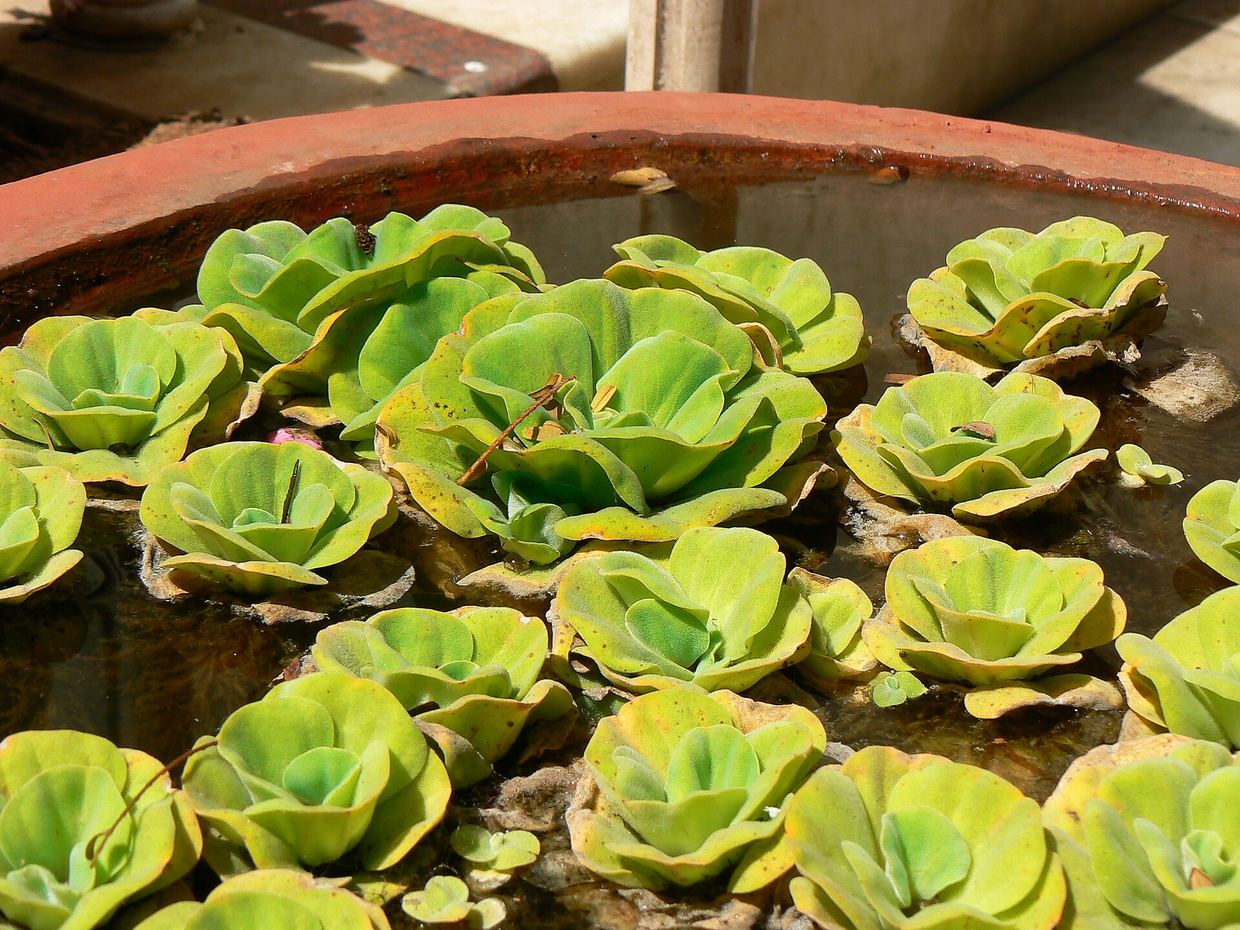
Researchers from Harbin Institute of Technology (Shenzhen), Shenzhen Polytechnic University, Zhejiang Shuren University and the Shenzhen Institutes of Advanced Technology of the Chinese Academy of Sciences have combined water lettuce (Pistia stratiotes) with an engineered bacterium, Vibrio natriegens. In the plant–bacteria system the bacterium converts dissolved cadmium and lead into CdS and PbS semiconductor nanoparticles directly in the root zone, according to a paper in Environmental Science and Ecotechnology doi.org
Environmental Science and Ecotechnologydoi.orgOpen source ↗. Over consecutive treatment cycles the system removed 30% of cadmium and 63% of lead from the aqueous phase
doi.org
Environmental Science and Ecotechnologydoi.orgOpen source ↗.
Aerobic sulfide formation in the rhizosphere
Plants usually only accumulate heavy metals in their tissues, which leaves hazardous biomass. Sulfide biomineralization normally relies on sulfate-reducing bacteria, which are strict anaerobes and do not survive in the oxygen-rich zone around roots. The authors used an aerobic strain, XG203, that carries the cdsH gene (cysteine desulfhydrase) and a mutant cysE gene (serine acetyltransferase) doi.org
Environmental Science and Ecotechnologydoi.orgOpen source ↗.
The bacteria colonized root crowns and root hairs within 24 hours and grew on root exudates, mainly fatty acids, phosphates, alcohols, carbohydrates, amines and organic acids doi.org
Environmental Science and Ecotechnologydoi.orgOpen source ↗. They reduced sulfate to hydrogen sulfide, which precipitated Cd²⁺ and Pb²⁺ as nanoparticles anchored to the cell surface. The particles measured 4.94–11.00 nm
doi.org
Environmental Science and Ecotechnologydoi.orgOpen source ↗. Isolated CdS particles averaged about 4.94 nm, were cubic crystals, had a direct bandgap of about 2.44 eV and produced a photocurrent
doi.org
Environmental Science and Ecotechnologydoi.orgOpen source ↗.
Metal removal and effect on the plant
Averaged over two treatment cycles, removal was 30.12% for cadmium and 63.50% for lead, higher than with plants alone. Free-living bacteria removed less than 3.03% doi.org
Environmental Science and Ecotechnologydoi.orgOpen source ↗. The authors estimate that about 9.89% of the cadmium and 8.93% of the lead were associated with the bacterial biohybrids, and the rest was distributed among plant tissues and matrix-associated fractions
doi.org
Environmental Science and Ecotechnologydoi.orgOpen source ↗.
The bacteria also secreted indole-3-acetic acid. Relative to uninoculated stressed plants, root dry weight rose by 11.50% under cadmium stress and 10.04% under lead stress, and photosystem I indicators improved doi.org
Environmental Science and Ecotechnologydoi.orgOpen source ↗.
The authors say the biohybrids are recovered as root-associated material rather than purified nanoparticles. They name solar-driven biosynthesis, photocatalysis and photoelectrochemical sensing as possible uses. Performance will depend on sunlight, hydraulic residence time, ion interference and microbial competition. The next steps are tests of stability, competition and biocontainment under field-relevant conditions, followed by regulatory assessment before scale-up doi.org
Environmental Science and Ecotechnologydoi.orgOpen source ↗.