Avasa readies mechanical artery-coupling device for FDA submission
The startup finalized an arterial coupler that cuts microvascular connection time from one hour to under ten minutes, reaching the regulatory approval stage.
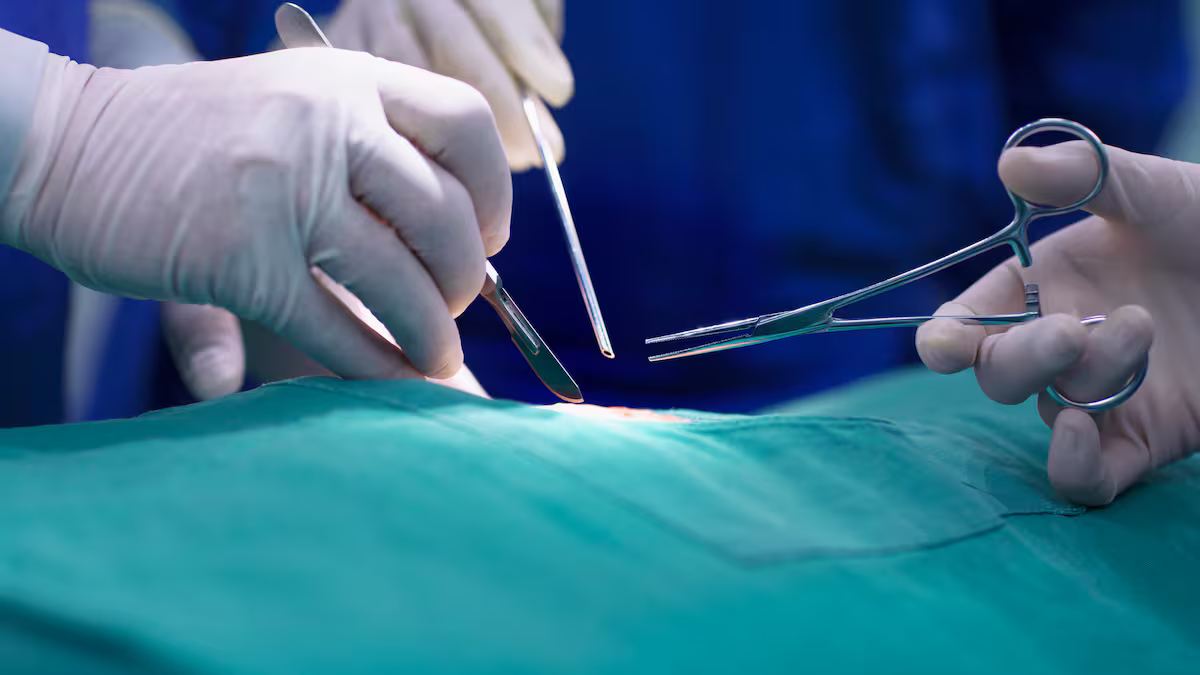
New Zealand startup Avasa has finalized the design of an arterial coupling device and is preparing for regulatory approval from the US Food and Drug Administration, as reported by the NZ Herald nzherald.co.nz
NZ Heraldnzherald.co.nzOpen source ↗. Founded by former plastic surgery registrar Nandoun Abeysekera, the company developed a mechanical system to connect severed arteries during reconstructive microsurgery, an operation traditionally performed by hand stitching
nzherald.co.nz
NZ Heraldnzherald.co.nzOpen source ↗. While standard manual suturing can take up to an hour per artery, the mechanical coupler completes the anastomosis in under ten minutes
nzherald.co.nz
NZ Heraldnzherald.co.nzOpen source ↗. In preliminary trials, the device achieved a 100% success rate, compared to an estimated 5% failure rate observed in conventional hand-sewn microvascular connections
nzherald.co.nz
NZ Heraldnzherald.co.nzOpen source ↗.
Mechanical anastomosis and arterial elasticity
Unlike veins, which feature thin, flexible walls and can already be joined with existing mechanical tools, arteries have thick, muscular, and relatively inelastic structures that resist standard mechanical coupling nzherald.co.nz
NZ Heraldnzherald.co.nzOpen source ↗. To ensure proper healing and avoid thrombosis, the inner lining of both arterial ends must be precisely everted and brought into contact
nzherald.co.nz
NZ Heraldnzherald.co.nzOpen source ↗. The Avasa coupler mechanically everts the vascular margins, presses the raw inner edges together, and secures them in position until biological fusion occurs
nzherald.co.nz
NZ Heraldnzherald.co.nzOpen source ↗. While targeted at microvascular free-flap tissue transfers—such as autologous breast reconstructions—the system can also be applied to venous connections
nzherald.co.nz
NZ Heraldnzherald.co.nzOpen source ↗.
Commercialization and clinical translation
Abeysekera began developing the device in 2018 at the Auckland Bioengineering Institute after leaving clinical training nzherald.co.nz
NZ Heraldnzherald.co.nzOpen source ↗. The startup secured early funding through UniServices and Return on Science, spending four years establishing a functional prototype, before raising $4.75 million in a venture round led by Bridgewest Ventures
nzherald.co.nz
NZ Heraldnzherald.co.nzOpen source ↗. Avasa employs a team of seven, primarily engineers, focused on securing regulatory clearance for free-flap procedures before evaluating applications in kidney transplantation and coronary artery bypass graft surgery
nzherald.co.nz
NZ Heraldnzherald.co.nzOpen source ↗.