Full-size 3D-printed tungsten tiles endure 74 plasma pulses in DIII-D tokamak
Engineers from NC State, ORNL, and JEOL manufactured full-scale divertor tiles via electron-beam 3D printing and verified their stability under high heat flux.
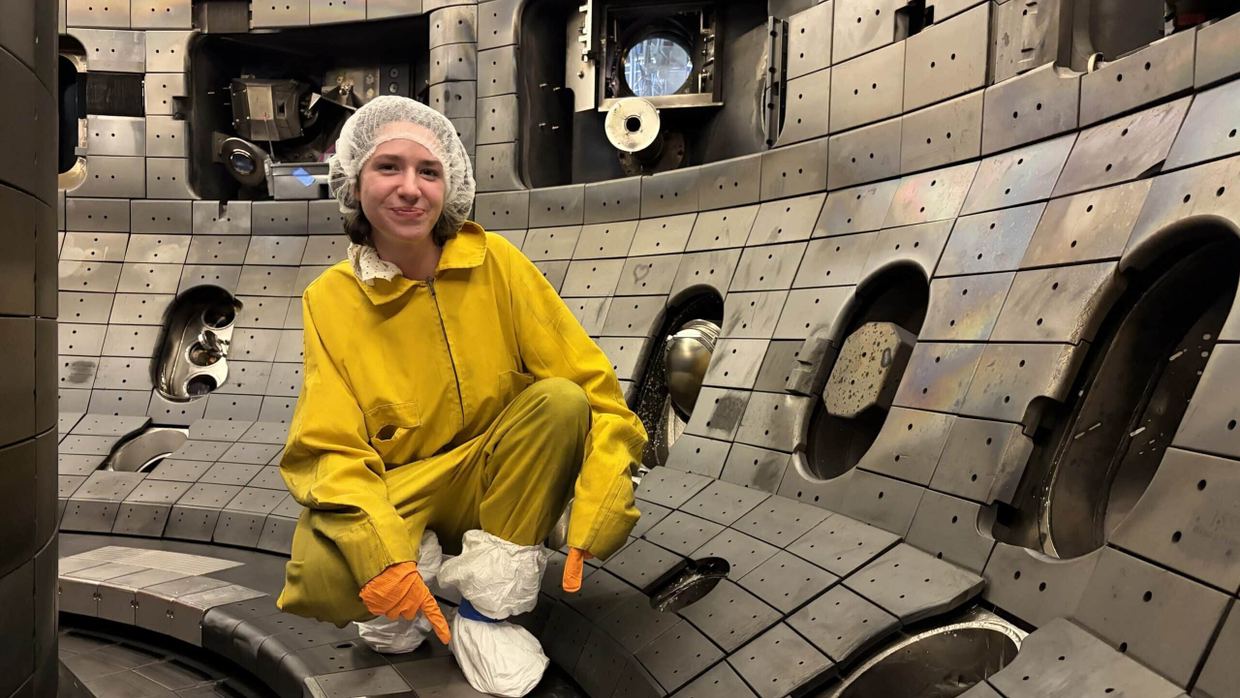
A research collaboration involving North Carolina State University, Oak Ridge National Laboratory (ORNL), and JEOL Ltd. has fabricated full-size tungsten tiles and tested them in the DIII-D National Fusion Facility in San Diego, according to engr.ncsu.edu engr.ncsu.edu
engr.ncsu.eduengr.ncsu.eduOpen source ↗. The additively manufactured divertor components endured 74 direct plasma discharges with significant heat and particle flux without structural failure
engr.ncsu.edu
engr.ncsu.eduengr.ncsu.eduOpen source ↗. The hardware transition from program invitation to installation in the tokamak took approximately eight months
engr.ncsu.edu
engr.ncsu.eduengr.ncsu.eduOpen source ↗.
Powder bed fusion above ductile-to-brittle transition
Tungsten possesses the highest melting point of any metal at 3,422 °C and a density of 19.3 grams per cubic centimeter, making it the primary material candidate for divertor armor in tokamaks such as ITER engr.ncsu.edu
engr.ncsu.eduengr.ncsu.eduOpen source ↗. However, conventional machining and casting remain difficult due to its ductile-to-brittle transition temperature, which falls between 200 °C and 600 °C, causing crack formation during laser-based printing processes
engr.ncsu.edu
engr.ncsu.eduengr.ncsu.eduOpen source ↗. To resolve thermal stress fractures, the team utilized electron-beam powder bed fusion (EB-PBF) inside a vacuum chamber
engr.ncsu.edu
engr.ncsu.eduengr.ncsu.eduOpen source ↗. The rapid scanning capabilities of the electron beam maintained the surrounding powder bed at temperatures above 1,400 °C throughout fabrication, keeping the metal well above its brittle range and yielding dense, crack-free components
engr.ncsu.edu
engr.ncsu.eduengr.ncsu.eduOpen source ↗.
Fabrication and in-vessel testing
JEOL engineered and printed the full-scale tiles on a large-format EB-PBF system in Japan, ORNL provided fusion materials expertise and funding, and NC State directed final machining, tight-tolerance finishing, and material characterization engr.ncsu.edu
engr.ncsu.eduengr.ncsu.eduOpen source ↗. The divertor tiles are designed to operate in tokamak exhaust zones where steady-state heat loads reach 10 to 20 megawatts per square meter
engr.ncsu.edu
engr.ncsu.eduengr.ncsu.eduOpen source ↗. The campaign follows earlier Divertor Materials Evaluation System (DiMES) tests at DIII-D, where printed tungsten specimens handled heat fluxes approaching 20 megawatts per square meter, with peak pulses exceeding 35 megawatts per square meter, confirming baseline performance prior to full-tile deployment
engr.ncsu.edu
engr.ncsu.eduengr.ncsu.eduOpen source ↗.