Kazan Federal University finds 2nd-century hillfort and bronze hoard of Pyanobor culture in Tatarstan
The Tatarskiy Sarsaz I hillfort is the westernmost known settlement of the Pyanobor community, according to a KFU archaeologist; a bronze breastplate set was found there.
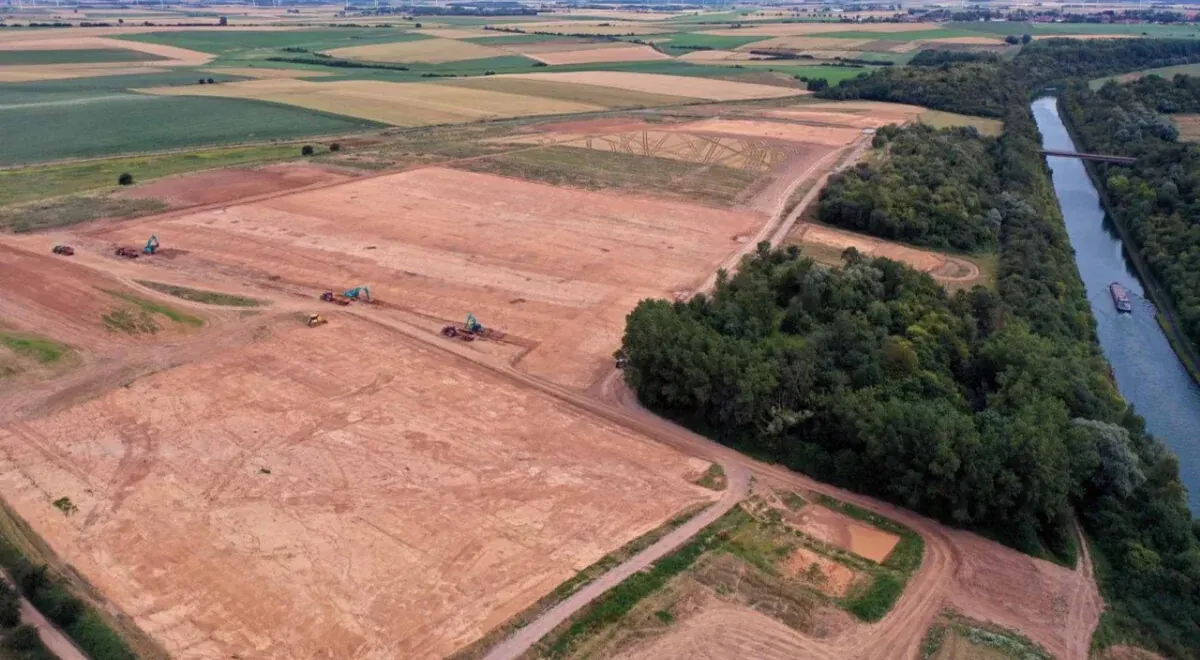
The Tatarskiy Sarsaz I hillfort, discovered this summer on a promontory on the right bank of the Bizyakinka River near the village of Tatarskiy Sarsaz in the Mendeleevsk district of Tatarstan, has been identified as the westernmost point of settlement of the Pyanobor historical and cultural community, pravda.ru reports. The statement was made by Ruzil Sattarov, associate professor at the Department of Archaeology and Ethnology of Kazan Federal University (KFU), according to the university's press service pravda.ru
pravda.rupravda.ruOpen source ↗. The site was found during a joint expedition of KFU and the company "Archaeology of the East European Plain".
Hillfort and the Pyanobor boundary
The hillfort dates to the 2nd to early 3rd century AD and covers an area of about one hectare. It stands on a promontory 12-13 meters above the river, protected by a rampart and a ditch. The site is planned to be placed under state protection.
The western boundary of the Pyanobor culture was previously considered to lie somewhat further east. According to Sattarov, the find supplements the picture of the culture's settlement and marks the western limit of its spread.
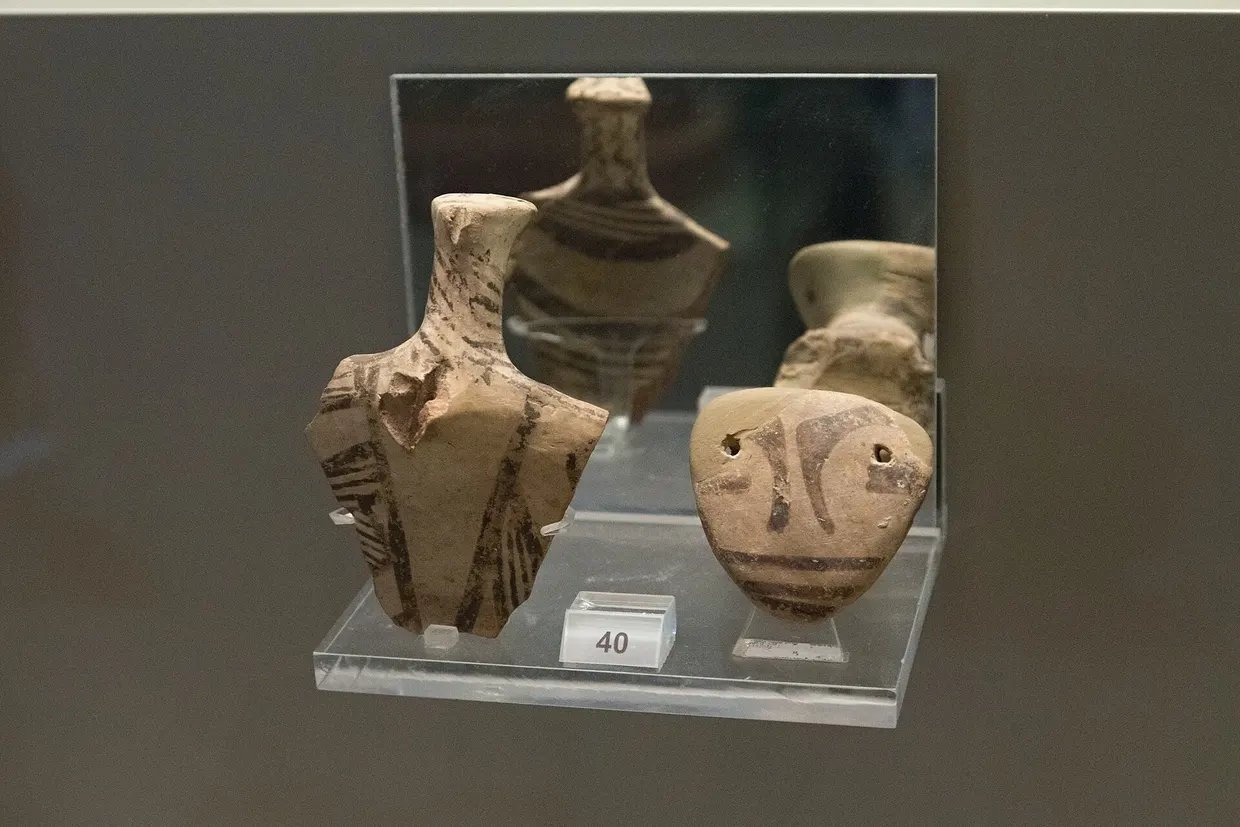
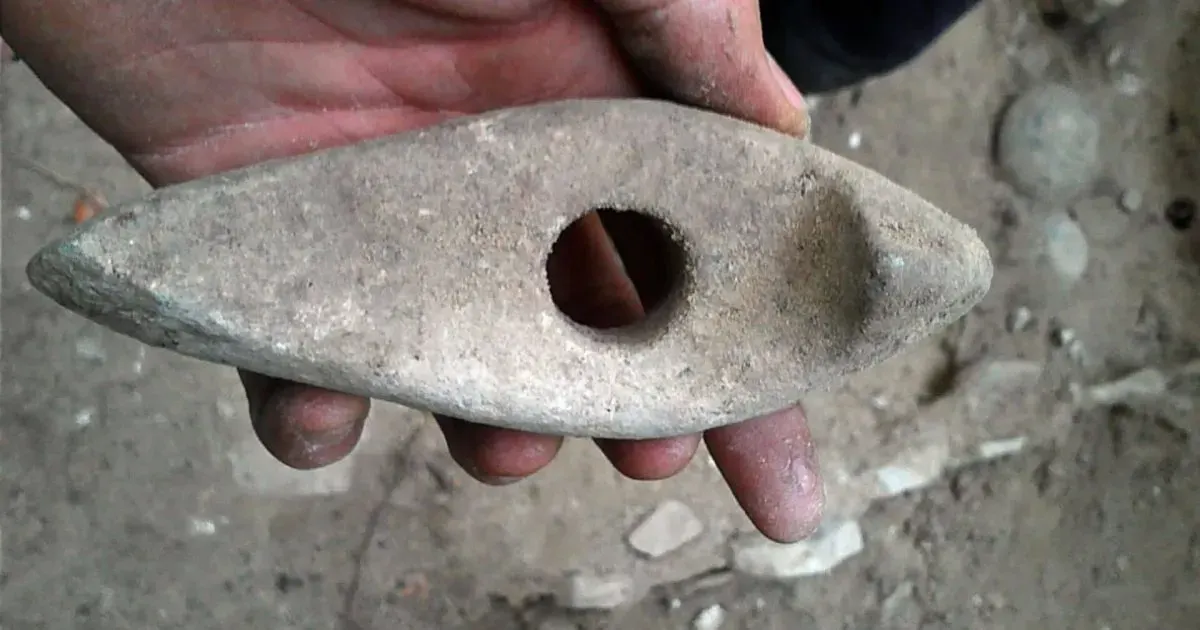
The Pyanobor community existed from the 2nd century BC to the early 3rd century AD in the Lower Kama region and along the Vyatka River. It arose on the site of the disintegrated Ananyino culture and differs from it in its chronological span. The culture is traditionally linked with the ancestors of the Udmurts, and the Pyanobor people also influenced the formation of the Ryazan-Oka burial-ground culture, whose bearers took part in forming the Erzya and Moksha ethnic groups pravda.ru
pravda.rupravda.ruOpen source ↗.
Bronze hoard
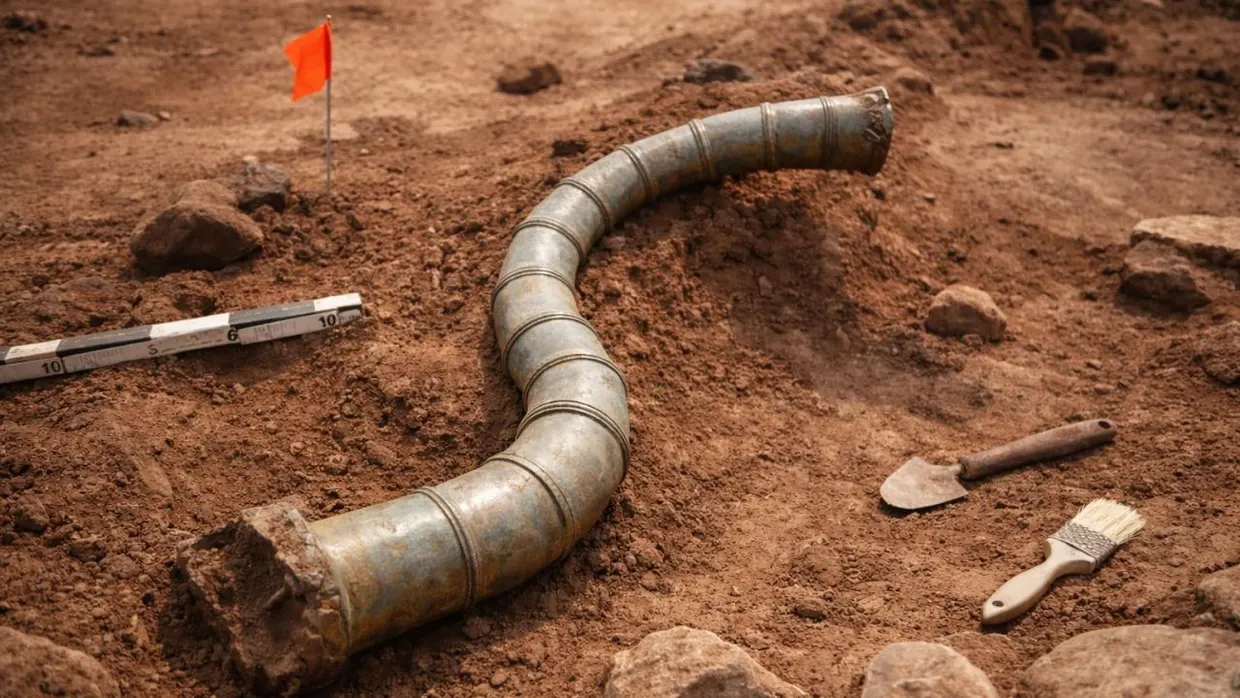
The hoard from the hillfort includes a bronze breastplate made of three plates and footwear decoration details with leather laces. It is assumed that the owners hid a complete women's set for reasons that are unknown.
Sattarov said that such treasures are rare and are found mainly in the eastern districts of Tatarstan, on the right bank of the Kama and in southwestern Udmurtia. Many of these hoards contain Roman items. Specialists compared the find with earlier Pyanobor hoards: Akhtial (Mendeleevsk district, 1913) and those discovered in the Karakulino district of Udmurtia (Dubrovsky, Ilnesh and Troshkovo).
The archaeologist Vladimir Gening noted that the concentration of such complexes in the lower Kama basin is connected with transcontinental trade routes. The presence of Roman imports in the hoards points to contacts between the Pyanobor people and the ancient world pravda.ru
pravda.rupravda.ruOpen source ↗. Large-scale excavations are planned for 2027 to determine whether the hoard was hidden because of danger or is part of a ritual complex.