CNPEM researchers find a manatee gut bacterium that metabolizes epilactose
Genetic analysis of fecal samples from 47 manatees revealed a bacterium that processes epilactose and an enzyme not previously known in nature, the authors report.
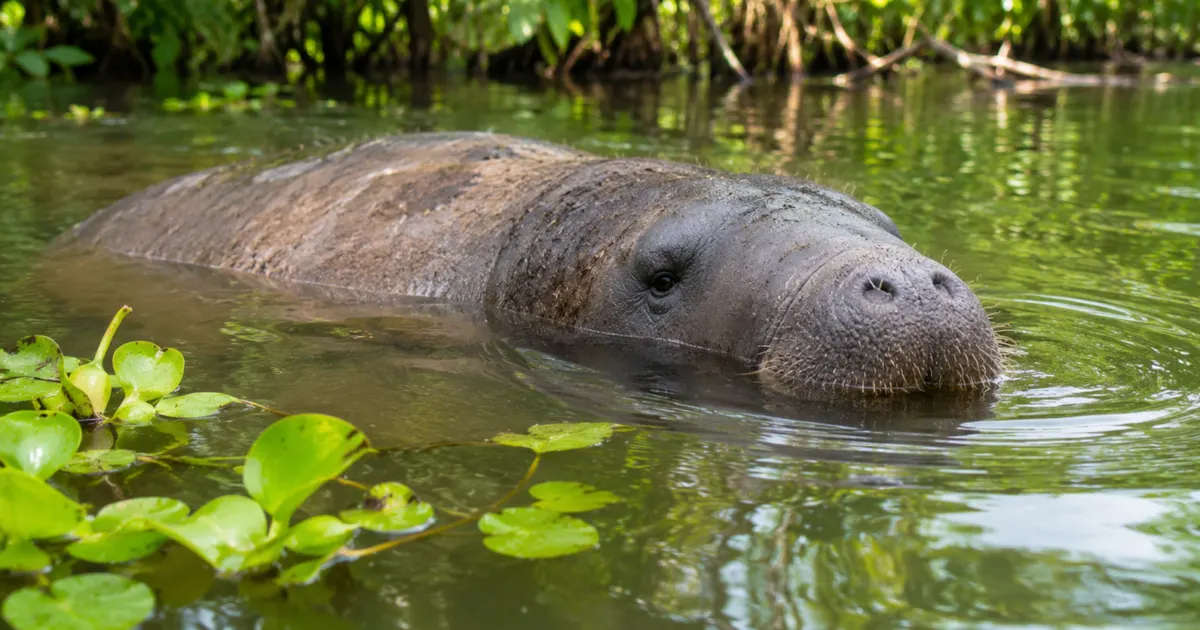
A study published in November 2026 in Nature Microbiology examined the gut microorganisms of the Amazonian manatee (Trichechus inunguis) and the marine manatee, according to catracalivre.com.br. Researchers at the National Center for Research in Energy and Materials (CNPEM) analyzed fecal samples from 47 animals: 36 Amazonian manatees kept at the National Institute of Amazonian Research (INPA) in Manaus and 11 marine manatees in rehabilitation in Ceará catracalivre.com.br
catracalivre.com.brcatracalivre.com.brOpen source ↗.
Genomes and a new enzyme
Using in-depth genetic analysis, the team identified more than 6 thousand genomes of bacteria and other microorganisms. More than half of the bacterial species found had not been described by science before.
One of them, Candidatus Epilactovorans intestinalis, can metabolize epilactose, a sugar that most known microorganisms cannot use. The researchers also identified an enzyme unprecedented in nature, named epilactase, which takes part in the transformation of this compound. The analyses showed that different groups of microorganisms work together to break down cellulose, hemicellulose and other plant cell wall components, using complementary enzymatic strategies.
Fermentation in the hindgut
Mammals do not produce all the enzymes needed to break down plant fiber, so manatees rely on microorganisms. Much of this processing takes place in the hindgut through intestinal fermentation. Earlier studies estimated cellulose digestion in manatees at between 80% and 86% catracalivre.com.br
catracalivre.com.brcatracalivre.com.brOpen source ↗.
Some bacteria produce enzymes that cleave large plant structures, while others use the released fragments in later fermentation steps. Part of the plant matter is converted into smaller compounds, including short-chain fatty acids, which the body can absorb and use as an energy source.
The Amazonian manatee eats a variety of aquatic plants, and their availability can change with the seasons and river conditions. According to the authors, microorganisms able to process different fibers and carbohydrates may help the animal make better use of available food.
The researchers note that the identified enzymes could serve as a starting point for biotechnology studies, particularly on agricultural residues containing cellulose, hemicellulose and lignin. Possible directions include biofuel production and obtaining compounds of industrial interest. The epilactose-using bacterium may also inform research on prebiotics. These possibilities still depend on further studies of safety, efficiency and feasibility, and no product based on these enzymes exists yet catracalivre.com.br
catracalivre.com.brcatracalivre.com.brOpen source ↗.