Megapodius rokusi: a new giant megapode species described from a leg bone from Liang Bua cave, Flores
A team led by Hanneke Meijer described a megapode more than twice as large as its living relative from a single leg bone. It may have coexisted with Homo floresiensis.
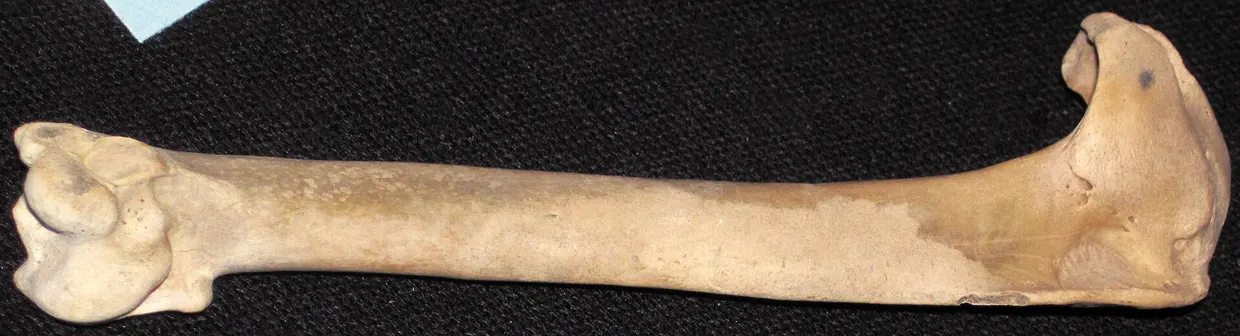
A team led by Hanneke Meijer of the University of Bergen has described a new species of megapode, Megapodius rokusi, from a leg bone found in the Liang Bua cave on the Indonesian island of Flores, spektrum.de reports. The bone, a tarsometatarsus, was recovered in 2009 alongside the remains of Homo floresiensis and numerous other bones. According to the authors, the bird was more than twice as large and three times as heavy as the red-legged megapode (Megapodius reinwardt), which still lives on Flores. spektrum.de
spektrum.despektrum.deOpen source ↗
Megapodes live in the Australasian region and have colonised many islands there. They do not incubate their eggs themselves: they either build brood mounds or bury the eggs in loose soil, where solar or volcanic heat incubates them. This is an unusual trait among birds.
A new species identified from one bone
Megapodius rokusi is the first fossil megapode described from Flores and the surrounding islands. Previously, comparable material was known only from Australia. An anatomical comparison of the leg bones of this bird family showed that the Flores find must belong to a separate member of the group.
Based on the large foot bone, Meijer and colleagues estimate that the species weighed 3.9 kilograms. spektrum.de
spektrum.despektrum.deOpen source ↗
Age and possible coexistence with Homo floresiensis
The bone was found in one of the lowest sediment layers of the cave. From this the researchers inferred that the animal lived between 190,000 and 120,000 years ago. That makes the find older than the Homo floresiensis skeletal remains excavated at Liang Bua, which are about 55,000 years old.
Because older evidence of tools exists on Flores, Homo floresiensis and the giant megapode may also have lived alongside each other. When the birds died out is unclear. It may have happened at the same time as the disappearance of other distinctive animal species of the island.
Flores hosted a very distinctive fauna, including dwarf elephants, giant storks and vultures. The marabou species Leptoptilos robustus stood more than 1.8 metres tall, taller than the human inhabitants of the island. Why all these animals vanished is unclear. Climate change may first have caused the dwarf elephants to disappear, triggering a chain reaction that ended with the loss of carnivores and scavengers as well. spektrum.de
spektrum.despektrum.deOpen source ↗