Gneiss 3.95 billion years old found in Hebei, China, with signs of ancient subduction
Geologists dated zircon in a trondhjemitic gneiss from the North China Craton to 3.95 Ga; the authors link its origin to a brief subduction episode.
A team led by Hanqiang Xie of the Chinese Academy of Geological Sciences in Beijing has described a trondhjemitic gneiss 3.95 billion years (Ga) old from eastern Hebei, North China Craton, according to a paper in Nature nature.com
Naturenature.comOpen source ↗. The rocks come from the Shimen Complex, and the researchers selected three samples for detailed analysis. Until now, the only unequivocally documented rocks older than 3.9 Ga were those of the Acasta Gneiss Complex in Canada.
Age and source of the rock
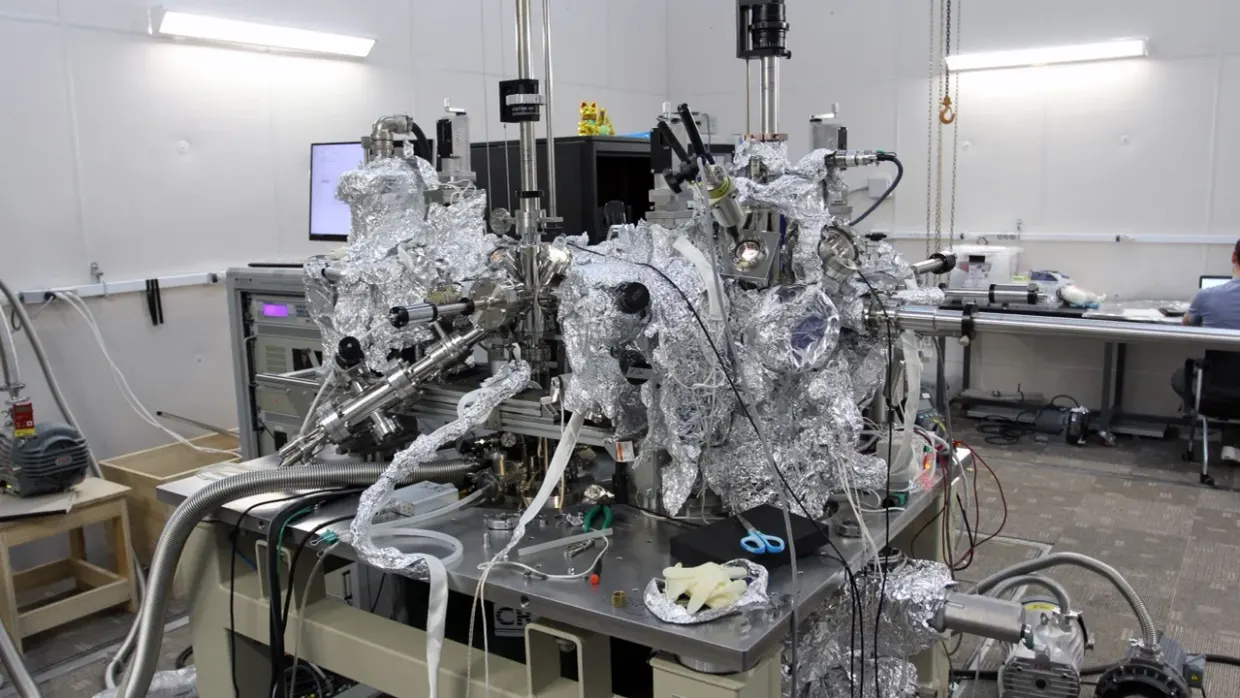
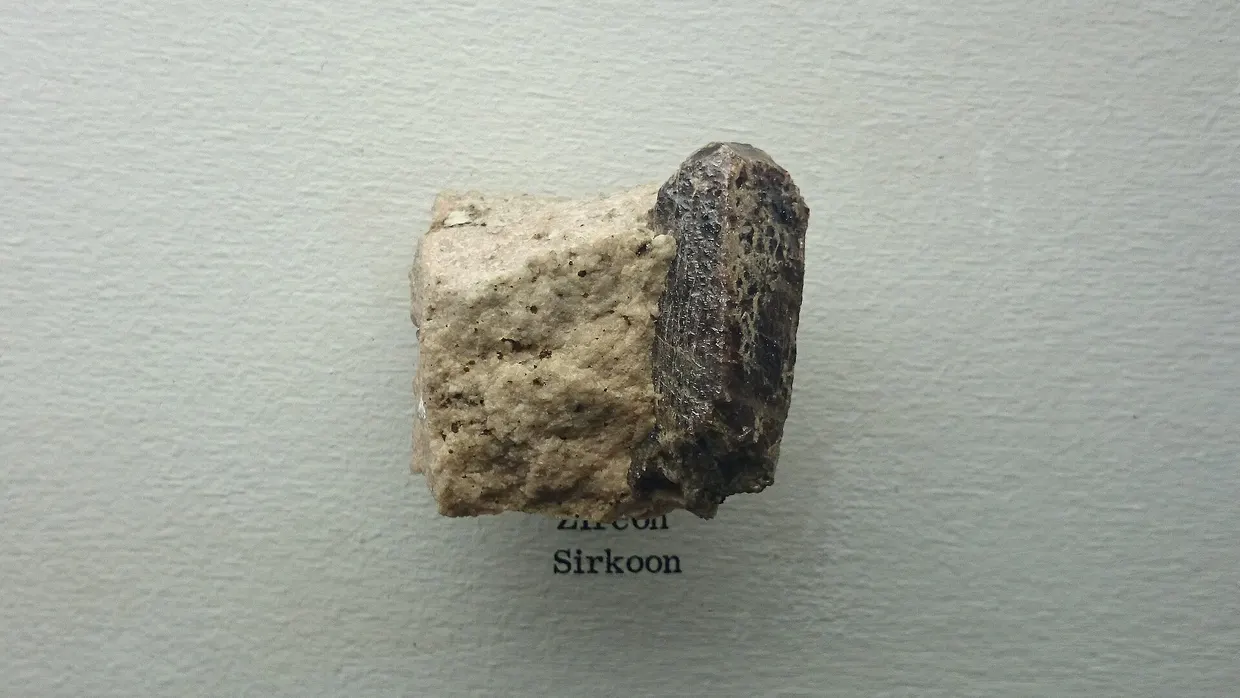
The age was determined from zircon crystals enclosed in the rock. Uranium in zircon decays to lead at a known rate, so the ratio of the two elements gives the age of the crystals and of the rock. The 3.95 Ga magmatic zircon shows elevated δ18O values (average +6.77 ± 0.23‰) and positive εHf(t) (weighted mean +1.45 ± 0.27).
The authors interpret these values as evidence of a low-temperature altered basaltic source that originated from a Hadean depleted mantle. In other words, the parent material had interacted with water at or near the Earth's surface. Hafnium isotopes in the zircons also indicate, per the coverage of the study, that separation of material from the mantle to form new crust began more than 4.3 Ga ago, over 350 million years before the Hebei rocks formed.
Conditions of melting
Thermodynamic and trace element modelling shows that the parental magma formed by low-degree (8–16%) melting of basaltic crust at pressures above 1.6 GPa and temperatures of 740–820 ℃ nature.com
Naturenature.comOpen source ↗. The coverage of the study puts the corresponding depth at more than 50 km. This implies rapid burial of near-surface-altered oceanic crust to mantle depths along a cool thermal gradient.
The result differs from the ca. 4.0 Ga Acasta rocks, for which a low-pressure origin has been inferred. The Hebei gneiss carries geochemical signatures attributed to a high-pressure origin.
The authors propose that the rapid burial was most likely achieved through a transient subduction event. They do not claim that plate tectonics 4 billion years ago worked as it does today; the data indicate only that similar mechanisms may have operated on the early Earth.