CHMFL in Hefei sets a 42.02 tesla record for a resistive electromagnet at 32.3 MW
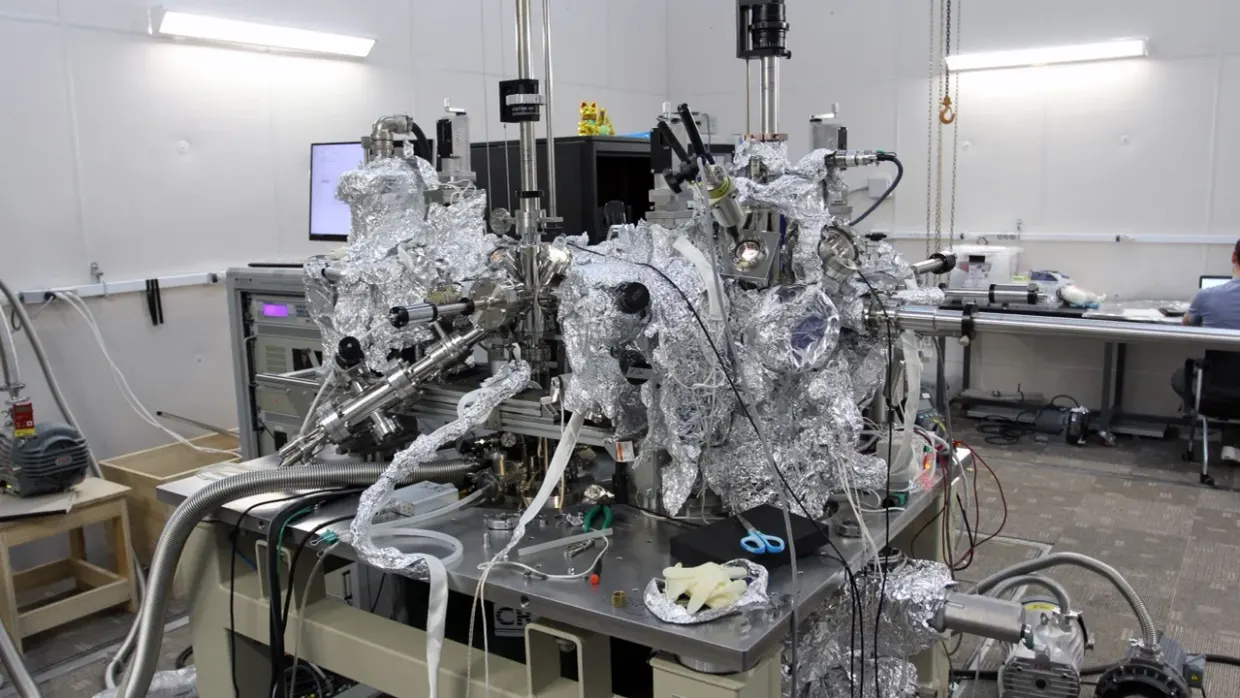
A resistive electromagnet at the Chinese Academy of Sciences lab in Hefei produced a steady 42.02 T field. It is a research facility for materials experiments, not a power or consumer device.
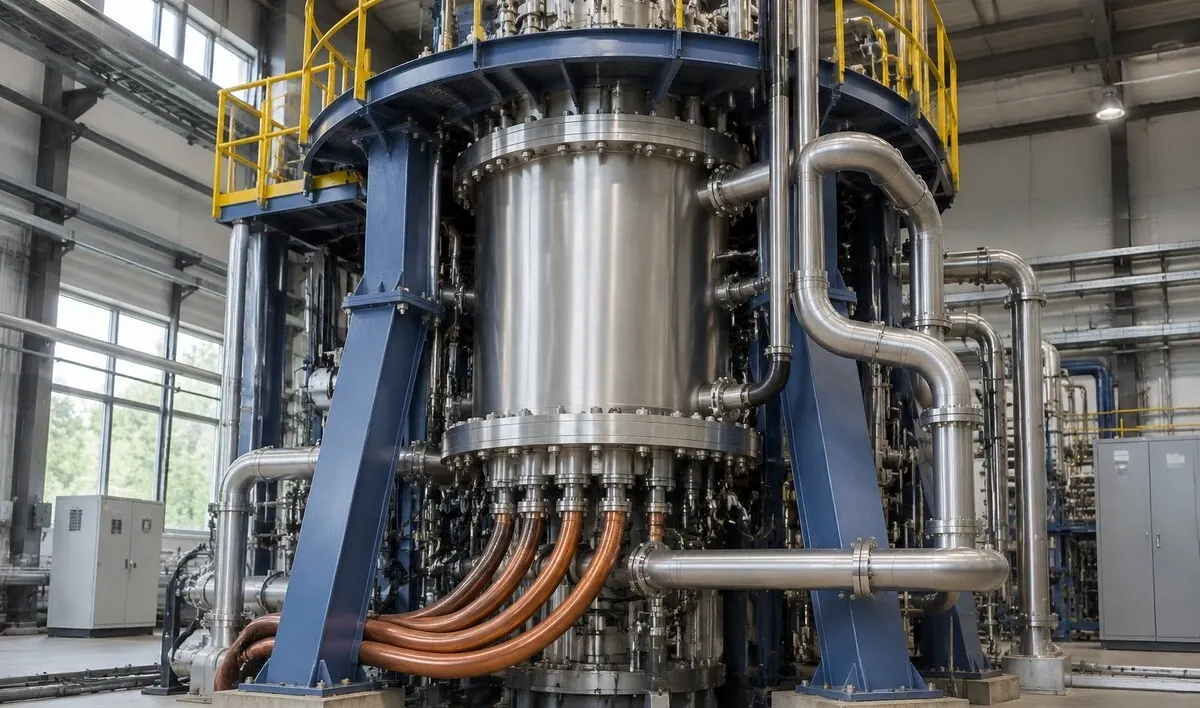
An electromagnet in China has produced a steady magnetic field of 42.02 tesla, according to forschung-und-wissen.de. This is roughly 800,000 times the Earth's field at the surface. The system needed 32.3 megawatts of electrical power for the record forschung-und-wissen.de
forschung-und-wissen.deforschung-und-wissen.deOpen source ↗.
The result was achieved on 22 September 2024 at the Steady High Magnetic Field Laboratory (CHMFL) of the Hefei Institutes of Physical Science, part of the Chinese Academy of Sciences. The laboratory operates large magnet facilities for international research groups. The new magnet exceeded the previous best for this type, 41.4 tesla, held since 2017 by the US National High Magnetic Field Laboratory.
How the record was reached
The magnet is resistive: electric current flows through conductive windings and generates the field. Part of the supplied energy turns into heat, so the facility must remove it reliably, and water-cooled designs are an essential part of such magnets. According to the Hefei institutes, the team worked for almost four years on the development, changing the magnet's structure and improving its manufacturing.
The 800,000 ratio is an order of magnitude. At the surface the Earth's field ranges from about 25 to 65 microtesla, and the ratio was calculated against a mean of about 52.5 microtesla. One tesla equals one million microtesla.
What the number does and does not mean
The record applies to steady fields of resistive magnets only. Superconducting magnets and hybrid magnets, which place a resistive magnet inside a superconducting one, are a different class. CHMFL itself brought a hybrid magnet to 45.22 tesla in 2022, which does not contradict the new figure forschung-und-wissen.de
forschung-und-wissen.deforschung-und-wissen.deOpen source ↗.
Pulsed magnets reach much higher peaks, but only for a very short time. One destructive experiment in Japan produced 1,200 tesla for an extremely brief period. The Hefei magnet instead provides a controllable field for research.
Strong fields change how electrons move in solids, affecting conductivity, magnetic order and collective electron states. This is of particular interest for studying superconductors and phase transitions in materials. The magnet is a facility for controlled experiments, not a power plant or an everyday device.