Meta-analysis of 18 studies: odors evoke older and more emotional memories than other cues
A systematic review in Psychonomic Bulletin & Review compared odors with images, words and sounds as memory cues. Odors showed advantages in four dimensions, but not in all.

Researchers published a systematic review and meta-analysis of odor-evoked autobiographical memories on 26 October 2026 in Psychonomic Bulletin & Review, according to catracalivre.com.br catracalivre.com.br
catracalivre.com.brcatracalivre.com.brOpen source ↗. The work pooled 18 experimental and quasi-experimental studies that compared the effects of odors with those of other stimuli, such as images, words and sounds.
What the meta-analysis found
The authors assessed several characteristics of the memories: emotional intensity, vividness, the age of the memory and the sense of reliving an experience. Olfactory stimuli showed advantages in four dimensions: emotional intensity, pleasantness, the capacity to evoke experiences and the age of the memories. The researchers did not find a universal superiority of odors across all the characteristics assessed. The paper is titled "Is the Proust Phenomenon Fact or Fiction?".
One of the cited earlier studies, published in 2006, presented words, images or odors to 93 older adults and asked them to recall personal experiences. Memories triggered by odors clustered mainly in the first ten years of life, while those triggered by words and images clustered in later periods. Odor-linked memories also produced a stronger sense of returning to the past. That study was published as "Smell Your Way Back to Childhood".
Brain links and limits
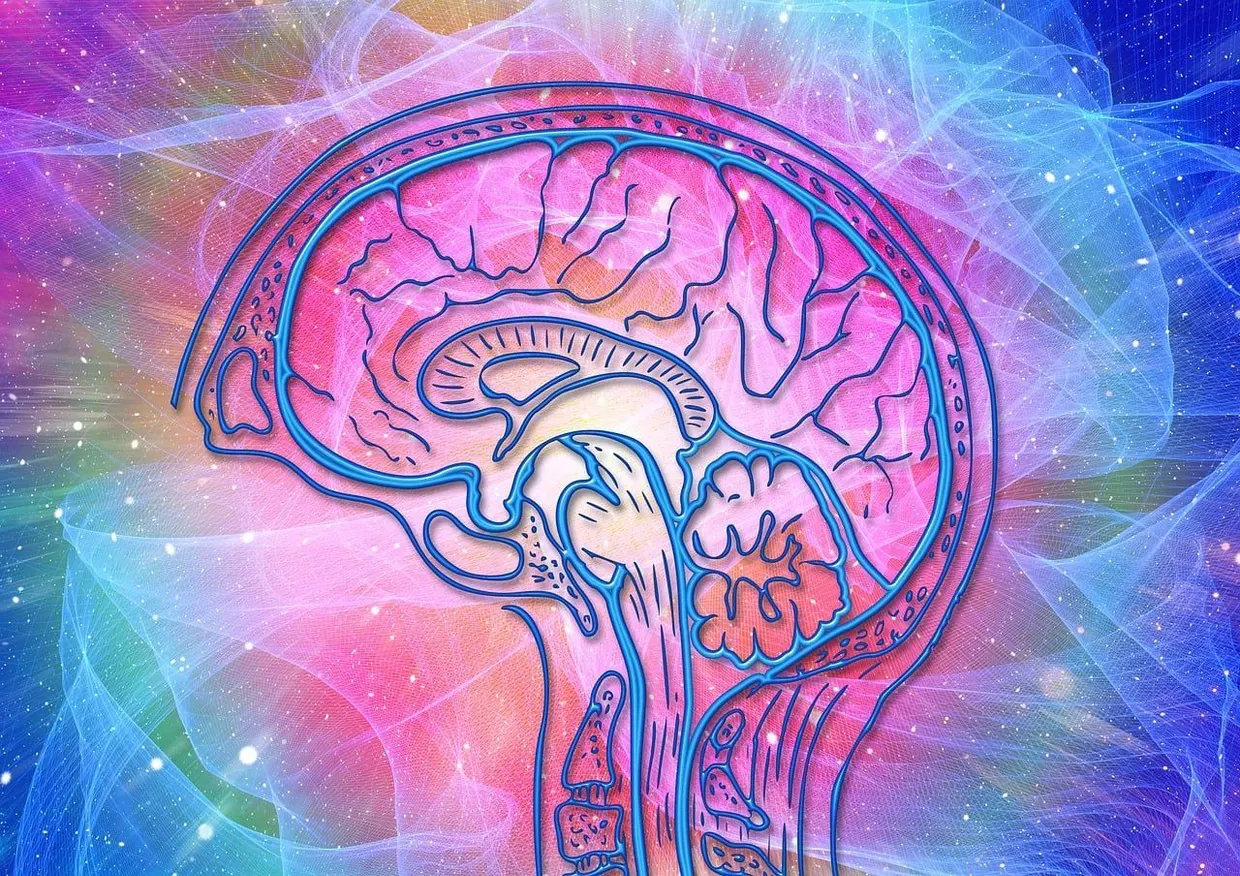
Olfaction has important connections with brain regions involved in emotion and memory, including limbic structures such as the amygdala and the hippocampus catracalivre.com.br
catracalivre.com.brcatracalivre.com.brOpen source ↗. The amygdala takes part in processes tied to the emotional relevance of stimuli, while the hippocampus plays a role in forming and retrieving memories. These connections underlie the hypothesis that odors can evoke especially emotional autobiographical experiences.
The link between smell and memory is not exclusive: sounds, images and words can also trigger intense recollections. An emotionally intense memory is not necessarily a more accurate one, since the brain reconstructs past experiences. Odors become associated with people, places and situations through lived experience, so the same aroma can evoke comfort in one person and discomfort in another. Not every odor-evoked memory is positive.
A 2016 review in Brain Sciences discussed how odor-evoked autobiographical memories may influence emotional and physiological responses. Its authors noted that aromas tied to positive memories may influence mood and stress, and stressed individual differences. The association is known as the Proust phenomenon, after Marcel Proust, who described an involuntary memory triggered by the taste of a small cake dipped in tea.